































































S&P 500 Enters Correction as Seven-Day Rout Wipes Out the Nasdaq's 2026 Gains
The S&P 500 has fallen 11.6% from its October record and entered a correction after seven straight losing sessions, as doubts over AI spending, a Federal Reserve rate-hike scare and a sharp slide in Nvidia dragged Wall Street to its worst week in over a year.

S&P 500 Enters Correction as Seven-Day Rout Wipes Out the Nasdaq's 2026 Gains
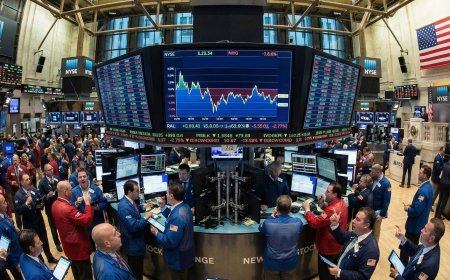
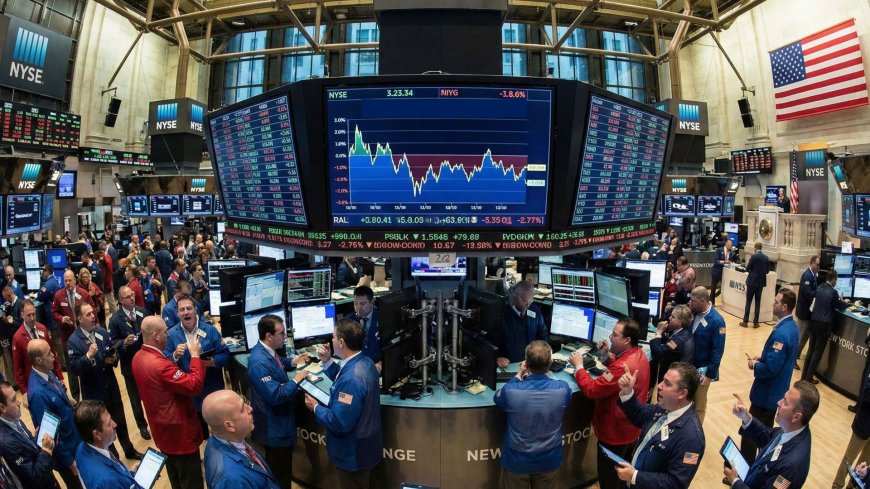
Wall Street's selloff deepened on Friday, November 20, pushing the S&P 500 into a correction and wiping out the Nasdaq's gains for the year, as investors questioned the artificial intelligence boom that has carried the market for four years and braced for the Federal Reserve to raise interest rates again.
The S&P 500 fell 3.7 percent, or 265 points, to close at 6,910.39. The drop left the benchmark index 11.6 percent below its all-time high from October 6, crossing the 10 percent threshold that defines a correction for the first time since March 2025, when trade tensions rattled markets. It was the index's seventh consecutive losing session, its longest daily streak of declines since the onset of the coronavirus pandemic in 2020, and it capped the market's biggest weekly drop in over a year.
The Nasdaq Composite fared worse, plunging 5.28 percent, or 1,261 points, to 22,617.73. The fall erased every gain the tech-heavy index had made in 2026, leaving it down 2.7 percent for the year. The Dow Jones Industrial Average dropped 1.93 percent, or 950 points, to 48,147.33, about 11.4 percent below its August record, putting it in correction territory as well. For the week, the S&P 500 lost 8.6 percent, the Dow 8 percent and the Nasdaq 10 percent.
A brutal Friday caps the worst week in over a year
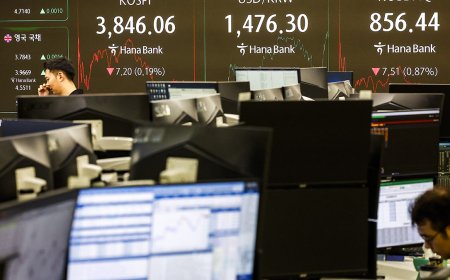
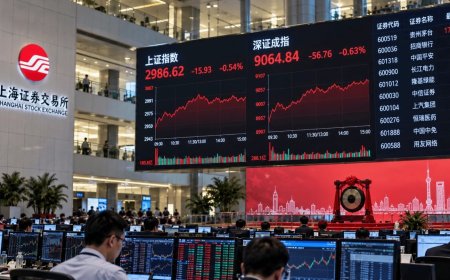
The selling was not confined to the United States. MSCI's world index of stocks fell for a seventh straight session on Friday, its longest losing streak since 2023, according to Reuters. Even Anthropic's blockbuster stock market debut, which many had hoped would steady the mood, could not hold back the selling on its second day of trading.
Friday's rout was the sharp end of a six-week slide. The market's heavyweight technology shares, the engine of the four-year bull run, have led the way down as investors reassess how much of the rally was built on spending that may never pay off. Just a week earlier, the market had closed the week of November 13 lower too, but Friday's session was on a different scale. The previous Friday's close already showed the strain; this time the S&P 500 and the Dow both crossed into correction territory on the same day.
Why investors are selling
Three worries converged on Friday. The first is the AI trade itself. Investors are increasingly questioning whether the enormous sums companies are pouring into data centres will ever generate matching returns. That spending has driven both corporate profits and economic growth, so doubts about it cut to the heart of the rally.
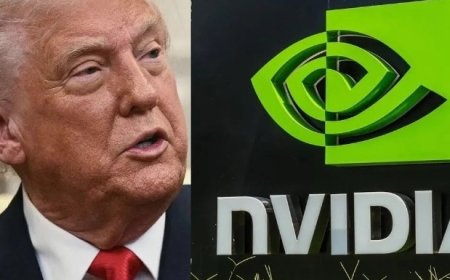
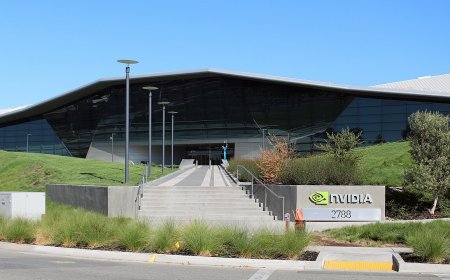
The second was Nvidia, the company at the centre of the AI boom. Its shares plunged 14 percent on Friday to $125.53 after Reuters reported that enforcement staff at the Securities and Exchange Commission are examining potential accounting issues at the chipmaker. The SEC declined to comment and the issues under examination were not identified, but the report roughly doubled Nvidia's losses on the day. Broadcom fell 12.19 percent on a reported cut to Google's orders for the TPU chips Broadcom designs. Micron and AMD each lost 12 to 14 percent as the chip complex sold off together.
The third worry is interest rates. A hotter-than-expected October inflation report and comments from Federal Reserve Governor Lisa Cook have traders betting the Fed will raise rates at its December meeting, and possibly keep tightening after that. The prospect of the central bank raising borrowing costs into a slowing economy has added to the anxiety around risk assets.
Signs investors are watching for a bottom
For investors conditioned to buy every dip of the four-year bull market, the selloff has reset valuations to more attractive levels and pushed sentiment measures toward levels that have historically signalled buying opportunities. But few are willing to call an end to the declines after such a furious bout of selling.
"Sentiment is very fragile at the moment," said Angelo Kourkafas, senior global investment strategist at Edward Jones. "But ... there is a point where the drawdown is big enough to attract some buyers."
Strategists are watching market internals for confirmation. Michael Arone, chief investment strategist at State Street Investment Management, is tracking how far individual S&P 500 stocks have fallen from their 52-week highs and how closely they are moving together, measures he said were moving closer to oversold levels but had not yet reached extremes. Bruce Zaro, managing director at Granite Wealth Management, said one indicator, comparing New York Stock Exchange stocks at 52-week highs with those at lows, was already signalling a bottom, while a second, the share of stocks above their 50-day moving averages, was close but had not yet signalled a full washout.
"We are getting close to a great dip-buying point," Zaro said.
The Cboe Volatility Index, Wall Street's fear gauge, is also in focus. The VIX closed on Friday at 35.89, its highest level since the tariff turmoil of April 2025. When the index has closed above 30 for the first time in a cycle, the S&P 500 has posted an average total return of 8.1 percent six months later, according to Kourkafas. Michael Reynolds, vice president of investment strategy at Glenmede, said the VIX was nearing the 40 level that could indicate "peak fear."
Not everyone is convinced the worst is near. "There are many valuations that are still excessive.... This seems like a real correction which has further to go," said Tim Ghriskey, senior portfolio strategist at Ingalls & Snyder.
What comes next
Markets reopen on Monday, November 23, for a short Thanksgiving week: the New York Stock Exchange is closed on Thursday, November 26, and closes early, at 1 p.m. ET, on Friday, November 27. Trading volumes are expected to thin out as the holiday approaches, which can make moves sharper in either direction.
The Federal Reserve's next rate-setting meeting on December 8-9 looms as the next pivotal moment. The central bank is widely projected to raise rates by a standard quarter percentage point, but any signals about how many more hikes are expected this cycle will be crucial for stocks.
"Market participants are afraid that the Fed is tightening into an economic slowdown when both earnings and AI investment have peaked," Arone said. "Maybe a dovish hike would begin to soothe market fears."
Developments around AI spending will matter just as much. With earnings season largely over, results from memory-chip maker Micron Technology on December 17 could have broad implications for the sector. Until then, investors will be watching whether the buyers who have stepped in at every dip for four years are finally ready to return, or whether the correction has further to run.
Sources
- Reuters — "Correction or deeper reckoning? Investors seek signs US stock selling will abate" (November 22, 2026)
- The Economic Times — "US stocks enter correction territory as investors search for market bottom" (Reuters syndication)
- Nacionale — "S&P 500 down 3.7%, Dow in correction: why stocks fell" (closing figures cross-check)
What's Your Reaction?
 Like
0
 Dislike
0
 Love
0
 Funny
0
 Angry
0
 Sad
0
 Wow
0