
































































Intel's Desktop Comeback: 70.1% Share in Q3 2026 Ends AMD's Record Run
Intel took 70.1% of x86 desktop CPU shipments in the third quarter of 2026, up five points from the previous quarter, pushing AMD below 30% for the first time in years, according to Mercury Research. The comeback came as Intel shifted factory capacity toward desktop chips while laptop demand cooled — even as the wider PC market shrank.
Intel's Desktop Comeback: 70.1% Share in Q3 2026 Ends AMD's Record Run
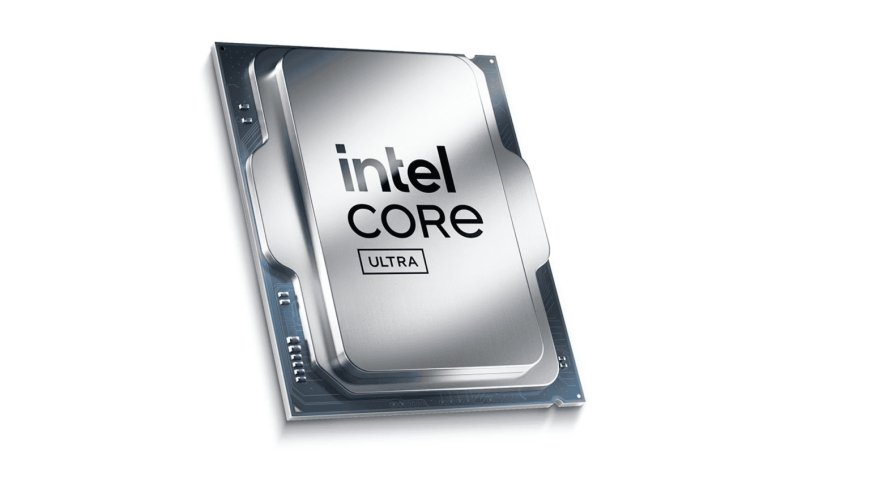
Intel has staged an unexpected comeback in the desktop processor market. New figures from Mercury Research show the chipmaker took 70.1% of x86 desktop CPU shipments in the third quarter of 2026, up from 65.1% in the previous quarter, while AMD slid to 29.9% from a record 34.9%. It is the first time in years that AMD has fallen below the 30% mark on the desktop.
The five-point swing in a single quarter ends a long run of desktop gains for AMD, which had climbed steadily from 32.2% a year earlier to its record in the second quarter. A year ago, Intel held 66.4% of desktop shipments and AMD 33.6%.
A five-point swing in one quarter
Desktop CPU market share does not usually move five points in three months, but Mercury Research says it did between July and September. The figures count processor shipments — chips sold to PC makers, system builders and retailers — rather than retail sales or the number of CPUs installed in working PCs, so they track what the chipmakers shipped, not what consumers bought.
Mercury's working theory is that Intel shifted spare manufacturing capacity toward desktop chips as demand for laptop processors cooled. The research firm itself cautions that it cannot pin down the cause with certainty, and neither Intel nor AMD has commented on the desktop numbers.
"It's difficult to know the driver of this for sure, but we speculate that due to the lower mobile CPU demand, Intel could allocate more products to the desktop market, which normally sees a significant demand increase in the third quarter, and Intel had been under-supplying this market earlier in 2026," Mercury Research president Dean McCarron said.
The wider PC market shrank
Intel won a bigger slice of a market that was getting smaller. Mercury Research said the third-quarter PC CPU market declined more than expected, driven by a downturn in mobile CPUs — the same segment that had overperformed in the previous quarter. Both Intel and AMD told investors there was a rapid softening in PC demand late in the third quarter, and Mercury expects client CPU shipments to fall by more than 20% in the fourth quarter.
That context matters, because the share gain does not necessarily mean Intel shipped many more desktop chips than before. Intel is already facing a shareholder lawsuit over a PC slowdown it is accused of hiding, and the companies' own filings tell a mixed story: Intel's client shipments fell 14% year over year in the quarter, while AMD's rose 6%.
There is another wrinkle in AMD's numbers. Mercury notes that AMD did not see its usual seasonal desktop increase, and suggests the reason may be the company's heavy exposure to PC gaming. Supply constraints on gaming graphics cards weighed on the whole gaming PC market, including the processors that go into those machines.
AMD keeps winning in servers
While Intel recovered on the desktop, AMD kept taking ground where the money is biggest. In servers, AMD added another percentage point in the quarter to reach a 35.5% share, a 7.7-point gain from a year earlier. Intel's server share slipped to 64.5%, down from 65.5% in the second quarter and 72.2% a year ago.
The server segment shipped 20% more units than a year earlier, its strongest on-year growth in nearly five years, driven by demand for data-centre processors and small departmental AI servers. AMD's rise in the data centre helped propel the company to a record third quarter — AMD reported revenue of $13.4 billion, up 45% from a year earlier — and Hot Hardware notes AMD is on pace to top Intel's revenue for the first time.
Intel, for its part, is hardly standing still in the data centre. Its Data Center and AI division brought in $7.3 billion in the quarter, up 78% year over year, its best result in 15 years, and Intel's overall revenue rose 21% to $16.5 billion.
Arm's quiet climb
One more number worth watching: Arm-based chips reached a record 15.3% of the PC client CPU market in the quarter, according to Mercury Research estimates. The firm notes that Arm estimates are difficult because there is no centralised reporting of Arm-based server or client CPU revenue, but the direction of travel is clear — the x86 duopoly is no longer the whole story in personal computing.
What to watch next
Intel's overall x86 share edged up 0.2 points from the second quarter to 66.1%, its first overall gain since 2025, though it remains three points below the 69.1% it held a year earlier. Whether the desktop comeback lasts will depend on the fourth quarter, when Mercury expects client CPU shipments to fall sharply. If laptop demand stays weak and Intel keeps steering capacity to desktops, the lead could hold. If AMD's gaming supply constraints ease and its data-centre momentum spills back into desktops, the record run could resume.
Sources
What's Your Reaction?
 Like
0
 Dislike
0
 Love
0
 Funny
0
 Angry
0
 Sad
0
 Wow
0