

























































SpaceX-Tesla Terafab targets volume chip production in third quarter of 2028
Elon Musk said the SpaceX-Tesla Terafab project aims for volume chip production in the third quarter of 2028, while warning that the timeline is highly aggressive.

SpaceX-Tesla Terafab targets volume chip production in third quarter of 2028
The Terafab chip-manufacturing joint venture between SpaceX and Tesla aims to reach volume production in the third quarter of 2028, Elon Musk said on a SpaceX conference call. He cautioned that the date carried “big error bars” and described the schedule as very aggressive.
The project is intended to produce one terawatt a year of computing power for AI and robotics. Musk said the Austin research facility could have a first test chip using SRAM circuits around May or June 2027.
Terafab is planned to combine advanced manufacturing, packaging and testing for logic and memory chips. Reuters reported that acquiring equipment from suppliers such as ASML, Applied Materials and KLA is one challenge. Musk did not directly answer whether EUV machines had already been ordered.
Intel has said it would join the project, while SpaceX has also discussed possible cooperation with TSMC. Reuters reported that SpaceX later said it was committed to running the facility itself.
The proposed Terafab would give the companies a dedicated semiconductor manufacturing project alongside SpaceX’s launch, satellite and AI-infrastructure businesses. Volume production is targeted for the third quarter of 2028, so this remains a multi-year effort rather than an immediate source of chips. The reported objectives are not evidence that construction or commercial output is complete.
The plan is connected to the companies’ broader need for computing capacity. The reported facility would make chips for Tesla and SpaceX uses, but the available account does not establish a final design, financing package, construction start or customer schedule. Its proposed 2028 production date should consequently be read as a target subject to engineering and execution risk.
A domestic source of advanced chips could eventually change procurement options, yet chip manufacturing requires specialised equipment, process development and reliable volume yields. None of those milestones is reported as complete. The significance of the Terafab story is therefore the strategic direction and intended scale, rather than current output.
The target also leaves timing risk with the companies and their prospective suppliers.
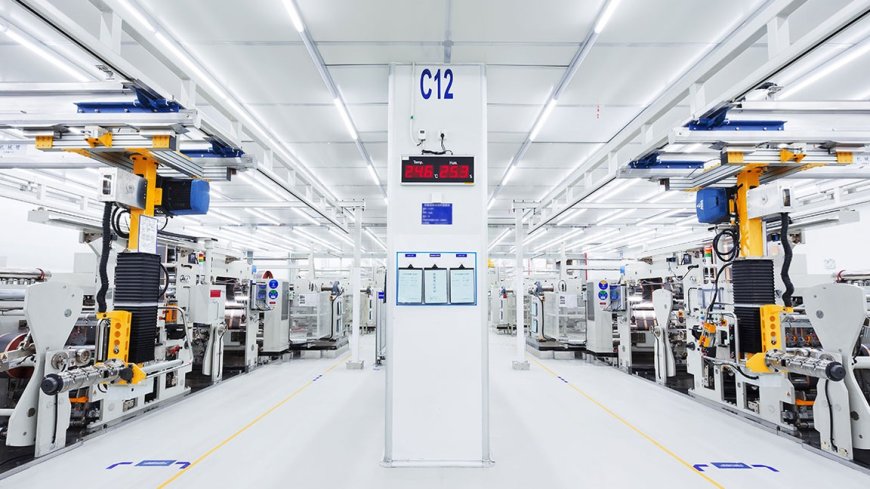
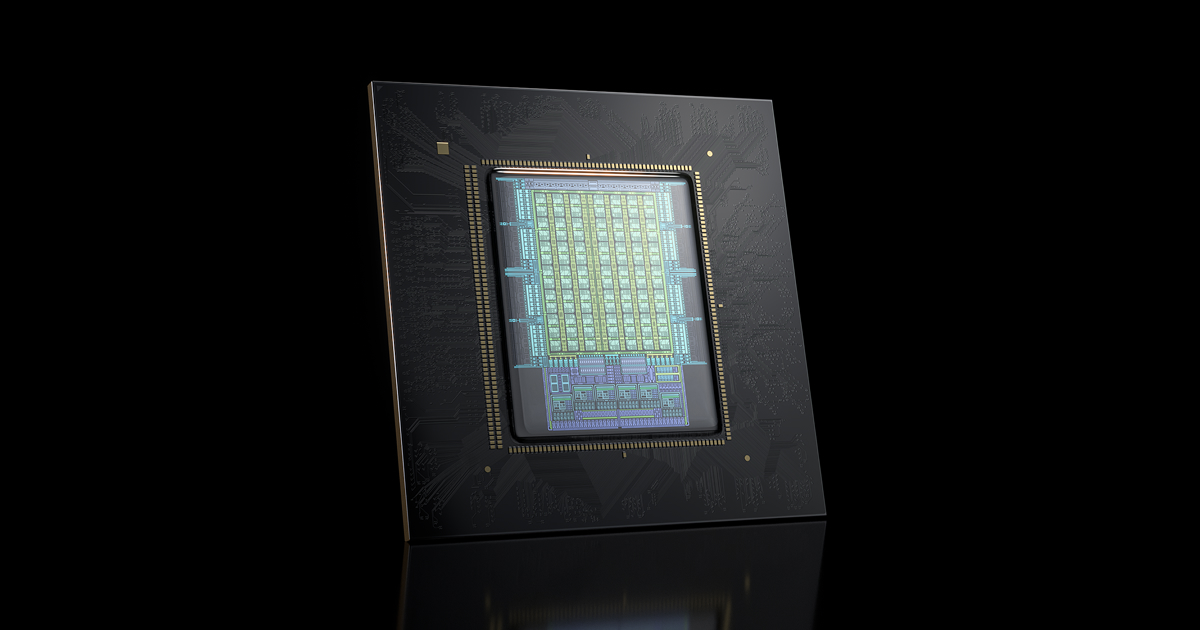
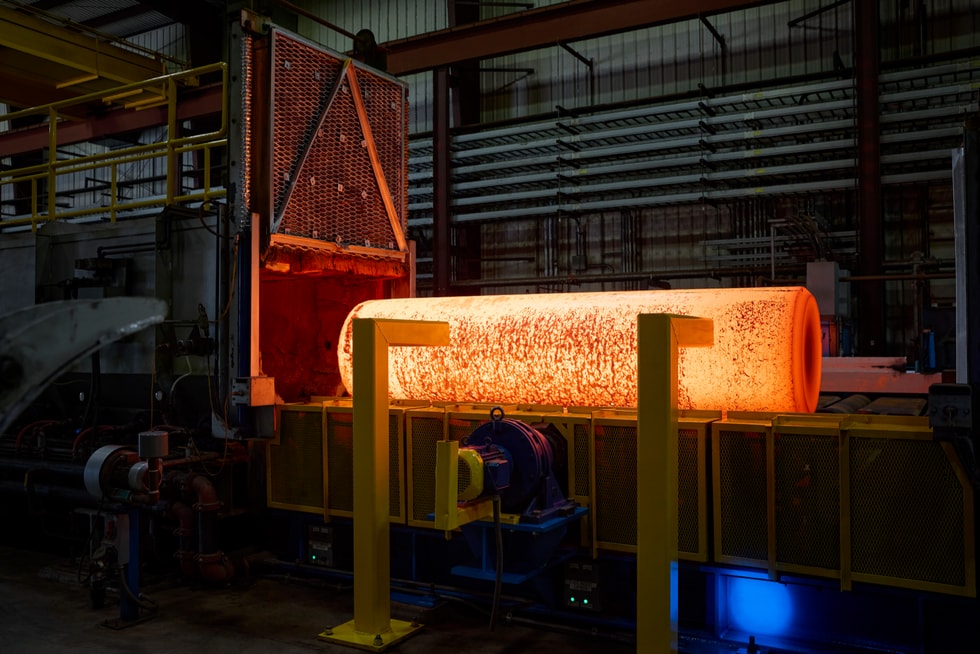
Image: Terafab official website.
Sources
What's Your Reaction?
 Like
0
 Dislike
0
 Love
0
 Funny
0
 Angry
0
 Sad
0
 Wow
0