




















Googlebook Arrives: Google Bets $899 Can Make Gemini the Heart of Your Next Laptop
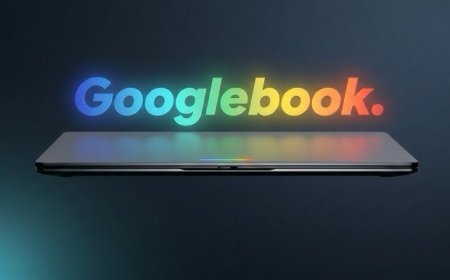
Google has opened pre-orders for Googlebook, a new premium laptop category built around Gemini AI and designed to work closely with Android phones. Starting at $899, Googlebook brings hardware from Acer, ASUS, Dell, HP and Lenovo, combining premium displays and processors with AI features that are designed to change how users interact with their laptops.

Google Is Trying to Reinvent the Laptop
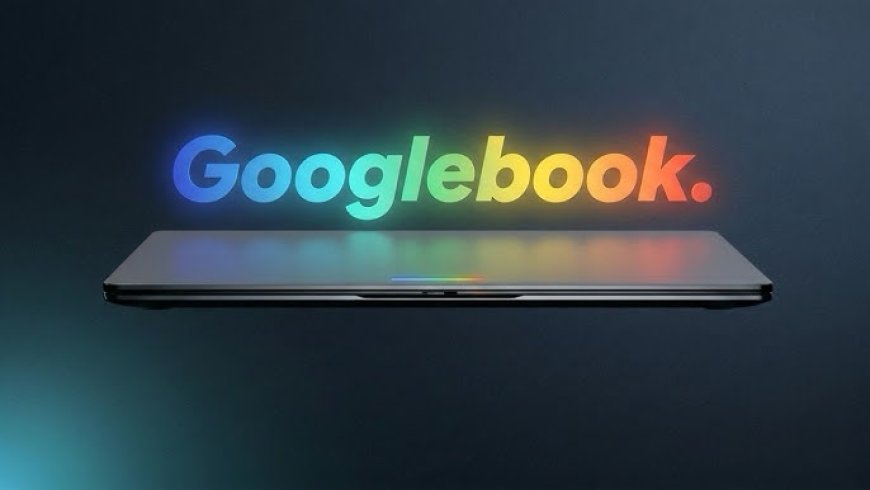
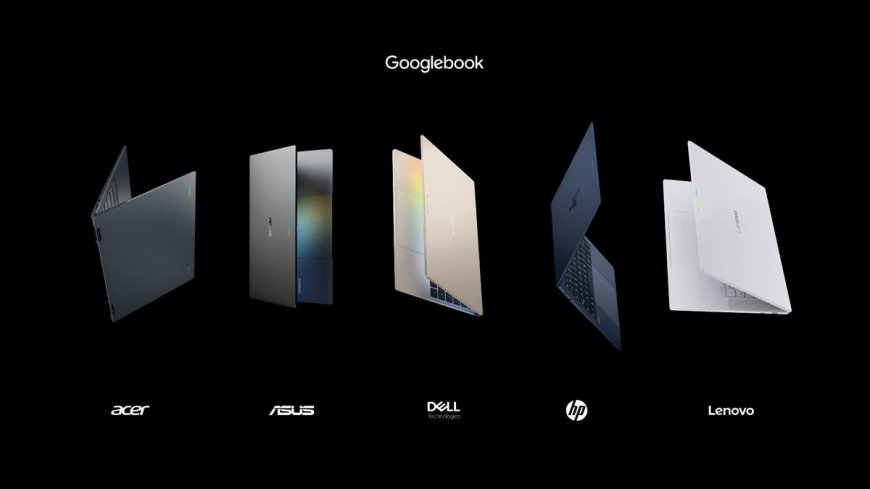
Google is making another serious attempt at the laptop market, but this time it isn't bringing back the Pixelbook. Instead, the company is introducing Googlebook, a new premium category of laptops designed around Gemini AI. Pre-orders opened on September 21, with prices starting at $899, and the first machines are being built by Acer, ASUS, Dell, HP and Lenovo. Google says the laptops combine Android technology with desktop foundations from ChromeOS, creating a computer designed to work more naturally with the Android phone already in your pocket.
That is an important change in direction for Google. Chromebooks became popular largely because they were affordable, simple and easy to manage, particularly in schools. Googlebook is going after something different: people who want a more premium computer but also want their phone and laptop to feel like parts of the same device ecosystem. Google is essentially asking a simple question — what if your laptop understood your Android phone as well as it understands the web?
Gemini Is the Real Star of the Show
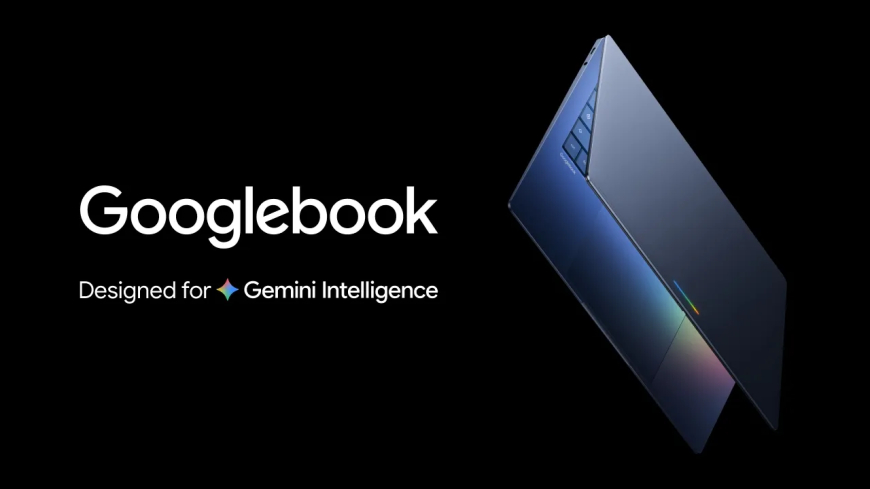
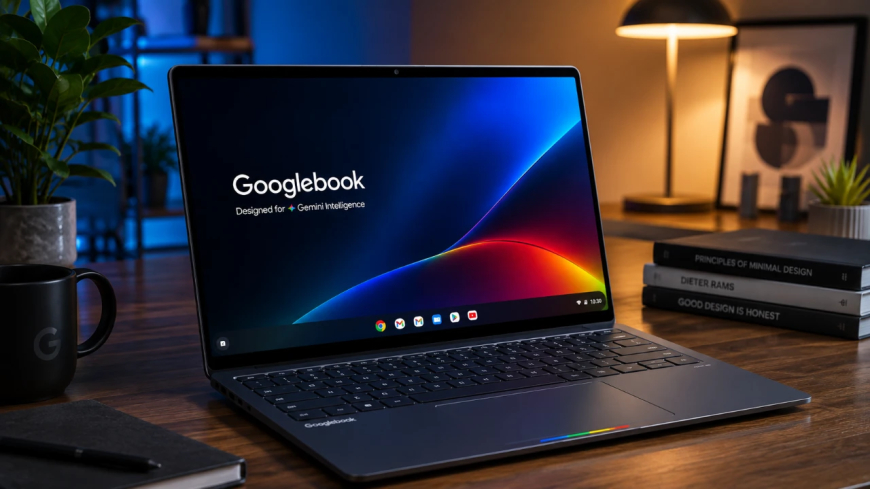
The hardware is only half of Google's pitch. The bigger story is Gemini. Googlebook is designed around what Google calls Gemini Intelligence, with AI features built directly into the desktop experience rather than treated as another application you have to open.
One of the most unusual features is Magic Pointer. Instead of simply moving around the screen, the cursor can be used to bring Gemini into the task you're working on. Users can select content and ask Gemini to organize, compare, translate or work with it. There is also Rambler, an AI-powered dictation feature that turns a messy stream of spoken thoughts into cleaner, structured writing. Google is also introducing tools that can generate custom desktop widgets from natural-language descriptions.
These features may sound futuristic, but Google's bigger idea is actually quite practical: make the computer require less manual work. Instead of jumping between windows, copying information and formatting everything yourself, Gemini is supposed to understand what you're doing and help from within the workflow.
Your Android Phone Becomes Part of the Laptop
Perhaps the most interesting part of Googlebook isn't even Gemini. It is the relationship between the laptop and an Android phone.
Google says users can continue tasks from their phones on Googlebook, access files stored on their phones and even interact with phone apps through the laptop. During setup, compatible Android phones can also share settings, saved passwords, Wi-Fi networks and messages with the computer. The system is designed to make moving between the two devices feel much less like transferring information and more like continuing the same session.
For someone who spends the day switching between a phone and a computer, that could be more useful than another flashy AI feature. Instead of sending a photo to yourself, searching through downloads or opening the same service again on a laptop, Google's vision is that the information simply follows you.
$899 Is a Big Change From the Chromebook Formula
The starting price is also worth paying attention to. At $899, Googlebook is clearly not trying to be another cheap Chromebook.
The first-generation lineup includes premium materials such as aluminum, magnesium alloy and carbon fiber, displays reaching up to 2.8K OLED, haptic glass trackpads and processors from Intel and Qualcomm. Google says the machines can offer up to 14 hours of battery life, while some individual models advertise even higher figures.
Every Googlebook also comes with 512GB of storage, and Google is bundling 12 months of Google AI Pro, including expanded Gemini access and 5TB of cloud storage. Google says buyers also receive additional software benefits, including subscriptions to services such as YouTube Premium and Adobe applications for limited periods.
Google Is Walking Into a Much More Competitive Laptop Market
Googlebook is arriving at an interesting time. Apple recently introduced the $699 MacBook Neo, giving consumers another lower-priced option in a market where Google has historically relied heavily on inexpensive Chromebooks. Microsoft's Windows ecosystem remains dominant for traditional PCs, while Apple continues to push the Mac toward tighter integration with its own devices.
Google's answer is not simply to make another laptop. It is trying to build an Android-centered computing ecosystem. If you already use an Android phone, Googlebook is supposed to make that phone a natural extension of your computer rather than a separate device.
That could become particularly important for students and younger users. Google says around 50 million Chromebooks are used in schools, giving the company an enormous existing audience that could eventually move toward the new Googlebook experience.
Google Is Giving It a Long Future
Google is also promising unusually long software support for the new machines. Googlebook devices are expected to receive regular feature updates for up to 10 years, which could make the higher starting price easier to justify for people who keep laptops for a long time.
The first devices will begin reaching customers on October 4 in the United States, followed by October 5 availability in Canada, the United Kingdom, Ireland, France, Germany and Australia. The initial hardware comes from five major laptop manufacturers, giving Googlebook a broader launch lineup than a typical single-device release.
The Bigger Bet Isn't the Laptop — It's Gemini
Googlebook could ultimately be remembered less as a new type of laptop and more as Google's attempt to put Gemini at the center of everyday computing.
The company has spent years making ChromeOS a lightweight alternative to Windows and macOS. Now it appears to be moving toward something more ambitious: a computer where AI sits between the user and the operating system, helping organize information, understand what's on screen, transform speech into useful work and connect the laptop to the user's phone.
Whether people will pay $899 or more for that experience remains to be seen. Many of Google's Gemini features can already be accessed on existing computers, which means the company has to convince buyers that its hardware-level integration is worth upgrading for.
But that's what makes Googlebook interesting. Google isn't simply launching another Chromebook with a faster processor. It is betting that the next big change in personal computing won't be about making the laptop more powerful — it will be about making the laptop understand what you're trying to do.
What's Your Reaction?
 Like
0
Like
0
 Dislike
0
Dislike
0
 Love
0
Love
0
 Funny
0
Funny
0
 Angry
0
Angry
0
 Sad
0
Sad
0
 Wow
0
Wow
0