















































South Korea's Corporate Reforms Hit a Rough Patch as Samsung Digs In on Returns
Global investors are pressing South Korea's biggest conglomerates to speed up governance reforms, with Samsung Electronics — trading at a fraction of its rivals' valuations despite record profits — at the center of the standoff.
South Korea's Corporate Reforms Hit a Rough Patch as Samsung Digs In on Returns
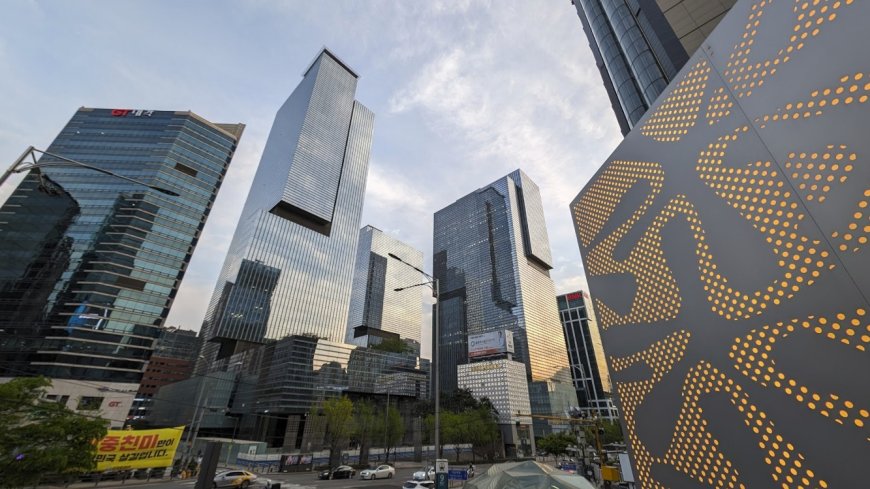
Global investors are pressing South Korea's biggest conglomerates to speed up corporate governance reforms, but progress has been uneven, with gains in financial companies offset by resistance among large chaebol affiliates.
At the center of the standoff is Samsung Electronics. The company reported the biggest quarterly operating profit by any technology company in history in the third quarter, yet it trades at 1.87 times book value — compared with 7.8 times for Micron, 29 times for Nvidia and 44 times for Apple.
The gap is the so-called "Korea Discount": the persistent undervaluation of South Korean companies relative to global peers, blamed on weak governance, opaque ownership structures and poor shareholder returns. Reforms aimed at attracting more overseas investors remain a work in progress, contributing to investor outflows from Seoul and raising concerns that momentum behind President Lee Jae Myung's drive to eliminate the discount could stall.
Some investors argue that conglomerates, particularly Samsung, should return more profits to shareholders, simplify their corporate structures and divest underperforming subsidiaries. Samsung board chairman Shin Je-yoon met overseas investors before last month's earnings announcement, following complaints about shareholder return policy from Capital Group, Artisan and Fidelity, who argued returns were too modest and preferred share buybacks and cancellations to higher dividends.
In August, Samsung declared a record 30 trillion won — about $22.35 billion — in dividends, but said it would decide in January how to deploy the remaining 55 to 75 trillion won earmarked for shareholder returns. Seoul-based Life Asset Management has asked Samsung's board special committee and its Compliance Committee to independently review the decision to defer the remaining funds until the end of January.
Rival SK Hynix announced a $75 billion shareholder return package last month, raising the pressure on Samsung to follow. A law that took effect in March also makes cancellation of treasury shares compulsory by September next year, forcing companies to stop hoarding shares they have bought back.
For now, Samsung says Shin regularly meets major global investors. But until the company decides what to do with tens of billions of won in promised returns, investors say the Korea Discount will persist — and the reform drive will keep stalling at the country's biggest company.
Sources
What's Your Reaction?
 Like
0
 Dislike
0
 Love
0
 Funny
0
 Angry
0
 Sad
0
 Wow
0