














































The First Touchscreen MacBook Pro Is Here, and Reviewers Say the Screen Steals the Show
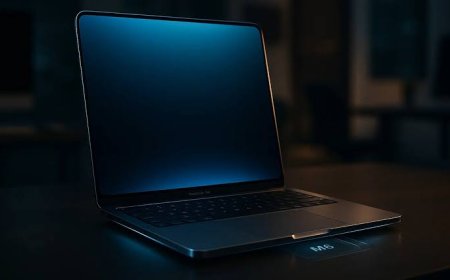
The first reviews of Apple's touchscreen MacBook Pro are in, and the verdict is clear: the new PROLED XDR OLED display is the best laptop screen reviewers have ever used, while the touchscreen itself is handy but not the reason to buy it. The 14-inch model starts at $2,899 and the 16-inch at $3,399.
The First Touchscreen MacBook Pro Is Here, and Reviewers Say the Screen Steals the Show
The first reviews of Apple's touchscreen MacBook Pro are in, and the verdict is clear: the new PROLED XDR OLED display is the best laptop screen reviewers have ever used, while the touchscreen itself is handy but not the reason to buy it. The 14-inch model starts at $2,899 and the 16-inch at $3,399.
Apple announced the laptops on October 28 and put them on sale on Friday, November 6, alongside an M6 iMac, an M6 14-inch MacBook Pro and a new OLED iPad mini. The high-end models use the same M5 Pro and M5 Max chips as the existing mini-LED MacBook Pros, so performance is similar — the display is the upgrade.
A display reviewers call the best ever
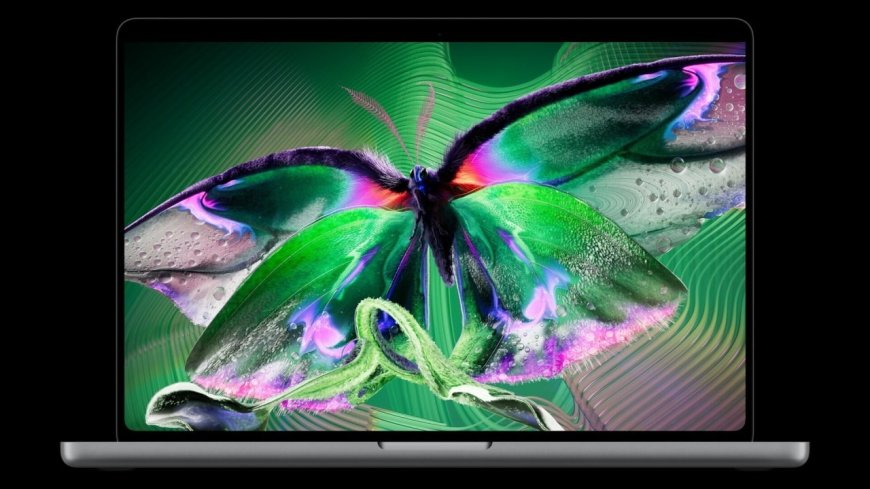
The PROLED XDR panel is a dual-layer tandem OLED, the first in a MacBook. Because each pixel produces its own light and can switch off completely for black, it delivers far deeper contrast than the mini-LED screens it replaces, with a 10,000,000:1 contrast ratio, support for the P3 and Adobe RGB colour gamuts, ProMotion at up to 120Hz, and up to 2,000 nits of brightness for HDR content. Notebookcheck measured a peak of about 2,085 nits.
Pocket-lint called it "without a doubt the best laptop display I've ever used", and XDA said the same, calling it "the best display I've ever seen in a laptop". The Verge recommended the new models regardless of the touchscreen, for the OLED display and the other upgrades. The laptops also gain a Dynamic Island in place of the notch, slimmer bezels, a redesigned hinge, improved speakers, a new 16TB storage option, and a lighter, slightly thinner design — the 16-inch model is 4 pounds, the 14-inch is 3 pounds.
Is the touchscreen worth it?
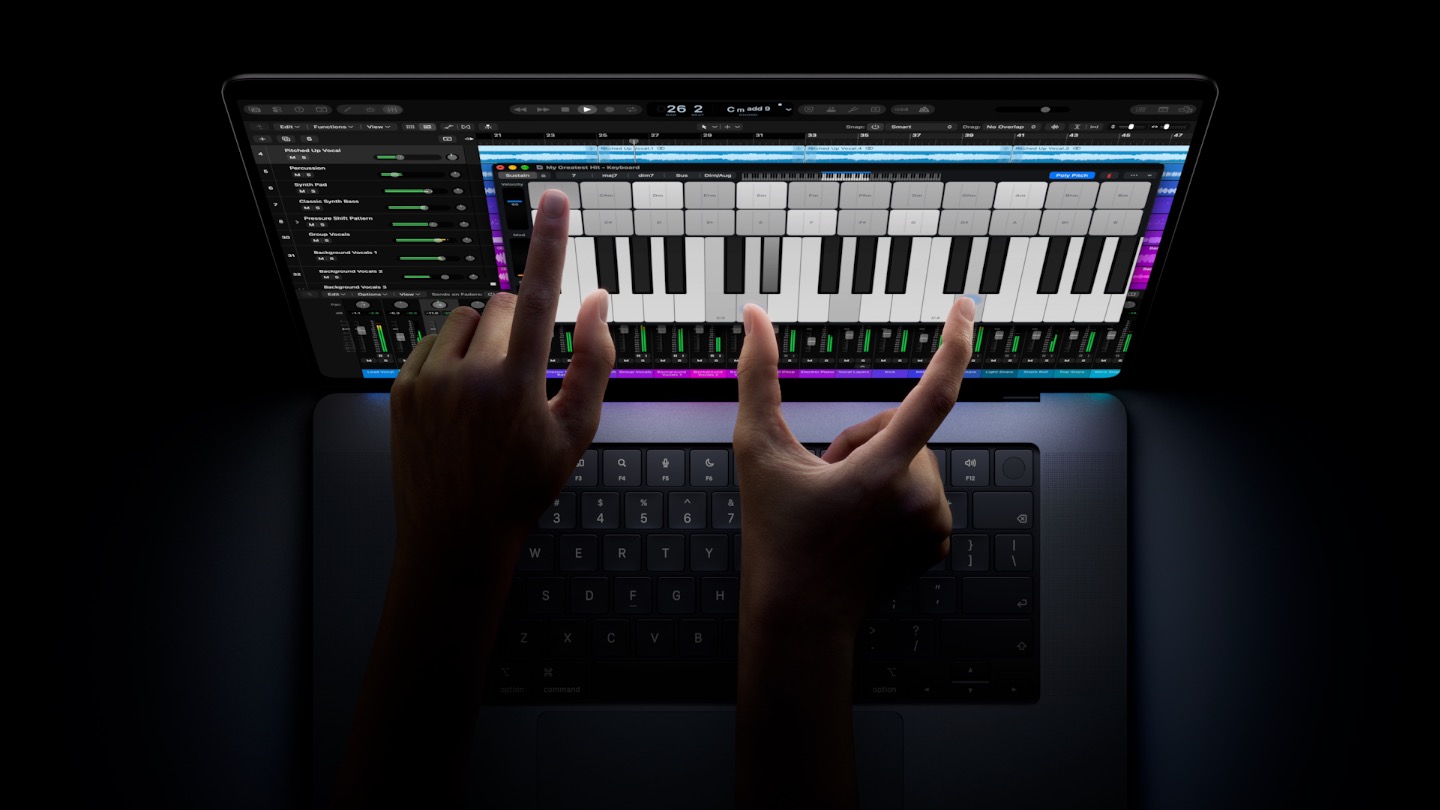
Here the reviews are more cautious. The Verge's David Pierce said touch input "has not been something that meaningfully changes the laptop experience" in his testing, though it comes in handy more often than expected — spreading fingers to zoom into a photo while editing, for example. XDA found the screen responsive, with Apple-style touches like an expanding context menu, but said it had not felt the need to use touch much in its first days with the laptop.
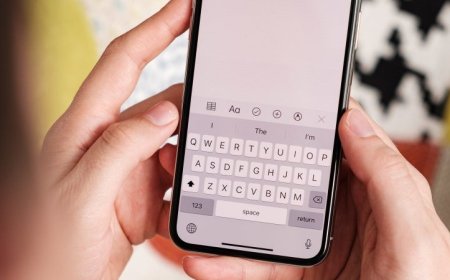
There are limits: there is no on-screen keyboard when you tap a text box, no copy, paste or select-all pop-up when you tap words, and the Apple Pencil does not work on the screen at all. Notebookcheck went further, calling the touchscreen "just a gimmick", arguing that reaching up to a screen that does not fold back is awkward, and that Apple would have been more serious about touch if it had added Pencil support. It also flagged 240Hz PWM flicker at lower brightness, which may bother flicker-sensitive users, and mixed battery results — Engadget got about 12.5 hours from the 14-inch model on a mixed workflow.
The touchscreen costs a premium: the 14-inch OLED model is $400 more than the regular M5 Pro MacBook Pro, and Pocket-lint said it was not yet convinced the extra cost is worth it for touch alone. For buyers who want the finest laptop display Apple has ever made, though, the reviews agree the screen itself is worth the price.
Sources
- MacRumors — MacBook Pro PROLED XDR Reviews Are In: Is the Touchscreen Worth It?
- Pocket-lint — Apple's OLED MacBook Pro exceeded my expectations
- XDA — The OLED MacBook Pro's display is absolutely stunning, but the touchscreen feels unnecessary
What's Your Reaction?
 Like
0
 Dislike
0
 Love
0
 Funny
0
 Angry
0
 Sad
0
 Wow
0