




















Samsung’s Mystery Android Laptop Hits Geekbench With Snapdragon X Elite
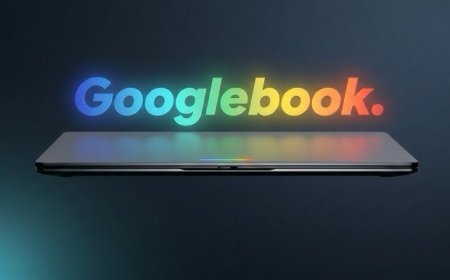
A Samsung laptop identified as XE940XSA has appeared in a Geekbench listing running Android 17 with Qualcomm’s Snapdragon X Elite and 16GB of RAM. The device could become Samsung’s first Googlebook, although its final name, software, launch date and availability remain unconfirmed.

Samsung’s Mystery Android Laptop Hits Geekbench With Snapdragon X Elite
Samsung May Be Preparing Its First Googlebook
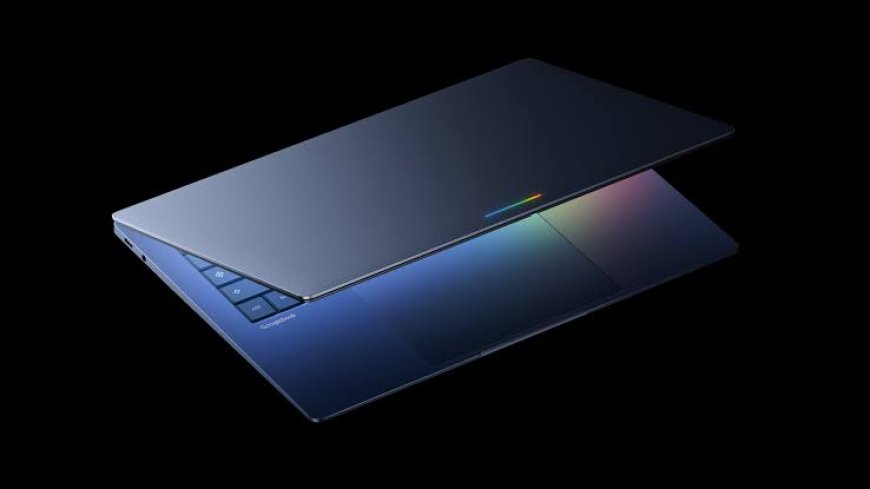
Samsung appears to be working on a new laptop that could give the company an entry into Google’s newly launched Googlebook platform. A device carrying the model number XE940XSA has surfaced in the Geekbench database running Android 17 and powered by Qualcomm’s Snapdragon X Elite processor. The listing also shows 16GB of RAM, making this considerably more interesting than a typical low-end Android laptop leak. Samsung has not officially announced the machine, however, so it is too early to call it a confirmed Googlebook product.
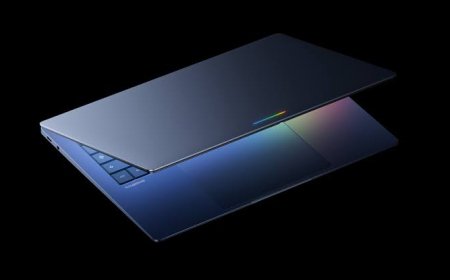
The timing is particularly notable because Googlebook is now emerging as Google's new direction for Android-powered laptops. Rather than using ChromeOS, Googlebook is built around Android 17 and is designed to bring native Android applications, Gemini-powered features and stronger integration with Android phones to a traditional laptop form factor. Qualcomm itself describes Googlebook as a new laptop category powered by Snapdragon, with Snapdragon X Elite positioned as one of the platform's premium processors.
Snapdragon X Elite Gives the Samsung Laptop Serious Hardware
The Geekbench listing reportedly identifies the processor by Qualcomm's internal “Hamoa” codename, which corresponds to the Snapdragon X Elite family. The chip is listed with 12 CPU cores, while the graphics side is handled by Qualcomm's Adreno X1-85 GPU. The reported configuration is believed to be the Snapdragon X Elite X1E-80-100, the same processor configuration found in some other Googlebook machines.
The benchmark also reportedly recorded 2,513 points in single-core performance and 15,214 in multi-core testing. Those numbers provide an early indication of the device's performance, but they should not be treated as a final assessment of Samsung's laptop. Benchmark results can vary depending on software, thermal conditions and engineering-stage hardware, and there is no evidence yet that this is a retail-ready configuration. What is more certain from the listing is the combination of Snapdragon X Elite and 16GB of RAM, which places the machine firmly in the higher-performance category of the emerging Googlebook lineup.
Android 17 Could Be the Biggest Clue
The operating system entry may actually be more important than the processor. Geekbench reportedly identifies the Samsung machine as running Android 17, rather than Windows or ChromeOS. Because Googlebook is based on Android 17, that has raised speculation that the XE940XSA could be Samsung's first Googlebook. At the same time, Android 17 alone does not prove that conclusion: Samsung has also reportedly been exploring its own Android-based Galaxy Book strategy, potentially combining Android with One UI and Samsung DeX.
That distinction matters. Samsung could ultimately release an Android laptop outside Google's Googlebook branding, using its own software layer and Galaxy ecosystem instead. Earlier reports have suggested that Samsung has been considering Android-powered Galaxy Book models, including possible One UI integration and deeper connections with Galaxy smartphones and tablets. The newly spotted benchmark is consistent with those reports, but it does not independently confirm Samsung's final software strategy.
Why Samsung’s Entry Could Matter
Samsung is already deeply invested in the Android ecosystem, but its traditional Galaxy Book computers have largely been built around Windows. A laptop running Android at this level would represent a noticeably different approach. Googlebook is intended to make Android applications feel natural on a larger screen while adding desktop-oriented features, Gemini Intelligence and continuity with Android smartphones. Qualcomm says the platform is designed for native Android apps, on-device AI and seamless handoff between a phone and laptop.
For Samsung, that could create an interesting middle ground between a conventional Galaxy Book and a large Android device. A future Samsung model could potentially combine the company's Galaxy ecosystem, One UI design language and DeX-style desktop experience with Google's expanding Android laptop framework. But those possibilities remain speculative until Samsung provides official details.
Samsung Still Hasn’t Confirmed the Laptop
The first wave of Googlebooks includes machines from Acer, ASUS, Dell, HP and Lenovo, while Samsung was absent from the initial lineup. Some of those laptops use Snapdragon X Elite, while others rely on Intel processors. Googlebook devices are scheduled to begin retail availability in early October, with the initial lineup starting at around $899 in the U.S.
That makes the Samsung leak especially timely. If the XE940XSA is genuinely a Googlebook, Samsung could be preparing a second wave of devices rather than joining the initial launch group. But there is currently no confirmed product name, display size, battery capacity, storage configuration, price or release date. Even the question of whether it will be branded as a Galaxy Book, Galaxy Googlebook or something else remains unanswered.
For now, the Geekbench appearance is best viewed as an early glimpse rather than a product announcement. A Samsung laptop with Snapdragon X Elite and 16GB of RAM running Android 17 certainly fits the technical profile of Google's new laptop platform, but the final identity of the XE940XSA will likely become clearer only when Samsung reveals more hardware or software information. If the company does bring its Galaxy ecosystem to Googlebook, it could become one of the more significant Android laptop launches of the new platform's early generation.
What's Your Reaction?
 Like
0
Like
0
 Dislike
0
Dislike
0
 Love
0
Love
0
 Funny
0
Funny
0
 Angry
0
Angry
0
 Sad
0
Sad
0
 Wow
0
Wow
0