


















































iFixit Tore Down the Touchscreen MacBook Pro — and Found Four LEDs Behind the Glowing Apple Logo
iFixit's teardown of the 14-inch touchscreen MacBook Pro reveals how Apple lights up the glowing logo: a strip of four LEDs, a reflective layer and a diffuser — not the touch layer, as first reported. The teardown also finds a lighter display, a repairability score of 5 out of 10, and a screen that cracked during the disassembly.
iFixit Tore Down the Touchscreen MacBook Pro — and Found Four LEDs Behind the Glowing Apple Logo
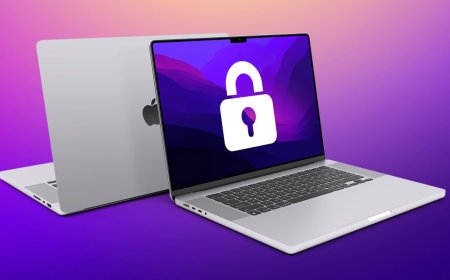
iFixit has torn down the 14-inch touchscreen MacBook Pro, and the most interesting thing it found is not the touchscreen. It is the glowing Apple logo on the lid — and how Apple lights it up. The logo is lit by a strip of four LEDs, a reflective layer and a diffuser, not by the touch layer as was first reported when the laptop launched.
The teardown, published by iFixit, also found a lighter display assembly, a repairability score of 5 out of 10, and a screen that cracked during the disassembly itself — a reminder of just how fragile these panels are.
How the glowing logo actually works
When Apple announced the touchscreen MacBook Pro on 28 October, the glowing logo was one of the details that caught people's attention. Apple had removed the glowing logo from its laptops years ago, and its return — on a machine that also brings back the touchscreen — felt like a deliberate nod to the past.
Early reporting, including GSMArena's coverage, said the logo was lit by the touch layer of the display. iFixit's teardown shows that is wrong. Behind the logo sits a strip of four LEDs, which shine through a reflective layer and a diffuser to spread the light evenly across the Apple shape. It is a small, deliberate piece of engineering — and it is separate from the touch system entirely.
A lighter, thinner display
The display itself is a tandem OLED panel — Apple's PROLED XDR — running at 120Hz with peak brightness of 2,000 nits. iFixit found the display assembly has dropped from 485 grams to 384 grams, a meaningful reduction that helps offset the weight of the touch layer and the new hardware behind it.
The teardown also confirmed that Touch ID keeps working after a logic board swap, which is good news for repairs: on some earlier Macs, replacing the board broke the fingerprint sensor. iFixit gave the machine a repairability score of 5 out of 10 — middling, and 4 out of 10 under the stricter scoring rules that take effect in 2027.
The screen cracked
The teardown did not go perfectly. The display cracked during the disassembly, which iFixit notes as a sign of how delicate the panel is — and how expensive a repair would be if it happens outside warranty. The battery, at 72.6Wh according to iFixit, is also glued in place, which makes replacement harder than it needs to be.
For the full picture of the machine iFixit took apart, our touchscreen MacBook Pro review covers the display, performance and battery in daily use, and our M6 launch report covers the announcement itself.
Why it matters
Teardowns matter because they tell you what a product is really made of, and how long it will last. The glowing logo is a small detail, but the way Apple built it — four LEDs, a reflector, a diffuser — shows the company still sweats the details. The lighter display and the working Touch ID after a board swap are genuinely good news for owners. The cracked screen and the glued-in battery are the other side of the story: a beautiful machine that is still hard to repair. A score of 5 out of 10 is not a disaster, but it is not the score you want from a laptop that starts at well over two thousand dollars.
Sources
What's Your Reaction?
 Like
0
 Dislike
0
 Love
0
 Funny
0
 Angry
0
 Sad
0
 Wow
0