







































He Steered a Robot With His Thoughts: How a Neuralink Patient Drove a Vacuum Around His Home
Neuralink patient Zach McManus has steered a robot vacuum around his home using only his thoughts — the clearest sign yet that brain-computer interfaces are moving from screens into the physical world. But the details matter: the control runs through the vacuum's app joystick, not directly from brain to robot.
He Steered a Robot With His Thoughts: How a Neuralink Patient Drove a Vacuum Around His Home
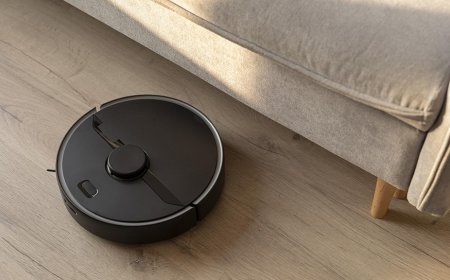
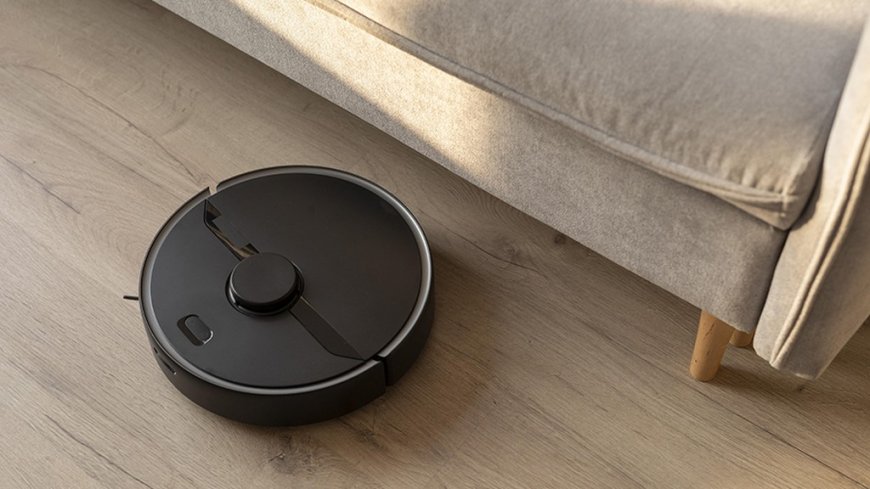
Zach McManus sits in a motorised wheelchair and looks at a screen. A cursor moves across it — driven, he says, by his thoughts alone. The cursor slides onto a joystick, and across the room, a white robot vacuum starts moving.
The video, posted on November 2, 2026, is a small moment that points at something much larger: brain-computer interfaces are starting to control things in the physical world, not just cursors on screens.
But the details matter here, because the story is more interesting — and more honest — than the headline suggests.
What actually happened
McManus is the 22nd person to receive Neuralink's N1 brain implant, a coin-sized device that reads neural signals from the motor cortex, the part of the brain that controls movement. In the video, posted by the vacuum's maker Matic Robots, he uses the implant-driven cursor to operate the Matic app's existing on-screen joystick — via a dongle connected to his phone or laptop — and the joystick steers the vacuum.
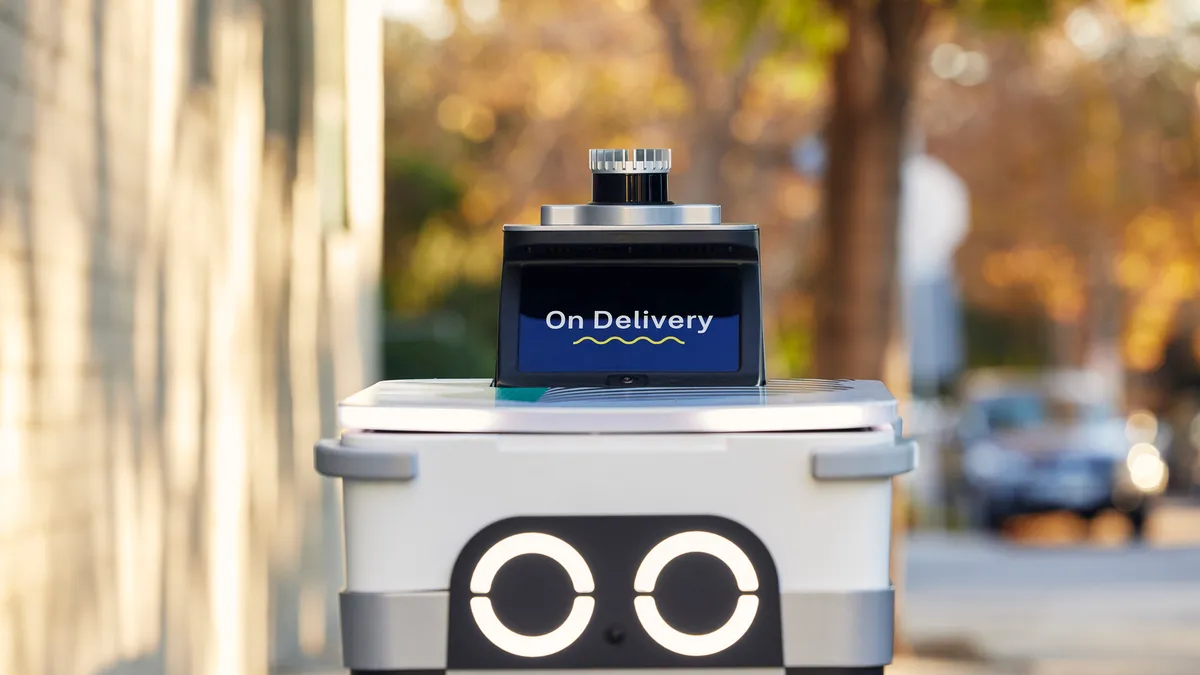
That is a real achievement. It is not, however, a direct brain-to-robot link. The signal path is brain to cursor to app to robot, using a control interface the vacuum already had. And the robot in the video is not an Optimus humanoid, despite some early speculation — it is a white Matic robot vacuum, as the video itself makes clear.
McManus himself has spoken about the wider experience in interviews, including a July 2026 appearance on the podcast of Neuralink patient Noland Arbaugh, the first human recipient, where he discussed the implant's effect on his daily life and his view of the technology's future.
From cursor to robot arm
The vacuum demonstration sits on a ladder of progress Neuralink has been climbing since the first human implant in January 2024. Noland Arbaugh, the first recipient, learned to move a computer cursor with his thoughts and, by mid-2025, was controlling a robotic arm at the Barrow Neurological Institute as part of a study called CONVOY, which looks at how people with paralysis can use robotic assistance in daily life.
In July 2026, a telepathic wheelchair demonstration — a person driving a wheelchair using the implant — showed the same idea applied to mobility. The vacuum video takes it one step further: not a screen, not a chair, but a household machine doing a household job.
The pace of implants is accelerating too. Neuralink's January 2026 update said the company had completed 20 surgeries through the end of 2025, and public tracking suggests at least 26 recipients by mid-2026. In December 2025, the company announced it had moved into high-volume production of the N1 implant.
The robot vacuum is the wrong test — and the right one
A robot vacuum is, in one sense, an odd choice for a demonstration of futuristic technology. It is a familiar, slightly boring household device. But that is precisely the point. The hardest thing about assistive technology is not the headline-grabbing demo but the everyday task: cleaning a floor without asking someone else for help.
For someone who cannot walk, the ability to start, steer and stop a vacuum with a thought is not a party trick. It is a small piece of independence — the difference between doing a chore yourself and waiting for a carer.
There are limits, and they are worth stating plainly. The control is indirect, routed through an app the vacuum already had. The implant requires brain surgery. The video is a demonstration, not a product — there is no announcement of a Neuralink-controlled home robot for sale, and the company has not said when or whether the vacuum setup will be available to other patients.
Where this goes next
Elon Musk has said that Neuralink's long-term ambition is to link human brains directly with machines — and, in the nearer term, with the Optimus humanoid robot. In November 2025, he set out a roadmap in which Neuralink patients would begin controlling Optimus units, starting with the aim of enabling people with paralysis to operate a robot as an extension of their own body.
The vacuum is a modest preview of that idea: a machine in the home, responding to a thought. The difference is that Optimus would have arms, hands and a humanoid form — capable of far more than vacuuming, and far harder to control safely.
The company is now valued at approximately $9 billion after a $650 million Series E funding round in May 2025, and the pace of its work is quickening. Whether the technology scales from 26 recipients to thousands, and from a vacuum to a humanoid, will depend on the same things that have always governed medical devices: safety data, regulatory approval, and whether the benefits justify the surgery.
For now, the video of a man in a wheelchair steering a vacuum with his thoughts is a glimpse of where brain-computer interfaces are heading — out of the lab, into the living room, one household chore at a time.
Sources
What's Your Reaction?
 Like
0
 Dislike
0
 Love
0
 Funny
0
 Angry
0
 Sad
0
 Wow
0