















































OLED vs LCD vs AMOLED: Display Types Explained in Simple Terms
Shopping for a phone and confused by OLED, AMOLED and LCD? This simple guide explains how each display works, their strengths and weaknesses, and which one is best for you.

OLED vs LCD vs AMOLED: Display Types Explained in Simple Terms
Shopping for a phone and confused by OLED, AMOLED and LCD? This simple guide explains how each display works, their strengths and weaknesses, and which one is best for you.
The display is the part of your phone you look at all day, yet the terms on the spec sheet — OLED, AMOLED, IPS LCD, LTPO — are rarely explained. Here is what they actually mean, in plain language.
How LCD works
LCD (liquid crystal display) works like a window with a light behind it. A backlight shines through liquid crystal pixels that open and close to let light through and create colours. Most phone LCDs use IPS technology, which gives good viewing angles and accurate colours. The weakness: the backlight is always on, so even black areas of the screen glow slightly grey, and contrast is limited.
How OLED works
OLED (organic light-emitting diode) is different: every pixel produces its own light. There is no backlight. To show black, a pixel simply switches off completely — which is why OLED screens have perfect blacks, huge contrast and vivid colours. Because black pixels use no power, dark mode genuinely saves battery on OLED phones.
What is AMOLED, then?
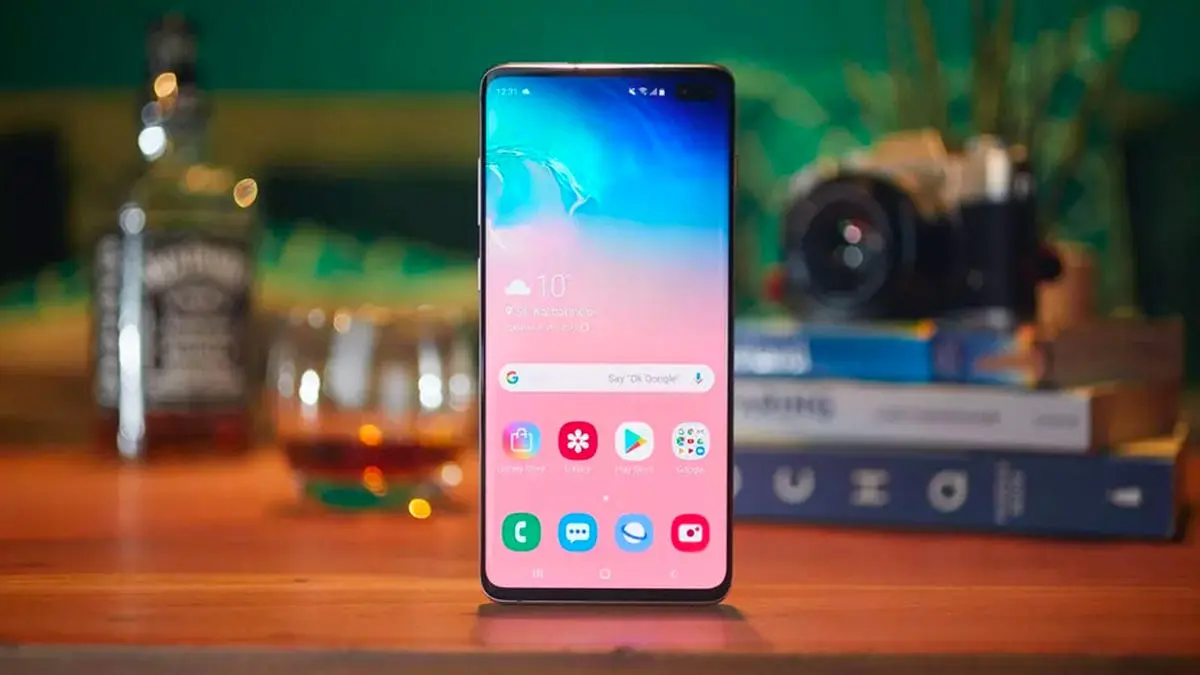
AMOLED is simply Samsung's name for a type of OLED display with an active-matrix backplane — the technology that controls each pixel. In practice, "AMOLED" and "OLED" mean the same thing for a phone buyer: a self-lit display with perfect blacks and high contrast. Super AMOLED is Samsung's premium version with the touch layer built into the display, making it thinner and brighter.
OLED vs LCD: strengths and weaknesses
OLED wins on contrast, colour vibrancy, viewing angles, thinness and battery saving with dark content. It also enables always-on displays and under-display fingerprint sensors. Its weaknesses: it costs more to make, it can suffer from "burn-in" (a faint permanent ghost image) after years of showing the same static content, and cheaper OLED panels can flicker at low brightness, which bothers some people's eyes. LCD wins on price, has no burn-in risk, and is usually easier on the eyes at low brightness — but it cannot match OLED's blacks or contrast, and it uses more power.
What about LTPO, 120Hz and other terms?
LTPO is a backplane technology that lets a display change its refresh rate dynamically — for example, dropping to 1Hz when showing a static image to save battery, and jumping to 120Hz when scrolling for smoothness. Refresh rate (60Hz, 90Hz, 120Hz) is separate from the panel type: both OLED and LCD phones can have high refresh rates. A 120Hz display feels smoother when scrolling and gaming, but uses more battery.
Which display should you choose?
For most people, OLED is the better choice if the budget allows: the colours, contrast and battery savings are genuinely noticeable every day. But a good IPS LCD is still perfectly fine, especially on budget phones, and some people prefer LCD because it causes less eye strain at low brightness. When choosing, look at the phone in person if you can — brightness, colour accuracy and flicker matter more than the acronym on the box.
Sources
What's Your Reaction?
 Like
0
 Dislike
0
 Love
0
 Funny
0
 Angry
0
 Sad
0
 Wow
0