























































What Is a VPN and Do You Need One? A Simple Explainer
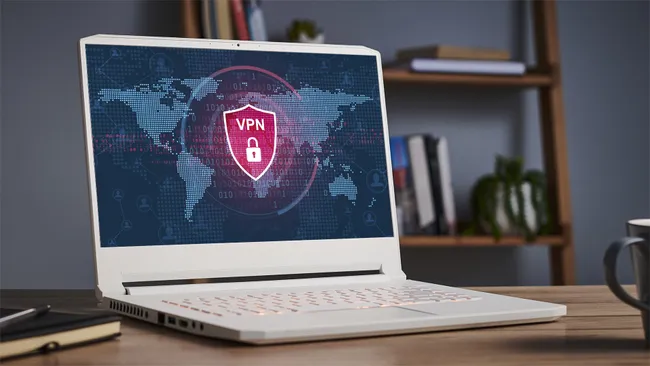
A VPN encrypts your internet connection and hides your location — but do you actually need one? This simple guide explains what a VPN does, what it cannot do, and when it is worth paying for.
What Is a VPN and Do You Need One? A Simple Explainer
A VPN encrypts your internet connection and hides your location — but do you actually need one? This simple guide explains what a VPN does, what it cannot do, and when it is worth paying for.
What is a VPN?
A VPN (virtual private network) creates an encrypted tunnel between your device and a server run by the VPN company. All your internet traffic goes through that tunnel, so nobody on your local network — not your internet provider, not the owner of the coffee-shop Wi-Fi — can see what websites you visit or what data you send. Your real IP address is hidden, and websites see the VPN server's address instead, which can make it look like you are in a different country.
What a VPN actually protects you from
A VPN is most useful on public Wi-Fi. On an open network in a hotel, airport or café, an attacker on the same network can spy on unencrypted traffic — a VPN encrypts everything, so there is nothing useful to steal. It also stops your internet provider from logging and selling your browsing history, and it hides your real location from websites and advertisers.
What a VPN does NOT do
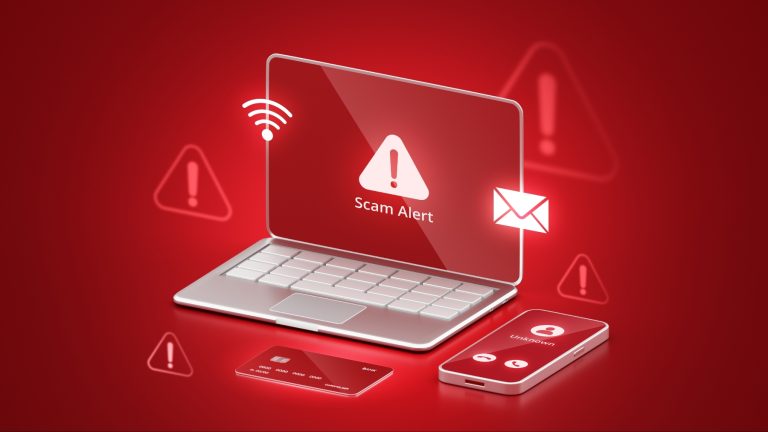
A VPN does not make you anonymous. The VPN company itself can see your traffic, so you are trusting it instead of your internet provider — choose one with a clear no-logs policy that has been independently audited. A VPN does not protect you from malware, phishing or scams: a malicious website is just as dangerous through a VPN as without one. And it does not hide you from Google, Facebook or any service you log into — they know exactly who you are from your account.
When is a VPN worth it?
A VPN is worth paying for if you often use public Wi-Fi, if you want to stop your internet provider tracking your browsing, if you work remotely and need to access your company's network securely, or if you want to access content that is only available in another country. For most people at home on their own Wi-Fi, a VPN adds little — your home network is already reasonably private.
Free VPN vs paid VPN
Free VPNs have to make money somehow, and the common ways are showing ads, selling your data, or limiting speed and data — which defeats the purpose of privacy. A reputable paid VPN costs a few dollars a month, offers faster speeds, more server locations, and a no-logs policy. If a VPN is free and unlimited, you are probably the product.
How to choose a VPN
Look for a provider with an independently audited no-logs policy, strong encryption (OpenVPN or WireGuard protocols), a kill switch that blocks internet access if the VPN drops, apps for all your devices, and servers in the countries you need. Avoid VPNs based in countries with aggressive surveillance laws, and be suspicious of any VPN that promises total anonymity — no VPN can promise that.
Sources
- Innopark IT — How to Protect Yourself From Phishing and Online Scams: A Practical Guide
- Innopark IT — Malicious Claude Code Extension Exposed Developers Through Cursor Marketplace
What's Your Reaction?
 Like
0
 Dislike
0
 Love
0
 Funny
0
 Angry
0
 Sad
0
 Wow
0