












































OLED MacBook Pro May Be Lighter, but Not Much Thinner
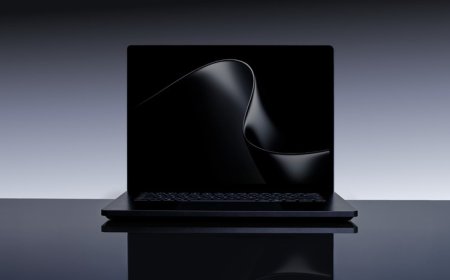
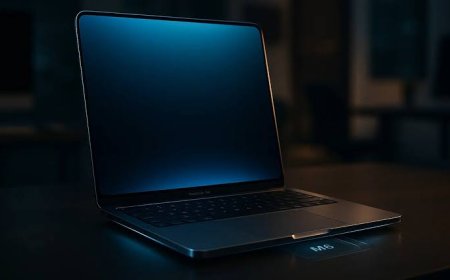
Apple's upcoming OLED MacBook Pro redesign may not deliver the dramatically slimmer body previously expected. Bloomberg journalist Mark Gurman has reportedly softened his earlier prediction, suggesting the new MacBook Pro could be significantly lighter without becoming much thinner. The anticipated upgrade is still expected to bring major display changes, including OLED technology and touchscreen support, although Apple has yet to confirm the redesigned laptop's specifications or release date.
OLED MacBook Pro May Be Lighter, but Not Much Thinner
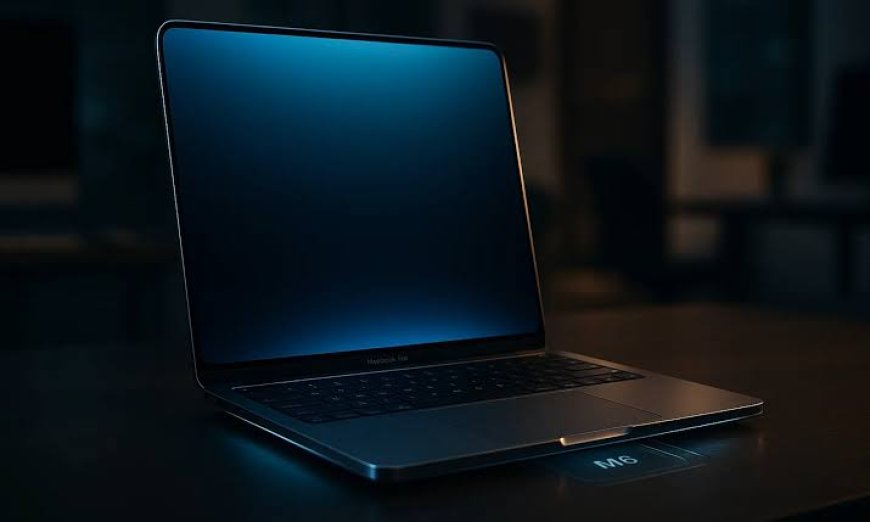
Apple's upcoming OLED MacBook Pro could look less dramatically different from the current model than earlier reports suggested. The redesigned laptop is still expected to bring a major display upgrade and a lighter build, but it may not deliver the significantly thinner chassis that many Apple fans had been anticipating.
The latest development comes from Bloomberg's Mark Gurman, who has previously reported that Apple was working toward a thinner and lighter MacBook Pro design. In a recent response on X, Gurman reportedly reconsidered the thickness claim, saying he did not think the new machine would be significantly thinner after all. The change in wording is important: the laptop could shed weight without undergoing a major reduction in its overall thickness.
Apple has not officially announced this redesigned MacBook Pro, so its final dimensions, weight, features and launch plans remain unconfirmed. For now, the latest information should be treated as reporting about a product still awaiting an official announcement.
A Lighter MacBook Pro Could Matter More Than a Thinner One
The distinction between thickness and weight may sound minor, but it matters for a laptop designed for professional work. The current MacBook Pro is built around a combination of powerful processors, active cooling, a substantial battery and a wide selection of ports. Reducing its weight without sacrificing those features could be a worthwhile engineering achievement.
The existing 14-inch MacBook Pro measures approximately 15.5mm thick, while the 16-inch version measures around 16.8mm. Depending on the configuration, their weights also differ considerably. The larger model, in particular, can become cumbersome for people who carry it between an office, university, studio and home.
A lighter chassis could make the laptop easier to carry throughout the day, even if its side profile looks broadly similar to the current generation. Apple would not necessarily need to make the entire computer dramatically thinner to deliver a noticeable improvement in portability.
Why the OLED Upgrade Is Still a Big Deal
The more significant change could be underneath the display glass. Apple is widely expected to move the MacBook Pro from its current mini-LED display technology to OLED in a future redesign. Unlike mini-LED screens, which use a backlight behind the display panel, OLED pixels produce their own light.
That difference can produce deeper blacks, stronger contrast and more precise control over dark areas of an image. For photographers, video editors and other creative professionals, these characteristics could make the display particularly attractive when working with high-contrast footage, detailed images or dark scenes.
OLED can also offer fast pixel response times and wide viewing angles. Power efficiency, however, depends on the content being displayed and the panel's implementation; it should not automatically be assumed that every OLED MacBook configuration will last longer on a charge.
The switch to OLED is one reason the next redesign is generating so much interest. A major display improvement could change the everyday experience of using a MacBook Pro even if the computer's external dimensions change only modestly.
Touchscreen Support Could Change How People Use a MacBook
Another widely reported feature is touchscreen support, which would represent a major change for the MacBook Pro. Apple has traditionally emphasized trackpad and keyboard interaction on its laptops, while reserving direct touch input for products such as the iPad and iPhone.
A touchscreen MacBook Pro could give users another way to interact with applications, navigate interfaces and manipulate visual content. Designers and creative professionals might find touch useful for certain tasks, although it would not automatically replace the precision of a trackpad, mouse or dedicated drawing device.
Reports have also pointed to a redesigned display cutout and a Dynamic Island-style interface. If these features arrive together, the new MacBook Pro could represent a more substantial redesign of the user experience than a simple screen replacement.
However, none of these details should be considered final until Apple confirms the hardware and demonstrates how the features work.
Why Apple Might Avoid a Dramatically Thinner Design
There are practical reasons a professional laptop might not benefit from aggressive slimming. High-performance processors generate heat under sustained workloads, and the computer needs an effective way to dissipate it. Battery capacity, speaker design, structural rigidity and the space required for connectors also influence the final dimensions.
Making a laptop thinner can introduce compromises if the internal components are not redesigned carefully. That does not mean Apple cannot reduce thickness, but it helps explain why a lighter device does not necessarily have to be dramatically slimmer.
Apple's current MacBook Pro design also restored several useful connections that professionals rely on, including HDMI, an SD card slot and MagSafe charging, alongside Thunderbolt ports. Maintaining a practical selection of ports remains valuable for people connecting cameras, external displays, storage drives and other equipment.
A redesign that reduces weight while preserving cooling, battery life and connectivity could therefore be more useful than one that prioritizes thinness at the expense of everyday functionality. Whether Apple has managed that balance will only become clear when the final product is revealed and independently tested.
MacBook Pro OLED Release Date and Processor Expectations
Recent reports have pointed toward a launch window later in 2026, with the redesigned models potentially arriving toward the end of October or in November. The timing remains unconfirmed by Apple, and reported schedules can change as production and software development progress.
The next-generation models have also been linked to Apple's future M-series processors. Reports about the exact chips and configurations have varied, so buyers should be cautious about treating any particular processor specification as final.
Pricing is another unanswered question. OLED technology and a major hardware redesign could make the new models more expensive, but there is not yet an official price list for the unannounced machines.
Anyone considering a MacBook Pro upgrade should weigh the benefits of buying an available model now against the possibility of a more substantial display and design update arriving soon. The right decision will depend on current needs, budget and how much the anticipated features matter.
What This Means for MacBook Pro Buyers
The latest report does not suggest that the upcoming MacBook Pro redesign will be unimportant. Instead, it shifts attention away from thickness as the main measure of progress. A lighter laptop with an OLED display and touchscreen support could still represent a meaningful change, even if it looks similar in profile to the existing model.
For users who value portability, the amount of weight Apple removes may matter more than a small reduction in millimetres. For creative professionals, the OLED panel could be the more compelling reason to upgrade. Others may care more about sustained performance, battery life, ports and price.
Until Apple announces the machine, there is no reliable way to determine exactly how much lighter it will be or whether any thickness reduction will be noticeable. The strongest conclusion from the latest reporting is simply that a dramatically thinner chassis is no longer something buyers should take for granted.
Sources
What's Your Reaction?
 Like
0
Like
0
 Dislike
0
Dislike
0
 Love
0
Love
0
 Funny
0
Funny
0
 Angry
0
Angry
0
 Sad
0
Sad
0
 Wow
0
Wow
0