



























































How Tungsten Became the West's Test Case for Breaking China's Grip on Critical Minerals
China controls about 70% of the world's primary tungsten supply, but export curbs, record prices and a US military ban from January 2027 are pushing Western miners and refiners to build supply chains of their own. Australia's EQ Resources is leading the charge — and tungsten is showing that breaking free of Beijing is possible, even if it will take years.

How Tungsten Became the West's Test Case for Breaking China's Grip on Critical Minerals
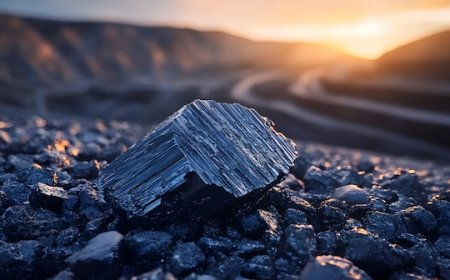
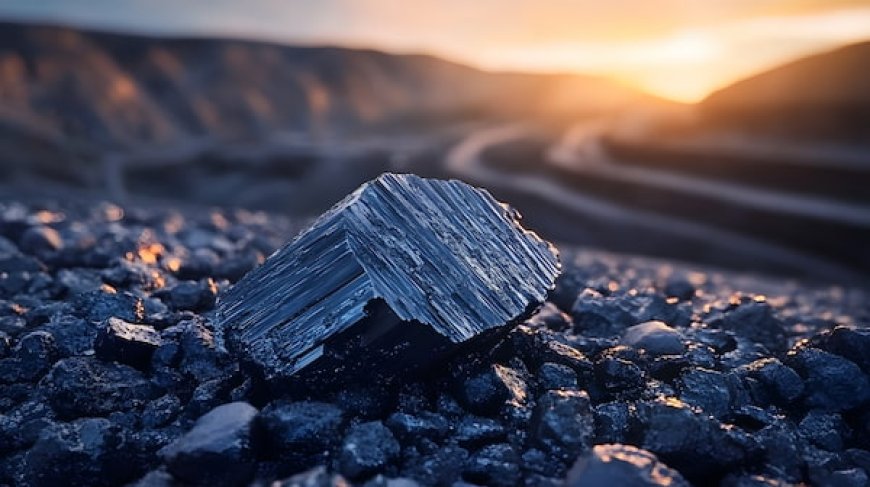
It is dull, grey and almost entirely unglamorous. Yet tungsten is quietly showing the West how to build critical-mineral supply chains that no longer run through China — and the lesson matters far beyond one obscure metal.
Tungsten turns up in a surprising range of places: machine tools and drill bits, semiconductors and electronics, space rockets and helicopters, and military hardware such as armour-piercing munitions. For many Western governments, that makes it every bit as vital as better-known materials like rare earths, copper, cobalt and nickel. The problem is who controls it.
Data from consultancy Project Blue shows China accounts for about 70% of global primary tungsten supply. Beijing spent decades building that position — developing its own mines while importing ores and concentrates to feed its refining and production system. In February 2025, it imposed tungsten export restrictions in response to fresh US tariffs, contributing to shortages in the rest of the world, especially as much of the non-China supply was already tied up in long-term contracts.
Record prices forced a rethink
The squeeze was sharpened by surging military demand amid the wars in Iran and Ukraine, which pushed prices for ammonium paratungstate (APT) — the intermediate product used to make tungsten metal — to record levels earlier this year. But while prices spiked in the West, the shortage also encouraged the development of new mining capacity and processing facilities outside China.
Australia is at the forefront of that capacity boost, with EQ Resources one of the miners leading the charge. The company's managing director, Craig Bradshaw, told Reuters Open Interest in an interview on November 18 that the Western world had for years enjoyed "sugar hits of cheap material" from China — but that era has now ended as Beijing seeks to move up the value chain and supply tungsten end products rather than raw material.
That shift has created an opening to invest in refining. EQ Resources is a partner in a venture to reopen a tungsten plant in the US state of Nevada, set to restart in 2028. Western producers will likely still struggle to compete with China on price, but reliability of supply may offer them a competitive edge.
Reliability matters more than price
For many end users of high-end tungsten products, price is not the deciding factor, because the metal represents only a fraction of final manufacturing costs. "The cost is not the big thing; what becomes important is reliability of supply," Bradshaw said. In effect, tungsten from China is subject to political control and is therefore seen by some Western users as potentially unreliable.
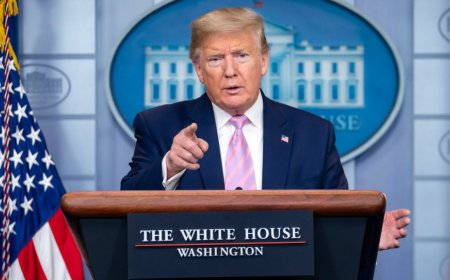
That concern has intensified under US President Donald Trump, who since returning to office has made reducing Washington's reliance on Chinese critical minerals a national security priority, including by promoting domestic mining and processing. From January 2027, the US military will ban the use of tungsten sourced from China, Russia, Iran and North Korea.
Other Western users are moving in the same direction. The European Union has shortlisted tungsten for its first joint critical minerals stockpile, aimed at reducing reliance on China.
The semiconductor connection
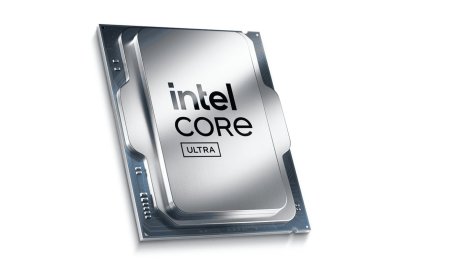
Tungsten's strategic value is not limited to defence and heavy industry. The metal is also embedded in modern electronics: tungsten hexafluoride is used in semiconductor manufacturing, and EQ Resources has noted that the chips powering artificial intelligence systems need four to five times the density of the compound used in conventional chips. As AI hardware demand grows, so does the strategic importance of a secure tungsten supply.
Australia leads the Western response
Companies like EQ Resources are planning to boost output of tungsten trioxide (WO3), which is produced at mines before being refined into APT and then processed into end products. EQ produced 28,280 metric ton units (mtu) of WO3 at its Mount Carbine mine in Queensland in the 2026 fiscal year, and output is rising fast, with 17,145 mtu produced in the quarter ended September 30. A metric ton unit is equal to 10 kilograms, or 1% of a metric ton.
EQ is not the only Australian miner moving. Group 6 Metals reopened the Dolphin tungsten mine on Tasmania's King Island in 2023, after it had been closed since 1992.
Much of this activity is being driven by market forces, though some is supported by financing from the US government and the EU. Rising demand is improving the economics for tungsten miners and refiners and attracting private investor interest, including from Australian mining billionaire Andrew Forrest, who invested in July.
No quick fix — the bottleneck is refining
None of this means Western countries will shrink their dependence quickly. The bottleneck is less in mine supply and more in refining capacity, because new processing facilities take time to build.
"Even as new mines come online, there is limited refining capacity outside China to process the additional feedstock. Several ex-China APT projects are in the pipeline, but building the necessary technical expertise and processing capacity will take years," Project Blue research analyst Janine le Roux told Reuters.
The West will therefore remain reliant on China for tungsten to some extent for a while. But the direction of travel is now clear. Reducing reliance on China cannot happen overnight — but it is happening, and tungsten shows that it can be done.
This article is based on a Reuters Open Interest commentary column by Clyde Russell, published on November 21, 2026. The views in the column are those of the author.
Related reading: Nvidia fallout throws spotlight on Southeast Asia's AI boom
Sources
- Reuters Open Interest — "The West challenges China's critical minerals dominance with unglamorous tungsten", by Clyde Russell, November 21, 2026 (syndicated via Devdiscourse)
- EQ Resources / Mining.com.au — tungsten's role in semiconductor manufacturing and AI chips
What's Your Reaction?
 Like
0
 Dislike
0
 Love
0
 Funny
0
 Angry
0
 Sad
0
 Wow
0