


































































US Senate Passes E-Bike Battery Safety Bill After Deadly New York Fires
The US Senate has unanimously passed the Setting Consumer Standards for Lithium-Ion Batteries Act, sending federal e-bike battery safety standards to President Donald Trump's desk after a deadly run of lithium-ion battery fires in New York City.

US Senate Passes E-Bike Battery Safety Bill After Deadly New York Fires
Federal safety standards for the lithium-ion batteries that power e-bikes and e-scooters are now one signature away from becoming law in the United States. The Senate passed the Setting Consumer Standards for Lithium-Ion Batteries Act by unanimous consent on Thursday, November 19, sending the House-passed bill to President Donald Trump for his signature.
The vote came after a grim run of fires in New York City, where lithium-ion batteries have ignited a record 406 fires so far in 2026, up from 241 in the same period last year, according to Fire Department figures cited by the City Council. Two fires in recent weeks alone killed 10 people.
As of November 21, no presidential signing had been confirmed. If Trump signs the bill, the Consumer Product Safety Commission will have 180 days to put mandatory safety standards in place.
What the bill would do
The legislation, known in Congress as H.R. 973, directs the Consumer Product Safety Commission to adopt binding safety standards for lithium-ion batteries and the electrical systems of e-bikes, e-scooters and other micromobility devices. The standards are built on three established industry benchmarks: UL 2849 for e-bike electrical systems, UL 2272 for personal e-mobility devices and UL 2271 for lithium-ion batteries in e-mobility vehicles.
Once those standards take effect as a federal consumer product safety rule, regulators would be able to halt the sale, distribution and import of batteries and devices that do not comply. That enforcement power is aimed squarely at the cheap, uncertified batteries sold online that fire officials blame for many of the blazes.
The commission has been moving in this direction on its own. It published a proposed rule covering lithium-ion batteries in micromobility products on June 24, 2026, but that rule has not been finalised. Supporters say the new law would force the agency to finish the job on a fixed deadline.
The fires that forced the vote
The push for the bill hardened after three deadly fires in New York in the space of a few weeks. On October 28, an e-bike battery ignited in an apartment in a public housing project in the Mott Haven neighbourhood of the Bronx, killing four people, including an 11-year-old boy. Fire Commissioner Lillian Bonsignore said at the time that the e-bike was parked near the doorway, blocking the family's escape.
About a week later, on November 5, a fire in a residential building in Sunset Park, Brooklyn, killed six people and injured at least seven. Investigators have not yet determined the cause, but fire officials said two charred e-bikes were removed from the building and batteries were found in the debris.
A third fire, in Colonie on November 13, killed two more people, according to Senator Kirsten Gillibrand's office, which listed all three among recent deadly fires with possible or confirmed links to faulty lithium-ion batteries.
The toll is not new. The Fire Department of New York says lithium-ion batteries have caused 46 deaths and 628 injuries in the city since it began recording the figures in 2019. Nationally, a commission staff report published in April linked lithium-ion battery fires involving micromobility products to 45 deaths from 2017 through 2024, 19 of them tied to e-bikes, 15 to e-scooters and 11 to self-balancing scooters or hoverboards. The agency cautions that its data for recent years is likely incomplete.
New York City weighs tougher local rules
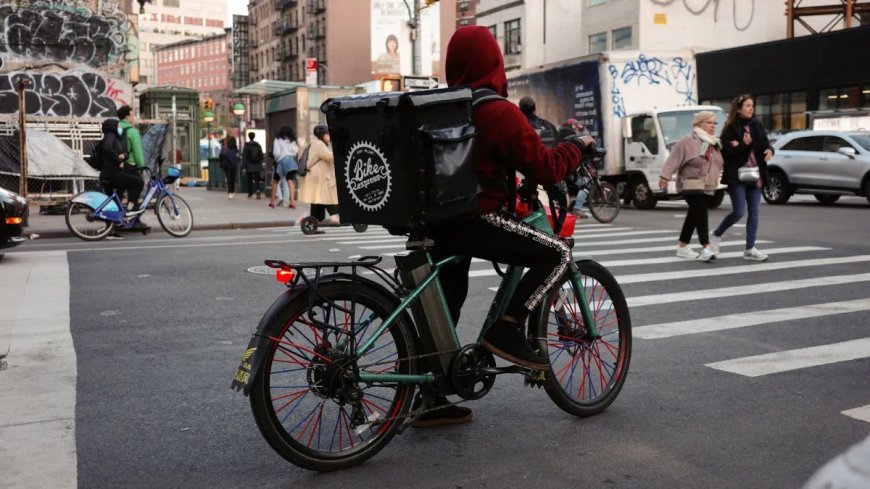
The day after the Senate vote, the New York City Council held an emergency hearing on a package of seven local bills that would go further than the federal measure. The three-hour session on Friday, November 20, examined proposals that would make it a crime to possess or use batteries that do not meet safety standards, ban storing batteries inside apartments, require delivery companies to give riders fireproof containers for charging removable batteries, and penalise the sale of unsafe or second-use batteries.
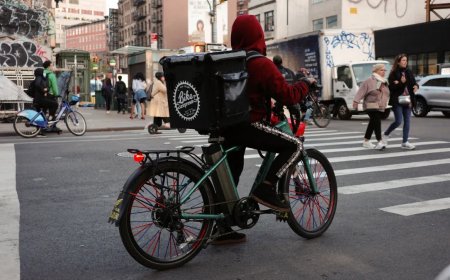
It is unclear whether the measures will advance. Officials in Mayor Zohran Mamdani's administration, including from the Fire Department, criticised the proposals, saying they would penalise everyday riders and low-income delivery workers. Commissioner Bonsignore told the hearing the administration had significant concerns about unintended consequences that would fall most heavily on delivery workers, many of them immigrants with limited English, who could lose the device they use every day to make a living.
Fire officials told the hearing that ageing batteries are a growing part of the problem. Many of the batteries now failing were bought before 2023, when the city began requiring certification for e-mobility devices sold or leased locally, and years of daily charging have worn them down.
A long road to the Senate floor
The bill's passage ends years of stalled attempts. It was first introduced in March 2023 and passed the House twice, most recently on April 28, 2025, by a vote of 365 to 42. A single-senator hold had kept it off the Senate floor until Senator Gillibrand, the lead sponsor, requested unanimous consent on Thursday, and the bill passed with support from both parties.
Gillibrand and Senate Democratic Leader Chuck Schumer sponsored the measure in the Senate, while Representative Ritchie Torres of the Bronx carried it in the House. Republican Senators Marsha Blackburn and Deb Fischer were among its co-sponsors, and consumer groups including Consumer Reports and UL Standards and Engagement urged the president to sign it without delay.
"We have lost far too many New Yorkers due to underregulated lithium-ion batteries," Gillibrand said after the vote. "Passing this bill is an important step in preventing future fires. I urge the president to immediately sign this bill into law."
What happens next
If the bill is signed, the 180-day clock starts for the safety commission to issue its mandatory standard. Until then, nothing changes on the ground: the Senate vote itself puts no new battery rules into effect, and the commission's June proposal remains unfinished.
Other countries have taken different approaches to the same problem. Britain, for instance, has focused on sellers of batteries and devices, pressing online marketplaces to remove unsafe products from sale. The American bill takes the federal standards route instead, betting that a single national rule will do what a patchwork of city laws has not: keep uncertified batteries out of homes, hallways and bedrooms in the first place.
Sources
- Reuters, "As e-bike battery fires mount, NY weighs tougher rules," November 21, 2026
- Office of Senator Kirsten Gillibrand, "Gillibrand, Schumer Pass Lithium-Ion Battery Bill To Prevent Future Deadly Fires," November 19, 2026
- Consumer Reports, "Bill to Prevent Battery Fires and Make E-Bikes, E-Scooters Safer Passes Senate, Heads to President's Desk," November 2026
- UL Standards and Engagement, "Setting Consumer Standards for Lithium-Ion Batteries Act," updated November 20, 2026
- Electric Bike Explorer, "Senate Passes E-Bike Battery Safety Bill: What's Next?" November 2026
What's Your Reaction?
 Like
0
 Dislike
0
 Love
0
 Funny
0
 Angry
0
 Sad
0
 Wow
0