



































































India Blocked 129 Betting Sites on Court Orders That Did Not Exist — and Police Are Now Investigating
India's government ordered internet providers to block 129 illegal betting websites this year based on two state high court orders that Reuters found were fake. The Allahabad High Court has filed a police complaint, a forgery and cheating investigation has been opened, and neither order appears in the courts' online records. Who created the orders is unknown.
India Blocked 129 Betting Sites on Court Orders That Did Not Exist — and Police Are Now Investigating
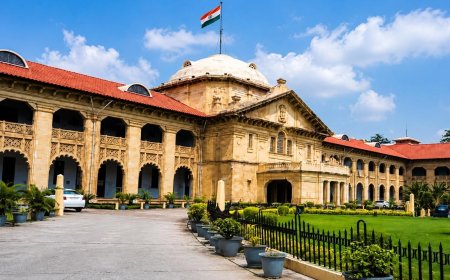
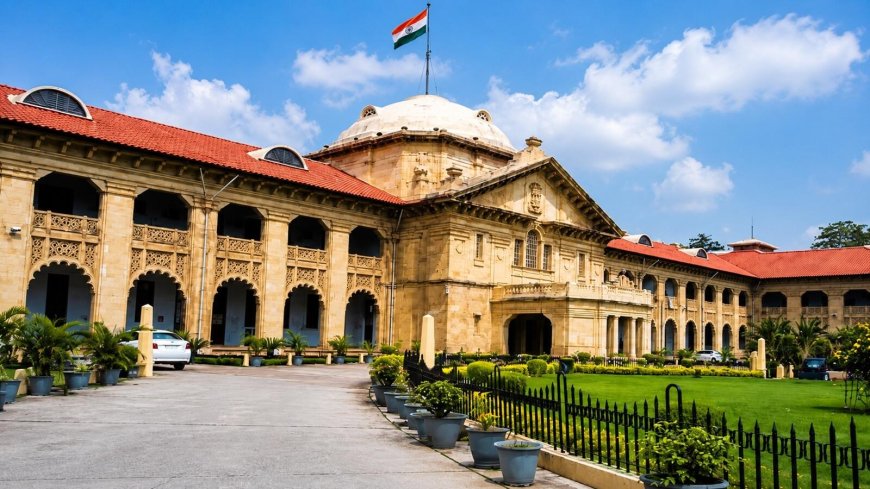
India's government ordered internet providers to block 129 illegal betting websites this year — based on two state high court orders that did not exist. Reuters found that the orders, supposedly issued by the high courts of Rajasthan and Allahabad, were fake: neither appears in the courts' online records, and the Allahabad High Court has now filed a police complaint.
It is a case that raises uncomfortable questions about how the world's largest democracy polices the internet — and about who can forge a court order and get the government to act on it.
What happened
India's Department of Telecommunications (DoT) issued directions to internet service providers to block the 129 websites on 21 July and 2 September, citing court orders from the Rajasthan and Allahabad High Courts. The sites were illegal betting platforms, which India has been cracking down on.
Reuters checked the courts' records and found neither order exists. The Allahabad High Court filed a police complaint on 6 November, and a forgery and cheating investigation has been opened. The Rajasthan order is also missing from that court's records.
Who made the orders — and why
Nobody knows who created the fake orders, or why. One possibility is that someone with an interest in the betting sites — a competitor, or someone who wanted them shut down for their own reasons — forged the orders to get the government to do it for them. Another is that the orders were created by someone inside the system who wanted the sites blocked and did not want to wait for a real court process.
Either way, the case shows a gap in the system: the DoT acted on the orders without verifying them against the courts' records. The directions were issued, the sites were blocked, and nobody checked whether the court orders were real until Reuters asked.
Why it matters
The case matters for two reasons. First, it shows how easily the machinery of internet censorship can be manipulated: if a forged court order can get 129 websites blocked, the same trick could be used to block news sites, political content or anything else. Second, it raises questions about the DoT's verification process — and about whether other takedown orders, issued on the basis of documents nobody has checked, are also fake.
India blocks more websites than almost any other democracy, and the system relies on trust: trust that the orders are real, trust that the courts issued them, trust that the process is followed. This case breaks that trust, and the police investigation now under way will need to answer the basic question: who forged the orders, and how did they get the government to act on them?
Sources
What's Your Reaction?
 Like
0
 Dislike
0
 Love
0
 Funny
0
 Angry
0
 Sad
0
 Wow
0