










































How a Blacklisted Chinese University Got Its Hands on Nvidia's H200 AI Chips
Northwestern Polytechnical University in China, blacklisted by the US since 2001, bought two Nvidia H200 chips last month for 874,700 yuan ($123,000) each. Procurement records show it also rented H200, A100 and A800 access through five contracts, and it is part of a wider pattern across 26 procurement records. Three Republican committee chairmen have now asked Nvidia chief executive Jensen Huang for a briefing.
How a Blacklisted Chinese University Got Its Hands on Nvidia's H200 AI Chips
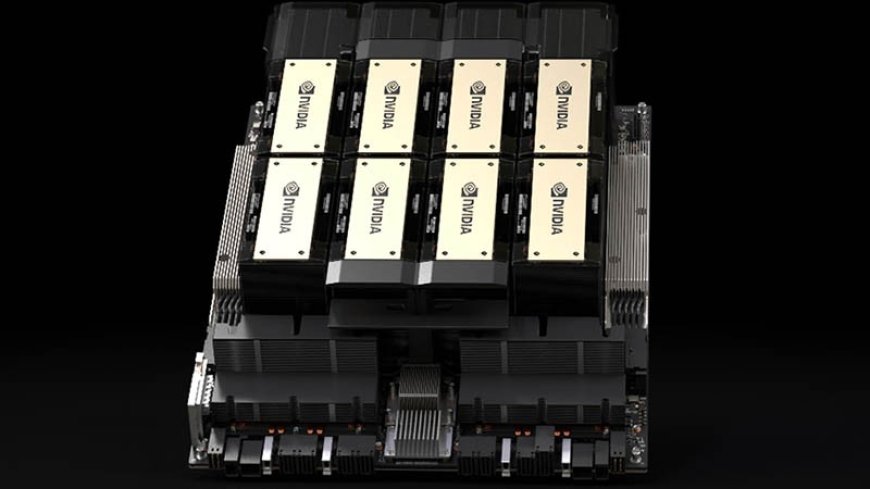
A Chinese university that the United States has blacklisted since 2001 bought two of Nvidia's most powerful AI chips last month — and paid the full price for them. Northwestern Polytechnical University, in Xi'an, bought two Nvidia H200 chips for 874,700 yuan ($123,000) each, according to a procurement record dated 21 October. The university is on the US Entity List, which bars American companies from supplying it without a licence.
The purchase is not an isolated case. Reuters found 26 procurement records showing the university buying or renting restricted Nvidia hardware and access, and the pattern raises a direct question about how well US export controls are working.
What the university bought
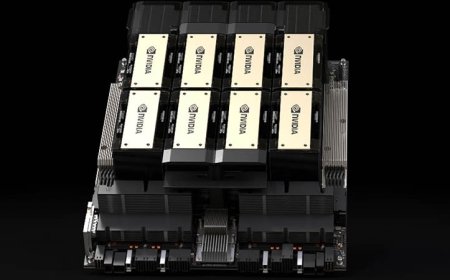
The university, which is affiliated with China's military, bought the two H200 chips outright in October. It also signed five contracts between December 2025 and October 2026 to rent access to H200, A100 and A800 chips. The H200 is one of Nvidia's most advanced AI accelerators; the A100 and A800 are earlier models that are also restricted.
The records do not say who sold the chips to the university, or how they reached China. The university did not respond to Reuters' requests for comment, and Nvidia declined to comment on the specific purchase.
Why this matters to Washington
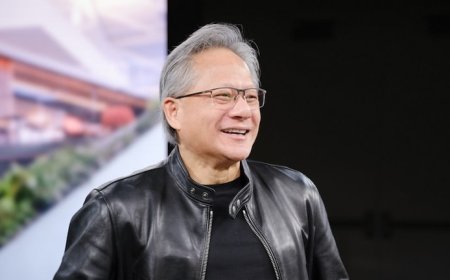
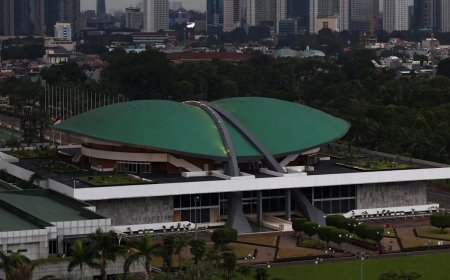
Three Republican committee chairmen in the US Congress have now written to Nvidia chief executive Jensen Huang, asking for a briefing on the matter by 18 November. The letter, from the chairmen of the House Foreign Affairs, Financial Services and Armed Services committees, asks how the chips reached a blacklisted entity and what Nvidia is doing to prevent it happening again.
The case lands at an awkward moment for Nvidia. The company has been lobbying Washington to ease export controls, arguing that restrictions push Chinese customers towards domestic chipmakers. Critics of that position point to cases like this one and argue the controls are not being enforced tightly enough.
The university is not the only buyer. Reuters' wider review of procurement records found a pattern of Chinese institutions linked to the military acquiring restricted Nvidia hardware through third parties, often through rental arrangements that are harder to trace than outright purchases.
The wider export-control problem
The US has tightened controls on advanced AI chips to China repeatedly since 2022, adding new chip models and closing loopholes as they appear. But enforcement has always been the weak link: chips are small, valuable and easy to move, and a rental contract can give a blacklisted entity access to computing power without any chip changing hands.
That is the gap this case exposes. The university did not need to smuggle chips across a border — it bought them, and it rented the rest. Until the supply chain between Nvidia's distributors and the end user is policed more closely, similar purchases are likely to keep appearing in procurement records.
For the broader context on Nvidia's position in Washington, our report on the US investigation into Nvidia's chip sales covers the Justice Department probe, and our report on the reaction in Taiwan covers how the affair has played out across the region.
Why it matters
This is not a story about a single university buying two chips. It is a test of whether the most ambitious export-control regime in modern history can actually keep advanced AI hardware out of the hands of blacklisted military-linked institutions. Two H200s will not build a frontier AI model on their own, but 26 procurement records suggest a system, not an accident — and Washington's response, starting with the 18 November briefing, will show whether the controls get tighter or stay as they are. For Nvidia, the stakes are high: the company wants to keep selling to China, and every case like this one makes that harder.
Sources
What's Your Reaction?
 Like
0
 Dislike
0
 Love
0
 Funny
0
 Angry
0
 Sad
0
 Wow
0