































































Australia's Internet Safety Regulator Warns That a New Online Duty-of-Care Bill Could Open the Door to Censorship
Australia's eSafety Commissioner has warned that the government's proposed Digital Duty of Care for tech companies risks becoming a backdoor to censorship, telling a Senate hearing that the bill's broad language could be used to suppress legitimate content.
Australia's Internet Safety Regulator Warns That a New Online Duty-of-Care Bill Could Open the Door to Censorship
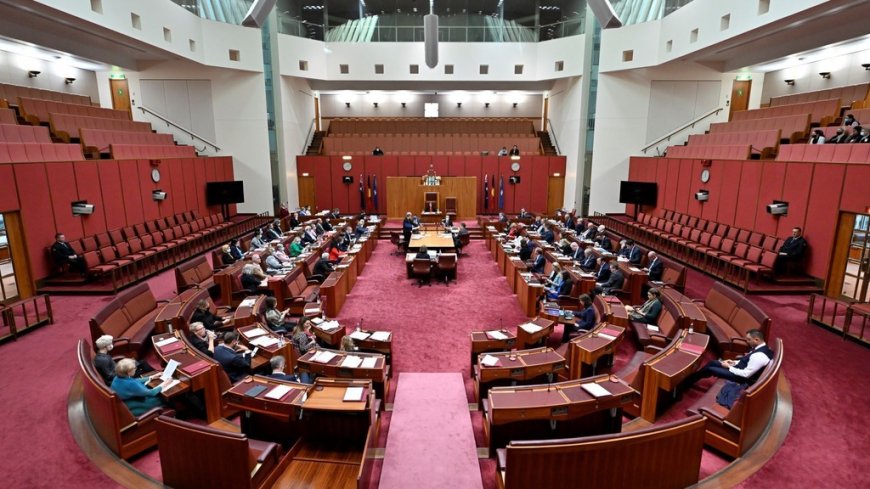
Australia's internet safety regulator has warned that a proposed new duty of care for tech companies could open the door to censorship, telling a Senate hearing that the bill's broad language risks being used to suppress legitimate content.
eSafety Commissioner Julie Inman Grant said the Digital Duty of Care, which would require platforms to take "reasonable steps" to prevent foreseeable harm, was "a significant departure" from the existing online safety regime and could have unintended consequences for free expression.
"The bill as drafted is very broad," Inman Grant told the Senate environment and communications references committee on Tuesday. "There is a risk that it could be used to censor lawful content, and that is something we need to be very careful about."
What the bill would do
The bill, introduced by the government in October, would impose a statutory duty of care on designated digital services, requiring them to take reasonable steps to prevent foreseeable harm to users. It would apply to social media platforms, search engines, messaging services and other online services with more than 100,000 Australian users.
Companies that breach the duty could face fines of up to A$109 million, or 10% of their Australian turnover, whichever is greater. The regulator would also be able to issue directions to companies to take specific action to address harm.
The government says the bill is needed to address harms including online abuse, misinformation and the spread of violent extremist content. Communications Minister Anika Wells has said the duty of care is "a commonsense reform" that will make the internet safer for Australians.
The regulator's concerns
But Inman Grant said the bill's definition of "harm" was too broad and could capture content that is lawful but controversial. She said the regulator's existing powers under the Online Safety Act were already sufficient to deal with the most serious online harms.
"We already have a robust set of powers," she said. "What we need is more resources to enforce them, not a new and untested duty of care that could have unintended consequences."
Inman Grant also raised concerns about the bill's interaction with the existing Online Safety Act, saying the two regimes could create confusion and duplication for both the regulator and the companies it oversees.
Google's warning
The hearing also heard from Google, which warned that the bill could have "significant unintended consequences" for the way Australians use the internet. Google's submission to the inquiry said the duty of care was "unworkable" in its current form and could force the company to restrict access to some of its services in Australia.
Google said it was particularly concerned about the bill's application to Gmail, which it said could be forced to scan users' emails for harmful content. The company said it had already warned the government that the bill could lead to the "degradation" of its services in Australia.
Meta, which owns Facebook and Instagram, also raised concerns about the bill, saying it could lead to "over-removal" of content as companies sought to avoid the risk of massive fines.
What happens next
The Senate committee is due to report on the bill by December 2. The government has said it wants the bill passed before the end of the year, but the regulator's intervention is likely to fuel debate about whether the legislation needs to be amended.
The bill has also drawn criticism from free speech advocates, who say it could be used to suppress political debate and dissent. The Australian Human Rights Commission has said the bill "raises significant human rights concerns" and should be "substantially amended" before it is passed.
For now, the government shows no sign of backing down. Wells said on Tuesday that the bill was "an important reform" and that the government would "continue to work with stakeholders" to address their concerns.
Sources
What's Your Reaction?
 Like
0
 Dislike
0
 Love
0
 Funny
0
 Angry
0
 Sad
0
 Wow
0