





















































Meta and TikTok Join Google in Opposing Indonesia's Plan to Charge Platforms for News Links and Regulate AI
Meta and TikTok have joined Google at an Indonesian parliamentary hearing in opposing proposed copyright law revisions that would require platforms to pay publishers for displaying news content and set rules for AI. If passed, Indonesia would be the first Southeast Asian country to write AI into its copyright law.
Meta and TikTok Join Google in Opposing Indonesia's Plan to Charge Platforms for News Links and Regulate AI
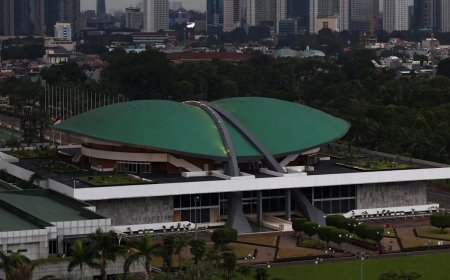
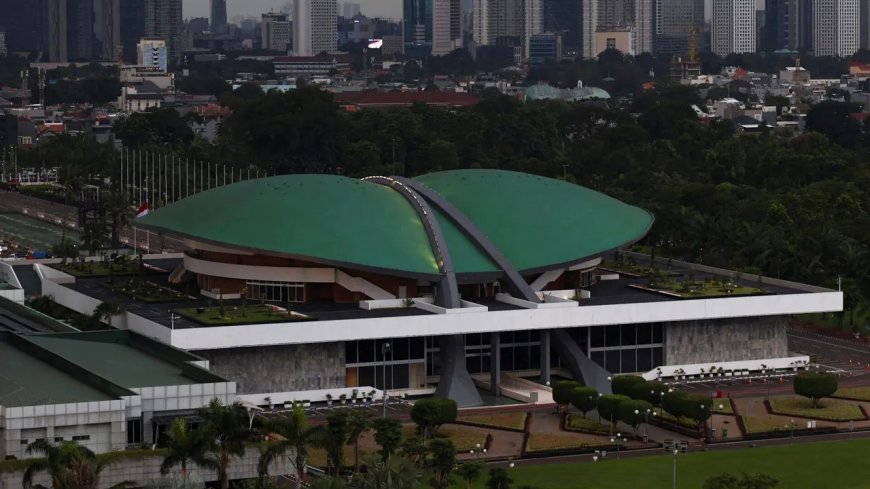
Meta and TikTok have joined Google in pushing back against Indonesia's planned copyright law revisions, which would require platforms to pay publishers for displaying news content and set rules for artificial intelligence. The three companies made their case at a parliamentary hearing in Jakarta on 11 November, arguing the proposals would harm the country's digital economy.
If the revisions pass, Indonesia would become the first country in Southeast Asia to write AI into its copyright law — and one of the first in the world to charge platforms for linking to news.
What Indonesia is proposing
The revisions to Indonesia's copyright law would require digital platforms to pay news publishers when they display or link to their content. The idea is similar to laws already passed in Australia and Canada, where platforms negotiate payments with publishers — or face government-imposed arbitration if they cannot agree.
The proposals also include rules for AI: how AI systems can use copyrighted material to train, and what happens when AI generates content based on protected work. The details are still being debated in parliament, and the final text has not been settled.
Why the platforms oppose it
Google, Meta and TikTok argue that charging for links would break the basic economics of the internet. Their position is that links drive traffic to publishers — the publishers benefit from the exposure — and that paying for the privilege of sending readers to a news site makes little sense. They also warn that the rules could lead platforms to reduce the amount of news they show in Indonesia, which would hurt publishers more than it helps them.
The AI rules are a separate concern. The platforms say that overly broad restrictions on training data would slow AI development in Indonesia, and that the country risks falling behind if its rules are stricter than those of its neighbours. Indonesia is Southeast Asia's largest digital market, with more than 200 million internet users, so the stakes are high for everyone involved.
What happens next
The hearing is part of a longer legislative process, and the revisions are not yet law. Parliament will continue debating the proposals, and the platforms are likely to keep lobbying against them — as they did in Australia and Canada, where similar laws passed despite their opposition. In Australia, the law led to deals worth hundreds of millions of dollars between platforms and publishers; in Canada, Meta responded by blocking news links entirely.
Indonesia's decision will be watched closely across Southeast Asia. If the country passes the law, other governments in the region may follow — and the platforms will have to decide whether to pay, to negotiate, or to pull back from news in the region altogether.
Why it matters
This is a fight about who pays for news on the internet, and it is spreading. Australia and Canada have already chosen one answer; Indonesia is deciding whether to join them. The AI element makes it bigger: this is not just about links, but about whether a country can set the rules for how AI learns from the work of its writers, artists and journalists. The platforms say the proposals will hurt Indonesia's digital economy. The publishers say the platforms have been profiting from their work for free for too long. Both sides have a point — and the outcome will shape how news and AI work in Southeast Asia for years.
Sources
What's Your Reaction?
 Like
0
 Dislike
0
 Love
0
 Funny
0
 Angry
0
 Sad
0
 Wow
0