































































RBA's Hunter Says AI Has Yet to Lift Productivity or Trigger Job Losses
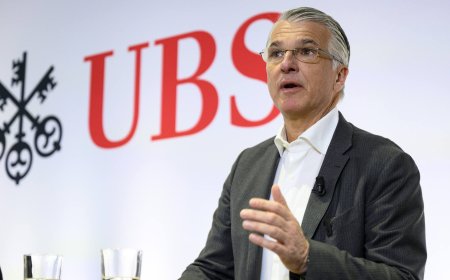
A senior Australian central banker said on Monday there was limited evidence that artificial intelligence had meaningfully lifted productivity and caused widespread job losses, but warned the technology could pose growing risks to financial stability. Speaking at a UBS conference in Sydney, Reserve Bank of Australia Assistant Governor Sarah Hunter judged the impact from AI on inflation would likely vary over time, initially boosting demand and adding to price pressures at a time when the economy was supply constrained. She also warned of the possibility AI could increase risks to financial stability, with asset prices exposed to sharp repricing or even disorderly adjustments if AI investment returns fall short of expectations.
RBA's Hunter Says AI Has Yet to Lift Productivity or Trigger Job Losses
A senior Australian central banker said on Monday there was limited evidence that artificial intelligence had meaningfully lifted productivity and caused widespread job losses, but warned the technology could pose growing risks to financial stability. Speaking at a UBS conference in Sydney, Reserve Bank of Australia Assistant Governor Sarah Hunter judged the impact from AI on inflation would likely vary over time, initially boosting demand and adding to price pressures at a time when the economy was supply constrained.
The productivity promise is still unproven
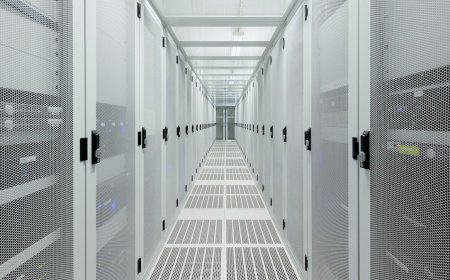
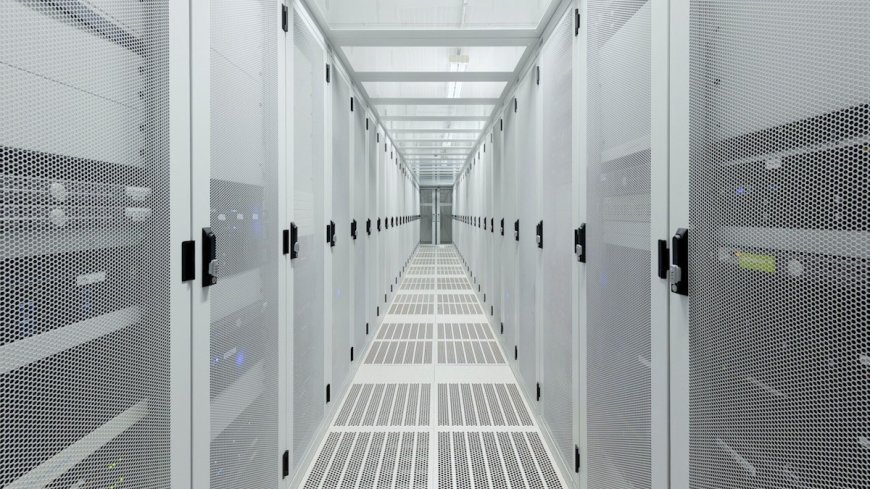
Hunter said there was limited evidence AI has materially lifted productivity and that AI has had large effects on employment. AI is helping people finish some tasks faster, but that has not yet translated into clear gains across the economy, Hunter said in her speech to the UBS Australasia Conference, titled "What Happens to the Economy as 'Intelligence' Gets Cheaper?" If AI delivers broader productivity gains, economies will be able to produce more with the same inputs. Hunter cited estimates of AI's contribution to annual productivity growth over the next decade ranging from 0.1% to more than 2%. The Reserve Bank of Australia has increased its data centre investment expectations 10-fold in just three years as it undertakes research to estimate AI's impact.
Inflation first, relief later — maybe
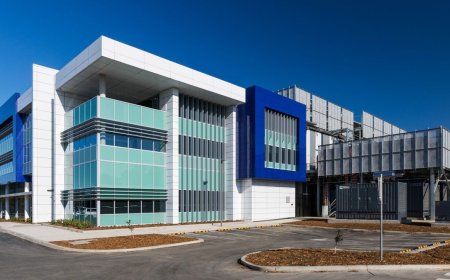
On inflation, Hunter judged the impact from AI would likely vary over time. Data centre investment is adding to Australian demand pressures, and the central bank has raised interest rates five times this year to 4.85 per cent, an 18-year high. "Over time, supply will catch up with demand as data centre capacity and related sectors expand, easing current bottlenecks," Hunter said. The RBA expects AI's long-term inflation impact to remain broadly neutral, even as the technology causes significant changes in employment patterns.
Tentative signs in the jobs market
"However, there are tentative signs of adjustment, through weaker job ad posting and employment outcomes in more AI-exposed occupations, and stronger growth in areas where the technology has had less of an impact, particularly for younger workers," Hunter said. Workers facing declining demand for their roles could lose income, so the consumption response depends partly on how widely AI's benefits are shared. Hunter also warned of the possibility AI could increase risks to financial stability, with asset prices exposed to sharp repricing or even disorderly adjustments if AI investment returns fall short of expectations. AI infrastructure is already lifting investment and demand, while economy-wide productivity gains remain unproven.
Sources
What's Your Reaction?
 Like
0
 Dislike
0
 Love
0
 Funny
0
 Angry
0
 Sad
0
 Wow
0