

















































Apple Still Charges Three Times Its Cost for iPhone 18 Pro Storage, WSJ Analysis Finds
A Wall Street Journal analysis estimates the extra flash memory in the iPhone 18 Pro's 256GB-to-1TB upgrade costs Apple about $192, while buyers pay $600 — more than three times as much. The markup has narrowed sharply from the iPhone 17 Pro, when the same step cost Apple $42 against a $400 charge, as memory prices climb. Apple has warned the higher memory costs will weigh on its holiday-quarter margins.
Apple Still Charges Three Times Its Cost for iPhone 18 Pro Storage, WSJ Analysis Finds
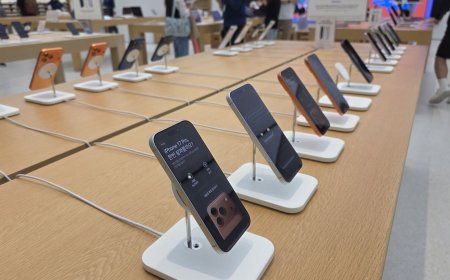
Moving an iPhone 18 Pro from 256GB to 1TB of storage costs buyers $600 in the United States, while the extra flash memory is estimated to cost Apple about $192, according to an analysis by the Wall Street Journal. That is more than three times Apple's estimated direct cost — a gap of about $408 on a single configuration choice. The same step costs £600 in the UK, €750 in Germany and ₹75,000 in India. These are the Journal's estimates, based on component-cost figures from research firm TechInsights. Apple has never disclosed what it pays for flash memory, and it has not confirmed any of these numbers.
The markup has narrowed sharply since last year
The striking part of the analysis is not just the size of the markup, but how much it has shrunk. With the iPhone 17 Pro, the same 256GB-to-1TB step cost buyers $400, and the Journal's analysis put Apple's cost at $42 — almost a 1,000 percent markup. This year the buyer's price rose to $600, but Apple's cost jumped far more, from $42 to $192. The gap between what Apple pays and what it charges grew from about $358 to about $408, yet the markup fell from roughly 8 to 12 times cost to about three times. The lower step tells the same story: moving from 256GB to 512GB costs buyers $200, against an estimated Apple cost of $66, while the 2TB model costs $1,200 more than the 1TB model against an estimated cost of about $450. Apple's US prices for the iPhone 18 Pro run from $1,199 for 256GB to $2,399 for 2TB.
Memory prices are the reason
Apple's costs have climbed because memory prices have climbed. Demand from AI data centres means Apple can no longer negotiate the low memory prices it once did, and the company said in its most recent earnings report that even after its price increases, its margins are being squeezed by higher component costs. Apple warned that memory costs will reduce its holiday-quarter profit margins, and finance chief Kevan Parekh said that, once tariff refunds are removed from the June and September quarters, both company and product gross margin would be down about a point sequentially, primarily driven by higher memory costs, with the pressure not expected to ease anytime soon. To be fair to Apple, some of the criticism about its storage premiums has not always compared like with like — the SSDs used in Macs, for example, are very much faster than the lower-spec third-party storage cards people typically cite. And the $408 gap is a component-level gross profit estimate, not a measure of Apple's net profit after other expenses. Even so, the Journal's numbers suggest buyers are still paying roughly three times what the storage itself costs Apple.
Sources
- 9to5Mac — Apple still making 300% profit on iPhone storage upgrades, says WSJ
- Gadgets360 — Apple Charges More Than Three Times Its Cost for iPhone 18 Pro Storage Upgrade: Report
What's Your Reaction?
 Like
0
 Dislike
0
 Love
0
 Funny
0
 Angry
0
 Sad
0
 Wow
0