



































































California Bans Waymo Robotaxis From Freeways After Construction-Zone Incidents
California's Department of Motor Vehicles has barred Waymo's driverless cars from state freeways, calling them an "imminent hazard to public safety" after robotaxis entered a closed construction zone on US 101 and tried to bypass a highway patrol traffic break. Waymo has paused freeway rides nationwide while its street-level service continues.
California Bans Waymo Robotaxis From Freeways After Construction-Zone Incidents
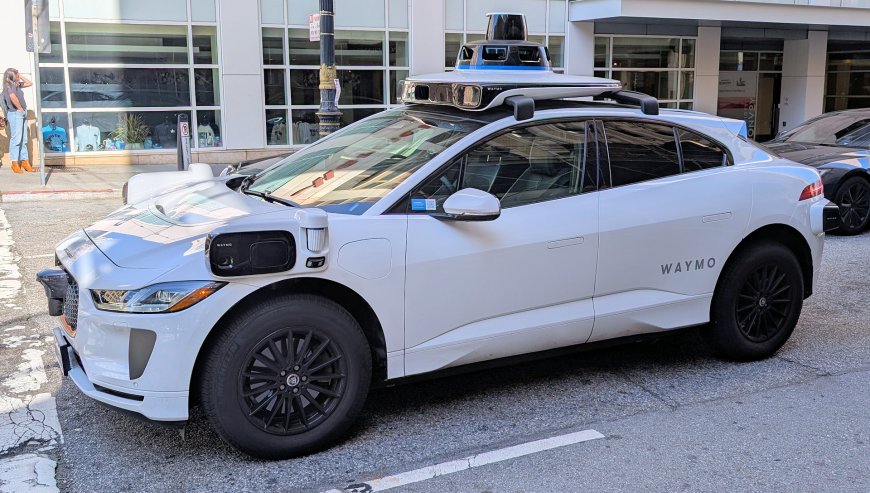
Waymo's driverless cars are off the freeway — in California by order, and everywhere else by the company's own decision. California's Department of Motor Vehicles has barred the Alphabet-owned company from operating or testing its driverless vehicles on state freeways, describing the robotaxis' freeway driving as an "imminent hazard to public safety" after a pair of incidents in early November. Waymo complied the same day and went further, pausing commercial freeway rides in every US market where it offered them, while its street-level service keeps running.
The order was issued on Wednesday, November 11, 2026, but was not made public until Tuesday, November 17, when the San Francisco Business Times first reported it. Reuters and other outlets confirmed the restriction the same day.
What happened on US 101 and Highway 280
The DMV's action followed two incidents a day apart. On November 5, three Waymo robotaxis entered an active construction closure on US Route 101 near Burlingame, south of San Francisco, driving into an area where road workers, vehicles and equipment were present. The following day, a Waymo vehicle on Highway 280 in San Francisco was filmed trying to drive around California Highway Patrol vehicles that were conducting a traffic break — a manoeuvre used to slow or stop traffic. The video circulated widely on social media last week.
Waymo says neither encounter involved any injuries or collisions. That did not stop the regulator from acting. In a statement, the DMV said it had determined that Waymo's driverless freeway operations pose an imminent hazard "due to recurring incursions by its vehicles into active construction zones where construction workers, vehicles and equipment are present, despite a prior restriction and corrective actions implemented following similar incidents that occurred on May 18, 2026."
A nationwide pause, not just a California one
The California restriction covers driverless operations and testing on the state's freeways only. But Waymo chose to extend the pause itself. The company has temporarily restricted commercial freeway rides in all of the markets where it offered them — the San Francisco Bay Area, Los Angeles, Phoenix, Miami and Austin — to evaluate its performance. Freeway testing continues, but only with trained autonomous specialists behind the wheel.
"Safety is at the foundation of everything we do," Waymo spokesperson Dana Gallagher said in a statement. "Following recent freeway construction zone encounters on U.S. 101 in California that did not involve any injuries or collisions, the California DMV has implemented an operating restriction on freeway operations in the state. In alignment with our safety-first principles, we have also temporarily restricted freeway operations across our other operating markets to evaluate our performance."
Gallagher added that the ride-hailing service continues to operate safely on surface streets, serving more than half a million trips each week, and that Waymo is working with the California DMV and other state officials to resume freeway operations. Waymo currently has commercial operations in 15 US cities.
The second freeway halt this year
Freeway access has been central to Waymo's expansion. The company began offering freeway rides in late 2025, a milestone that let it connect riders to airports and other destinations far more quickly — particularly in the Bay Area, where its service area stretches from San Francisco south to Silicon Valley, and freeway trips across the Peninsula cut journeys that previously took 45 minutes or more.
This is the second time in 2026 that the company has pulled its cars off highways over construction zones. In May, Waymo abruptly stopped operating on freeways after social media posts showed robotaxis driving through traffic cones and struggling to navigate roadwork. It recalled nearly 3,800 vehicles in June for a software update meant to improve performance around freeway construction zones, and phased freeway service back in from July, starting in the Phoenix area. The November incidents suggest that fix did not fully solve the problem.
The ban also lands in a difficult week for the company's safety record. Federal regulators have already opened a separate recall query into Waymo after its vehicles were reported passing stopped school buses, a case covered earlier by Innopark IT.
What happens next
There is no timeline for a return to the freeway. The DMV said the restrictions will remain in place until Waymo demonstrates that it has taken "effective corrective actions" to address the deficiencies that led to them — in practice, proof that its system can reliably recognise roadwork zones and respond to temporary traffic restrictions.
For riders, the practical effect is immediate: airport trips in the Bay Area, which have relied on freeway routing since Waymo began serving San Francisco International Airport in January, are back to surface streets for now. Whether the company's next software fix convinces California's regulators this time will decide how long that lasts.
Sources
- Reuters — "Waymo pauses robotaxi rides on US freeways after California ban" (Abhirup Roy, November 18, 2026)
- TechCrunch — "Waymo suspends freeway rides nationwide after California DMV order" (November 17, 2026)
- Associated Press — "California bans Waymo autonomous vehicles from state freeways, saying they pose an 'imminent hazard'" (November 17, 2026)
- The Register — "California tells Waymo to take the next exit after freeway mishaps" (November 18, 2026)
What's Your Reaction?
 Like
0
 Dislike
0
 Love
0
 Funny
0
 Angry
0
 Sad
0
 Wow
0













