















































NHTSA Probes Waymo After School Bus Passes Continued Despite Software Fix
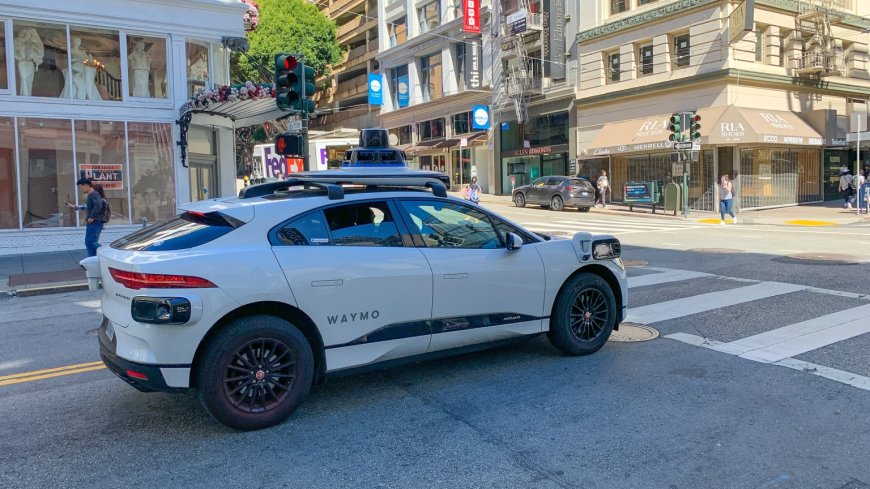
The US National Highway Traffic Safety Administration has opened a recall query covering 2,895 Waymo robotaxis after finding that most reported school bus passes happened after Waymo said its November 2025 software fix was complete. The agency will now assess whether the remedy for the December 2025 recall actually worked.
NHTSA Probes Waymo After School Bus Passes Continued Despite Software Fix
Nearly a year after Waymo recalled thousands of its robotaxis over school bus safety, federal regulators are asking an uncomfortable question: did the fix actually work? The National Highway Traffic Safety Administration (NHTSA) has opened a new investigation into Waymo after finding that most of the reported incidents happened after the company said its software remedy was complete.
NHTSA's Office of Defects Investigation opened recall query RQ26006 on November 6, 2026, covering 2,895 Waymo vehicles equipped with the company's fifth-generation automated driving system. The agency said it will assess whether the remedy for Waymo's December 2025 recall was adequate and identify the causes of the reports that followed it. Reuters was first to report the filing, on November 9.
What a recall query is — and what it is not
A recall query is not a recall. It is a specific kind of federal investigation that starts from a defect a manufacturer has already admitted and asks whether the fix was good enough, or whether the recall needs to cover more vehicles. No new recall has been ordered, and NHTSA has made no finding that the remedy failed. But the reason for opening the query is striking: according to the agency, a majority of the incidents identified in its earlier evaluation occurred after November 17, 2025, the date Waymo reported completing its software remedy.
The original recall
The story began in October 2025, when NHTSA opened a preliminary evaluation after video showed a Waymo vehicle in Atlanta maneuvering around a stopped school bus that had its stop sign extended, its lights flashing and children getting off. In that incident, the robotaxi crossed perpendicularly in front of the bus from its right side, then turned left around the front of the bus before driving on.
Waymo filed recall 25E084 on December 10, 2025, covering 3,067 vehicles. The defect, as the company described it in its recall report, could cause a vehicle to pass a stopped school bus with flashing red lights or an extended stop arm, sometimes after first slowing or stopping. Waymo said the behaviour arrived with a software release on August 20, 2025, which changed how the system predicted what other road users intended to do: the car would see a bus, begin to stop, and then decide it was impeding a priority vehicle and move out of the way.
The remedy was an over-the-air software update, which Waymo said had been installed on every affected vehicle by November 17, 2025. The update stopped the system from putting the goal of not impeding other vehicles ahead of staying stopped for a school bus. Waymo's Safety Board formally decided on the recall on December 2, 2025. At the time, the company said it knew of 12 citations tied to the behaviour, issued between September 25 and November 14, 2025, and reported no collisions.
The incidents that followed
The trouble for Waymo is what happened after that date. The Austin Independent School District, where Waymo also operates a robotaxi service, documented 19 incidents of Waymo vehicles failing to stop for school buses, five of them after the company wrote to the district on November 5, 2025 assuring it that software updates were in place. NHTSA's investigation file lists eight traffic citations provided by the district. In November 2025, the district asked Waymo to stop operating during common school pick-up and drop-off times.
Then came January 12, 2026. In preliminary findings released on March 3, 2026, the National Transportation Safety Board (NTSB) said an unoccupied Waymo vehicle was the first vehicle to stop for a school bus loading students on East Oltorf Street in Austin. The vehicle then asked its remote assistance team whether it was a school bus with active signals, and an agent replied "No", after which the vehicle passed the bus with its stop arms extended. The NTSB said six vehicles passed the stopped bus in total and no crash occurred. The findings are preliminary and subject to change, and the investigation remains ongoing. The NTSB also identified a separate incident on January 14, 2026, involving a bus on a special-needs route.
Separately, NHTSA is reported to be investigating a January 2026 collision in Santa Monica, California, in which a Waymo vehicle struck a child near an elementary school.
Waymo's response
Waymo has pushed back on the suggestion that the problem persists. "We have made significant improvements to vehicle behavior around school buses and have received no citations since March 2026," a spokesperson told TechCrunch, adding that the company would work to respond to NHTSA's query once it received it. The company also stressed that its driver has "a clearly demonstrated positive impact on roadway safety."
That March 2026 date is notable: it suggests Waymo believes its vehicles have behaved correctly around school buses for the past eight months, even as NHTSA's file shows a cluster of incidents in the months immediately after the remedy was declared complete.
What happens next
NHTSA will now examine the remedy itself and the causes of the post-remedy reports. If investigators conclude the December 2025 software update did not durably correct the defect, the agency can order a new recall — potentially across Waymo's full commercial fleet, which would make it one of the largest autonomous vehicle recalls in US history. Waymo owns every vehicle it operates, so any new remedy would again be delivered as a software update rather than a dealer visit.
The case also lands at a moment when regulators and businesses alike are drawing sharper lines around automated systems. United Airlines recently barred AI agents from booking flights, citing cybersecurity risks, while other companies are racing to put AI agents in charge of shopping and payments. For robotaxis, the question is more basic: when a school bus stops, does the car stay stopped?
Sources
- TechCrunch — Waymo robotaxis kept illegally passing school buses after software fix, feds say
- Tech Times — NHTSA's Recall Query Could Force Waymo Into the Largest Autonomous Vehicle Recall in U.S. History
- The Auto Wire — NHTSA Doubts Waymo's School-Bus Software Fix
- AZCentral — Federal agency investigates Waymo school bus fix
What's Your Reaction?
 Like
0
 Dislike
0
 Love
0
 Funny
0
 Angry
0
 Sad
0
 Wow
0