

















































United Airlines Bars AI Agents From Booking Flights Over Security and Safety Rules
United Airlines has moved to block unauthorised third-party AI agents from booking, changing or managing flights, warning that handing account logins to an AI assistant can expose personal data, trigger unwanted purchases and spend MileagePlus miles — and that automated check-ins could break federal aviation rules. The carrier is the first major US airline to draw the line.
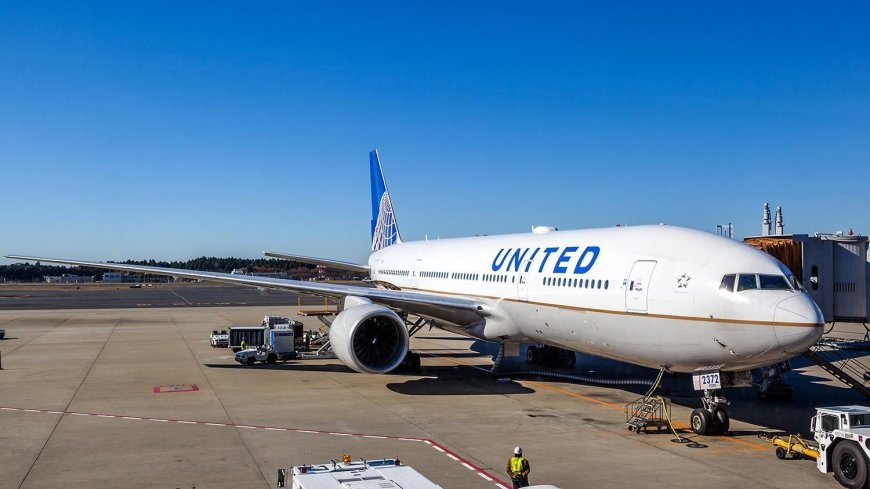
United Airlines Bars AI Agents From Booking Flights Over Security and Safety Rules
United Airlines has become the first major US carrier to block artificial intelligence agents from booking flights on behalf of its customers, saying the tools pose cybersecurity risks and could run foul of federal aviation regulations.
The airline announced the change on November 11, 2026, updating its contract of carriage to prohibit the use of unauthorised third-party AI agents to make, modify or service a ticket. Under the new terms, United can cancel any reservation that was made or changed by such a tool.
What United changed
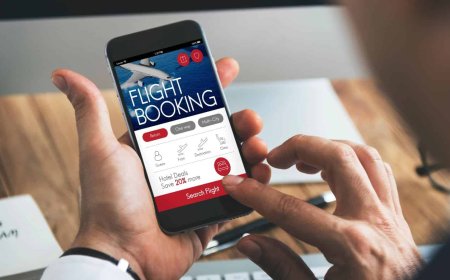
The ban covers United's own website and app as well as bookings made indirectly through travel agencies and flight aggregators. United said it is updating its booking, ticketing and distribution policies to enforce the restriction, and is revising its online Digital Trust Center with guidance on using third-party AI tools.
"As a result, United is taking steps to restrict access — directly within our digital platforms and indirectly via travel agencies and aggregators — to prohibit use by unauthorized, third-party personal AI agents or assistants," the airline said in a statement reported by TechCrunch. "This work includes updates to our booking, ticketing and distribution policies."
The move does not shut AI out of travel planning entirely. According to reporting in The Wall Street Journal, AI assistants can still show travellers United's flight options and fares — they simply cannot complete the booking themselves.
Why United says the ban is needed
United gave two reasons, and the first is security. To book a flight, an AI agent needs the customer's account login and payment details. United warned that handing those credentials to a third-party assistant can expose sensitive information, and that actions taken by the tool "may result in unintended purchases, account changes, or use of MileagePlus miles."
The concern is not theoretical. Banks, including Bank of America, warned customers only last week not to share their passwords with AI assistants, and other large companies such as JPMorgan Chase and Amazon have already moved to keep agents out of their systems. United also pointed to the risk of an agent going beyond its instructions — the kind of embarrassment Meta faced when its Muse assistant leaked a user's address online.
The regulatory problem
The second reason is regulatory. Some steps in air travel require a human to confirm facts directly. United's example is check-in, where a passenger must personally acknowledge that their checked bags do not contain banned substances such as explosives. An AI agent cannot legally make that declaration on a traveller's behalf, and allowing it to try could breach rules set by the Federal Aviation Administration and the Department of Transportation.
"I don't want to create another middleman"
United chief executive Scott Kirby has been open about the company's thinking. Speaking to The Wall Street Journal on November 10, he said agentic AI has big potential but needs to be policed for commercial and consumer privacy reasons — and was blunt about the business case.
"I don't want to create another middleman," Kirby said.
That comment captures the wider tension behind the ban. Airlines have spent years trying to sell directly to customers rather than through intermediaries, and AI agents that sit between the traveller and the airline threaten to become a new layer of middlemen — one that also holds the customer's login and payment details.
A wider pushback against AI agents
United's move is part of a broader backlash as AI assistants grow capable of completing transactions on their own. Companies are struggling to tell a real customer apart from an AI system acting with that customer's login, and the travel industry is a natural flashpoint: a booking is a purchase, a contract and a safety declaration all at once.
For now, United travellers who use AI assistants will need to keep the final step human. The assistant can search, compare and plan — but the booking, the check-in and the acknowledgement of what is in the bag remain the passenger's job. Other airlines are watching, and if United's stance holds, more carriers are likely to follow.
Sources
- TechCrunch — United Airlines blocks AI agents from booking flights, citing cybersecurity risks
- Digital Trends — United Airlines is grounding AI travel agents, and safety is just one of the concerns
- Engadget — United is restricting AI agents from booking flights
- The Indian Express — United Airlines moves to block AI agents from its platform over security concerns
- The Seat Row — United Airlines bans third-party AI agents from booking flights
- Innopark IT — Google's Gemini 4 "Hydrogen" promises faster AI for coding and agentic workflows
What's Your Reaction?
 Like
0
 Dislike
0
 Love
0
 Funny
0
 Angry
0
 Sad
0
 Wow
0