
































































Equinor Hit by Ongoing Cyberattack as Norway Stays on High Cyber Alert
Norwegian energy group Equinor has detected an ongoing cyberattack against some of its IT systems, the company said on Tuesday, November 17, 2026. Oil and gas production is unaffected and there is no indication data was stolen, but internal email and IT applications were disrupted, and the company says it still has no timetable for a full recovery.

Equinor Hit by Ongoing Cyberattack as Norway Stays on High Cyber Alert
Norwegian energy group Equinor said on Tuesday, November 17, 2026, that it had detected an ongoing cyberattack against some of its IT systems, the latest incident to hit a European energy company at a time when Norway is already on its second-highest cyber alert level.
Europe's largest gas supplier said it had informed the authorities and mobilised resources to neutralise the attack and restore the full integrity of its systems. The company stressed that the attack had not affected operations or production, and that it had seen no indication that data had been stolen.
"Equinor has detected an ongoing cyber-attack against certain IT systems. Relevant resources have been mobilised to neutralise the attack and regain full integrity," the company said in its statement, adding that there was no indication the attack had consequences for employees, partners or suppliers.
What Equinor has confirmed — and what it has not
By Wednesday, Equinor said it had gained a better understanding of how the attack took place and which systems were affected, but it gave no timetable for a full recovery. The company said the attack was not linked to any type of virus and that there was no risk of it spreading, and that it was working with government security authorities as it continued to contain the incident.
What Equinor has not said is just as notable. The company has not disclosed when the attack began, who the attackers might be, how they got in, or exactly which IT systems were targeted. It has also said nothing about whether its industrial control systems — the operational technology that runs platforms and pipelines — were touched. An attack on office IT systems does not automatically give intruders control of those operational systems, but security experts note that the business systems supporting production still matter.
"For Equinor and other providers, the question is how long they can keep producing and delivering safely when the business systems supporting those activities are unavailable," Harry Thomas, chief technology officer and co-founder of industrial security firm Frenos, told Cybersecurity Dive.
Email down, production untouched
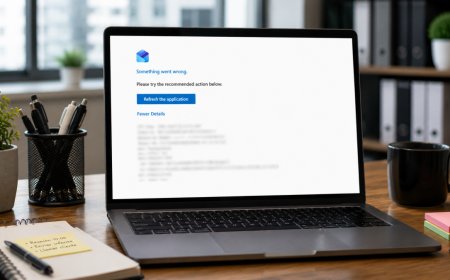
The disruption reached everyday work rather than the wells. Norwegian news agency NTB reported, citing the company, that IT applications and internal systems were affected, and a person at Equinor who spoke on condition of anonymity told Reuters that the company's internal email system was down.
That split — office systems disrupted, energy flows untouched — is the central fact of the incident so far. Equinor's oil and gas output kept running through the attack, and the company repeated that production remained unaffected in its Wednesday update.
A country already on high alert
The attack lands in a country that was already braced for one. In October, Norway's National Security Authority (NSM) raised the country's cyber-risk level to four on a five-point scale, warning that organisations and the public should prepare for the consequences of cyberattacks on critical infrastructure such as water and power supplies. The NSM said it was aware of the Equinor incident and was ready to provide support.
Norway's energy sector has been tightening its defences for months. The country has also been reining in its data-centre industry as the AI boom strains the power grid, a separate pressure on the same infrastructure that keeps the lights on across Europe. Norway's data-centre curbs show how seriously Oslo is taking the strain on its energy system.
The wider European picture has been unsettled too. In recent months, attacks linked to Iran-nexus actors hit supermarket refrigeration systems, cold storage protecting France's blood supply, a small UK power facility that was disabled for four days, and Poland's energy grid — a reminder that energy and other critical infrastructure are now routine targets.
What happens next
Equinor is still working to neutralise the attack and restore the affected systems, with no date given for when that work will be finished. The open questions now are how the attackers got in, how long they were inside before being detected, and whether the incident stays contained to office IT or turns out to reach further. Until the company says more, the incident stands as a test of how quickly a major energy supplier can absorb a hit to its internal systems without it touching the gas that Europe depends on.
Sources
- Reuters — "Norway's Equinor detects ongoing cyberattack, oil and gas output unaffected", November 17, 2026
- Cybersecurity Dive — "Energy giant Equinor investigates cyberattack impacting IT systems", November 18, 2026
- SecurityAffairs — "Norwegian Gas Giant Equinor Says It's Under Cyberattack. Production Keeps Running", November 18, 2026
- Equinor — company statement on the cyberattack, November 17, 2026 (via Reuters and Cybersecurity Dive)
What's Your Reaction?
 Like
0
 Dislike
0
 Love
0
 Funny
0
 Angry
0
 Sad
0
 Wow
0