


























































Sharp Aquos sense11 Goes Official in Japan: 3,000-Nit 240Hz OLED, 5,000mAh Battery in a 157g Body
Sharp has unveiled the Aquos sense11 in Japan, a compact mid-range phone with a 6.2-inch Pro IGZO OLED display that peaks at 3,000 nits and refreshes at up to 240Hz. It keeps the 5,000mAh battery of its predecessor, runs Android 17, and goes on sale in Japan on November 26 from ¥94,600.
Sharp Aquos sense11 Goes Official in Japan: 3,000-Nit 240Hz OLED, 5,000mAh Battery in a 157g Body
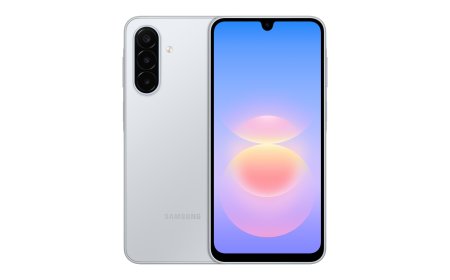
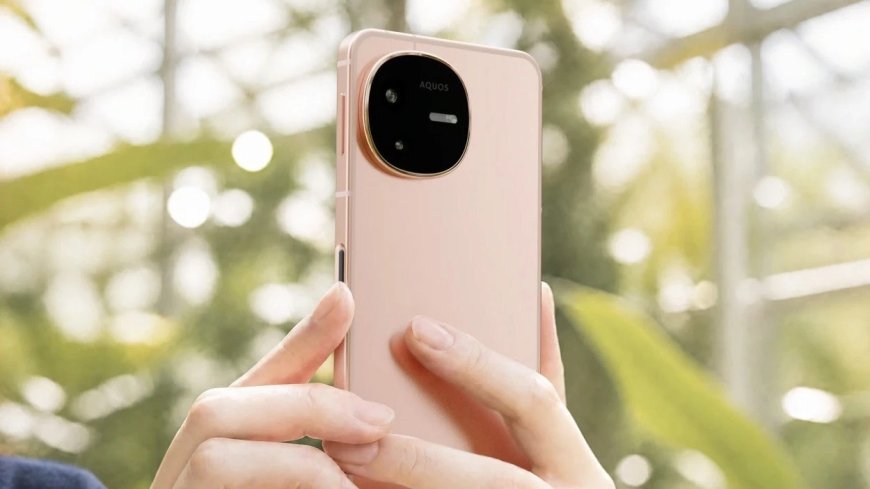
Sharp has unveiled the Aquos sense11 in Japan, the next step in its long-running mid-range line. The phone's headline feature is its screen: a 6.2-inch Pro IGZO OLED panel that reaches 3,000 nits of peak brightness, a 50 percent jump over the Aquos sense10. It is a compact, light handset too, weighing 157 grams and measuring 7.6mm thick, yet it still carries a 5,000mAh battery. Sales in Japan begin on November 26, with prices starting at ¥94,600, about $594.
The sense11 is a Japan-only launch for now. Sharp has not announced the phone for the US, UK or any other market, and based on the history of the sense line, buyers elsewhere would most likely have to import one.
A brighter, faster display
The 6.2-inch Pro IGZO OLED display has a resolution of 2,340 x 1,080 pixels and a variable refresh rate that Sharp lists as 1Hz to 240Hz, although the 240Hz mode works only in supported apps and is achieved by inserting black frames between 120Hz refreshes. Peak brightness of 3,000 nits is the big step forward: the sense10 topped out at 2,000 nits. In practice, that should make the screen far easier to read in direct sunlight, which is where mid-range phones usually struggle most.
The screen has grown from 6.1 inches to 6.2, but the phone is noticeably slimmer and lighter than its predecessor, which weighed 166 grams and measured 8.9mm thick.
Same chip, more memory and longer support
Inside, the sense11 runs the same Qualcomm Snapdragon 7s Gen 3 chipset as the sense10. What changes is the memory: buyers can choose 8GB of RAM with 128GB of storage or 12GB with 256GB, using LPDDR5X RAM and UFS 3.1 storage. A microSD slot supports cards of up to 2TB.
The phone ships with Android 17, and Sharp promises up to four Android version upgrades and six years of security updates from launch, one more of each than the sense10 received. That longer support window is a meaningful part of the package for a phone meant to be kept for years.
Two 50MP cameras and a tough body
The rear camera setup pairs a 50.3MP main camera with an f/1.9 lens, optical image stabilisation, all-pixel PDAF and HDR video recording, with a 50.3MP ultrawide camera with an f/2.2 lens and a 122-degree field of view. A 32MP camera sits on the front for selfies and video calls. Sharp also highlights AI photo tools that remove people from backgrounds, clear shadows from food and text, cut reflections when shooting through glass, and a masking feature borrowed from the Aquos R11 flagship that blurs text on signs.
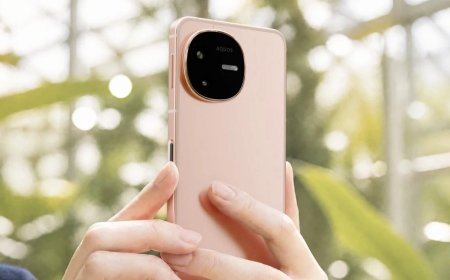
Durability is a sense-series strength, and Sharp has pushed it further here. The phone carries IP6X dust resistance and IPX5, IPX8 and IPX9 water resistance, the last of those covering high-pressure hot water, and it complies with the MIL-STD-810H standard for shock resistance. An aluminium frame and camera ring round out the build. Stereo speakers, 5G, Wi-Fi 6E, Bluetooth 5.2, NFC and dual-SIM support through nano-SIM and eSIM complete the spec sheet, with face and fingerprint unlock included. Double-pressing the power key launches Sharp's NIAH AI assistant.
Battery and charging
The 5,000mAh battery is unchanged from the sense10, and it supports 36W wired charging. Sharp says the battery is enough for about two days with 10 hours of use per day. Fitting that capacity into a 157-gram body is the engineering trick of this phone: most handsets with a battery this size weigh considerably more.
Price, colours and availability
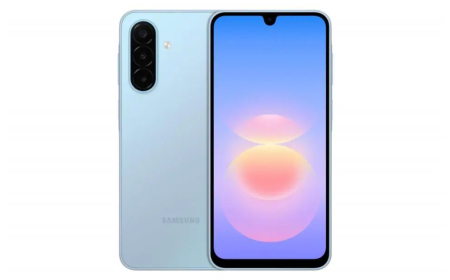
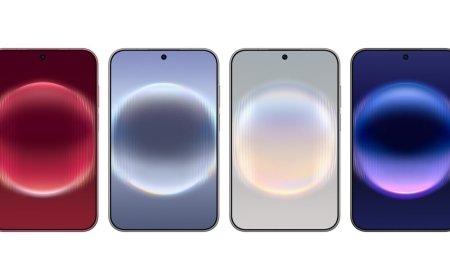
The Aquos sense11 goes on sale in Japan on November 26 in Copper, Gold, Silver and Black, through NTT Docomo, KDDI, SoftBank, Rakuten Mobile and J:COM, as well as SIM-free. Sharp notes that colours and specifications can vary by carrier. The SIM-free 8GB/128GB version costs ¥94,600, about $594, while the 12GB/256GB version costs ¥119,900, about $753.
That starting price is roughly 50 percent higher than the sense10's launch price of ¥62,700, a steep jump for a phone that keeps the same chipset and battery. The brighter, faster display, the slimmer body and the longer software support are what Sharp is asking buyers to pay for. Whether that trade is worth it will depend on how the phone holds up in everyday use, but on paper the sense11 is one of the most interesting compact mid-range phones of the year, even if most readers will only ever see it from afar.
Sources
- GSMArena — Sharp Aquos sense11 with 3,000-nit OLED screen (https://m.gsmarena.com/sharp_aquos_sense11_with_3000_nit_oled_screen-news-75507.php)
- Notebookcheck — Japanese brand announces compact phone with 240Hz OLED display, 2TB expandable storage and Android 17 (https://www.notebookcheck.net/Japanese-brand-announces-compact-phone-with-240Hz-OLED-display-2TB-expandable-storage-and-Android-17.1452097.0.html)
- Android Headlines — This 6.2-Inch Phone Has a 240Hz Display & Expandable Storage up to 2TB (https://www.androidheadlines.com/2026/11/this-6-2-inch-phone-has-a-240hz-display-expandable-storage-up-to-2tb.html)
What's Your Reaction?
 Like
0
 Dislike
0
 Love
0
 Funny
0
 Angry
0
 Sad
0
 Wow
0