


































































Oppo Find X9 Ultra Review: Dual 200MP Cameras, 20-Hour Battery Life and a €1,699 Asking Price
GSMArena's full review of the Oppo Find X9 Ultra finds a camera-first flagship with two 200MP sensors, a 10x periscope zoom, a 20-hour active-use battery score and the Snapdragon 8 Elite Gen 5 — held back mainly by soft video and a steep €1,699 price.

Oppo Find X9 Ultra Review: Dual 200MP Cameras, 20-Hour Battery Life and a €1,699 Asking Price
Oppo's top Find X phone has finally stepped onto the global stage, and it arrives with a clear mission: to be the camera phone that makes a dedicated camera feel unnecessary. The Find X9 Ultra pairs a 200MP main camera with not one but two periscope telephoto lenses, a 7,050mAh battery and Qualcomm's Snapdragon 8 Elite Gen 5. GSMArena's full review puts the phone through its lab tests and weeks of real-world shooting, and the conclusion is that this is far more than a one-trick camera phone. It is an excellent all-rounder, with two caveats worth knowing before you spend €1,699 on one.
Launched in April 2026 and on sale globally since early May, the Find X9 Ultra lands at a crowded moment. Samsung's Galaxy S26 Ultra and the Xiaomi 17 Ultra are already established rivals, Honor's Magic8 Pro undercuts it on price, and vivo's X300 Ultra is waiting in the wings. GSMArena rates the Find X9 Ultra 4.7 out of 5. Here is what that score is built on.
Design and display: familiar, faster, tougher
The Find X9 Ultra keeps the camera-centric look of its predecessor, with a large circular camera island, a textured back and a metal frame. The Tundra Umber version reviewed by GSMArena uses a vegan leather finish, while the Canyon Orange model has a fibre-reinforced back. At 235g and up to 9.1mm thick it is a substantial phone, but it is also one of the toughest around, with IP66, IP68 and IP69 ratings covering dust, immersion and high-pressure water jets.
The 6.82-inch LTPO AMOLED display carries over the sharp 1440 x 3168 resolution of the previous model, but the refresh rate rises from 120Hz to 144Hz and the panel gets brighter. GSMArena measured up to 1,216 nits on a 10 percent white patch in auto mode and 3,367 nits in the gallery app, with support for Dolby Vision, HDR10+ and HDR Vivid. There is a catch, though: the full 144Hz is reserved for select games, everyday use tops out at 120Hz, and some apps such as Chrome and Google Maps are capped at 90Hz unless you force a higher rate per app. It is a bright, feature-packed screen that does not quite use its headline refresh rate.
Cameras: two 200MP sensors and a 10x zoom
The camera system is where Oppo has made its biggest bet. The main camera moves to a new Sony 200MP sensor, the LYT-901, measuring 1/1.12 inches and sitting behind a brighter f/1.5 lens with optical stabilisation. That is a smaller sensor than the 1-inch unit in the Find X8 Ultra, but the much higher resolution and wider aperture are meant to more than compensate.
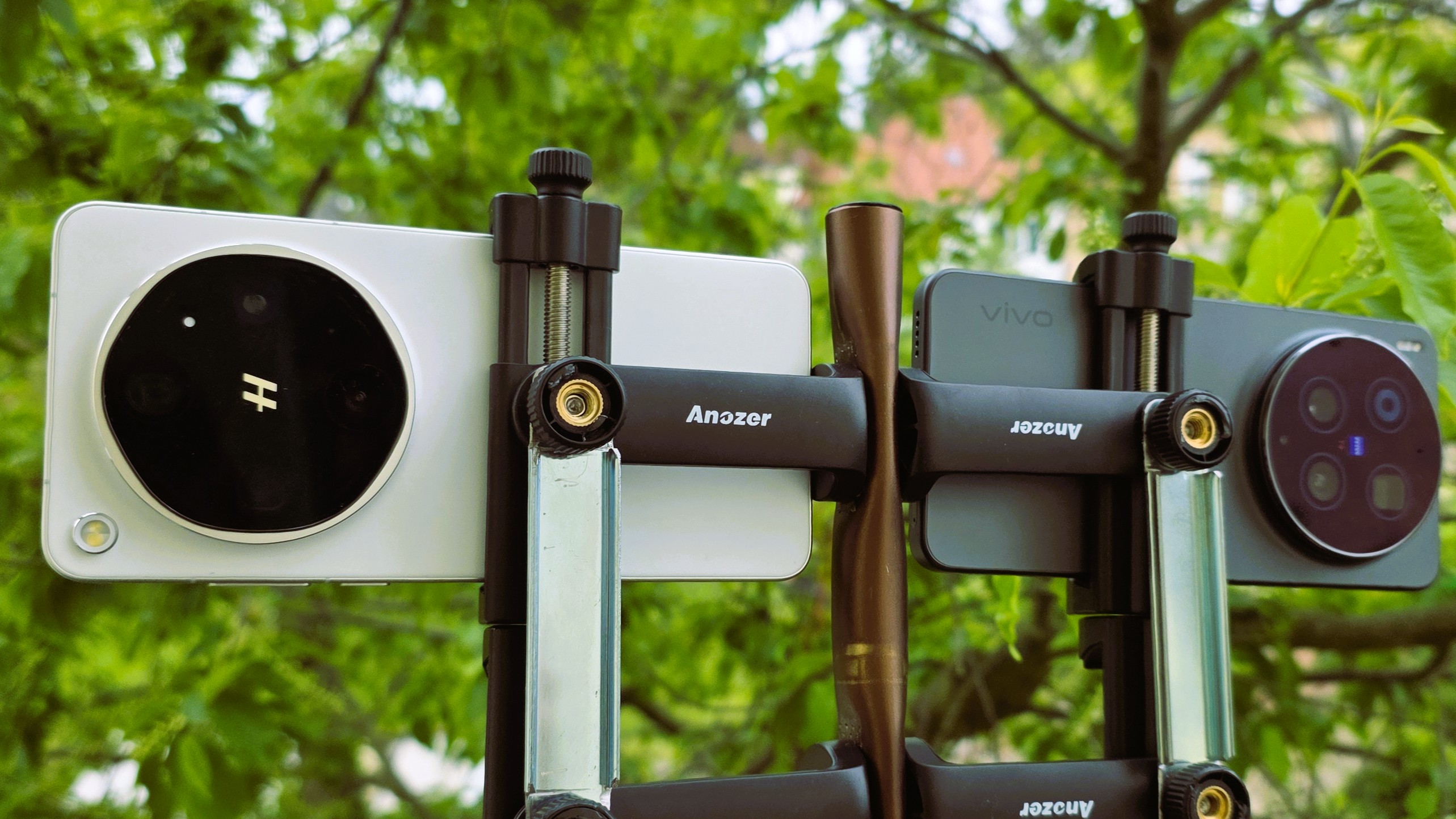
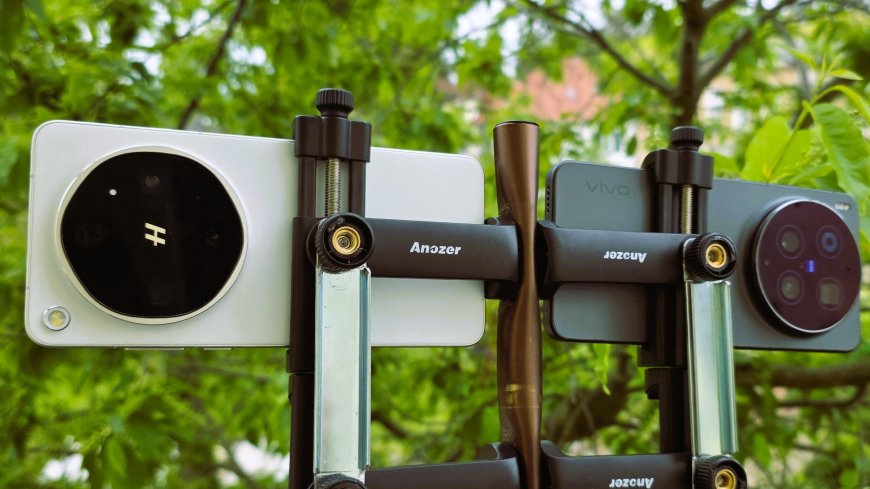
Then there are the two telephotos. A 200MP periscope covers 3x zoom at 70mm, using a large 1/1.28-inch sensor, and a second 50MP periscope reaches 10x zoom at 230mm. The ultrawide gets a larger 1/1.95-inch 50MP sensor, and the selfie camera jumps from 32MP to a 50MP autofocus unit. Hasselblad tuning returns, with film simulations and the XPAN wide-aspect shooting mode, plus a pressure-sensitive Quick Button on the frame for launching the camera and sliding to zoom.

Photo quality: superb stills, with one weak spot
In daylight, GSMArena calls the main camera's high-resolution 28MP photos properly excellent, with organic-looking detail, no visible noise, wide dynamic range and dependable white balance. The 3x telephoto is singled out as doing an amazing job at its native focal length, with excellent detail and colour, and it also shines for portraits. The 10x camera delivers good to very good sharpness, 20x zoom stays usable in bright light, and the ultrawide is top-class at its 12.5MP setting. At night, the main camera produces generally wonderful shots with well-judged exposures and pleasing colours.
There are quirks. The full 200MP modes are of little practical use, according to the review, and the 50MP modes at some zoom levels can look over-sharpened. And the one clear weakness is video: footage looks soft-ish across the board, and GSMArena says video is not the Find X9 Ultra's forte. If moving images matter more to you than stills, that is the line to weigh most carefully.
Performance and software
The Snapdragon 8 Elite Gen 5 performs as expected in benchmarks, with two 4.6GHz performance cores and six 3.62GHz efficiency cores, plus UFS 4.1 storage in the 12GB/512GB and 16GB/1TB configurations. Under sustained load the CPU throttles to about 65 percent of its theoretical peak but holds steady clocks, while the GPU is less convincing: 3DMark's Wild Life Extreme stress test showed only 40 percent stability, which GSMArena calls below average. For everyday use and most gaming this will not matter, but heavy sustained GPU loads are a noted weak point.
Software is ColorOS 16 on Android 16, and Oppo promises five years of OS upgrades and six years of security patches. New AI additions include an AI Bill Manager and AI Mind Pilot, which can consult Gemini, Perplexity and DeepSeek side by side, though GSMArena notes those features were not yet available to test and will arrive in a future update. Quick Share now works across platforms, including iOS and macOS devices.
Battery and charging: best in its class
The 7,050mAh silicon-carbon battery is bigger than the 6,100mAh cell in the Find X8 Ultra, though smaller than the 7,500mAh unit in the Find X9 Pro. In GSMArena's tests it earned a 20:10-hour Active Use Score, with particularly strong video streaming and web browsing runtimes, and the review calls its battery life class-leading, outpacing its Ultra rivals. Charging is unchanged at 100W wired and 50W wireless: a full charge takes 45 minutes with a compatible SuperVOOC charger, and the phone also supports 55W USB Power Delivery charging, reverse wired and reverse wireless charging, bypass charging and an 85 percent charge cap for battery health.
Price, rivals and verdict
At €1,699, the Find X9 Ultra is a touch pricier than the Xiaomi 17 Ultra, the Galaxy S26 Ultra and the Honor Magic8 Pro, but cheaper than the vivo X300 Ultra, which asks €1,999 for its only 16GB/1TB version. In Bangladesh, unofficial imports were listed from around ৳1,35,000 for the 12GB/256GB version in late November 2026, according to local price trackers, with the 12GB/512GB version listed near ৳1,65,500.
GSMArena's verdict is that the phone has everything it takes to be the best Ultra of the year, with the longest battery life of the group and comparable charging and display quality. The differences between the leading camera phones are small enough that the choice comes down to design, software and preferred focal lengths, the review says, and it suggests waiting until the vivo X300 Ultra has been fully tested before deciding. For buyers who want a strong camera without the Ultra price, the Find X9 Pro is the value pick: it gets close on photography, costs considerably less and even lasts slightly longer on a charge. You can read more about vivo's rival in our vivo X300 Ultra OriginOS 7 update coverage.
Pros and cons
Pros: IP66/IP68/IP69 rating and comfortable, sturdy design; bright and feature-packed display; useful camera Quick Button; class-leading battery life with solid fast charging; superb stills from the main camera and both telephotos, day and night; feature-packed software with five years of upgrades.
Cons: the 144Hz refresh rate is almost never used; GPU stability under prolonged loads leaves more to be desired; video is a bit soft across the board; pricey at launch.
The Find X9 Ultra is not the cheapest way into flagship photography, and its video will not satisfy everyone. But as a stills camera that happens to be a phone, with battery life no rival matches, it earns its place at the top of the shortlist.
Sources
What's Your Reaction?
 Like
0
 Dislike
0
 Love
0
 Funny
0
 Angry
0
 Sad
0
 Wow
0