

























































How to Free Up Storage on Android: 10 Ways to Reclaim Space Fast
Running out of space on your Android phone? These 10 proven methods — from clearing app cache to backing up photos — will free up gigabytes in minutes, no factory reset required.

How to Free Up Storage on Android: 10 Ways to Reclaim Space Fast
Running out of space on your Android phone? These 10 proven methods — from clearing app cache to backing up photos — will free up gigabytes in minutes, no factory reset required.
Photos, videos, apps and their cached data pile up quietly until one day the "Storage full" warning appears and you cannot install an update or take a photo. Before you delete memories or buy a new phone, work through these steps in order — the first few alone usually free up several gigabytes.
1. Check what is using your storage
Go to Settings, then Storage. Android shows a breakdown — apps, images, videos, audio, system — so you can see exactly what is eating your space. Start with the biggest category.
2. Clear app cache
Apps store temporary files called cache to load faster, and it can grow to gigabytes. Go to Settings, then Apps, pick an app, then Storage, and tap Clear Cache. This deletes only temporary files, not your data or logins. Do it for heavy apps like browsers, social media and shopping apps. Avoid "Clear Storage" unless you want to log in again.
3. Back up photos and videos, then delete them from the phone
Photos and videos are usually the biggest storage hog. Turn on backup in Google Photos, wait until everything is backed up, then use the "Free up space" option — it deletes the device copies that are already safely in the cloud. You can also back up to Google Drive or another cloud service first.
4. Delete downloaded files and old media
Open the Files by Google app and check the Downloads folder and the "Clean" suggestions. Old APKs, memes, duplicate videos and files you downloaded once and forgot about can add up to gigabytes.
5. Uninstall apps you do not use
Go to Settings, then Apps, and sort by last used or size. Games are often several gigabytes each. Uninstall anything you have not opened in months — you can always reinstall it later from the Play Store, and your account data usually stays in the cloud.
6. Delete offline content
Downloaded Netflix shows, YouTube videos, Spotify playlists and offline maps take up huge amounts of space. Open each app and remove downloads you have already watched or listened to.
7. Clear WhatsApp media
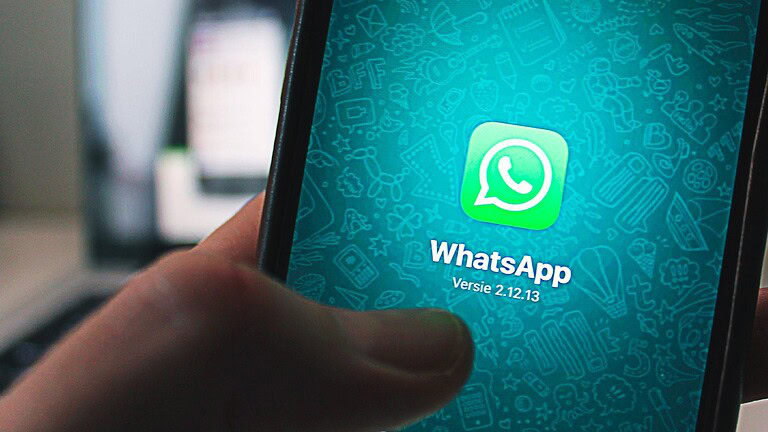
WhatsApp is a hidden storage hog: every photo and video in every group stays on your phone. In WhatsApp, go to Settings, then Storage and Data, then Manage Storage, and delete large files and media from chats you do not need. You can also stop WhatsApp from auto-downloading media in the first place.
8. Use Files by Google's Clean feature
Google's Files app has a Clean tab that finds junk files, duplicate photos, blurry images, old screenshots and large files, and lets you delete them in a few taps. It is the fastest way to reclaim space safely.
9. Move files to an SD card or a computer
If your phone supports microSD, move photos, videos and music to the card. Otherwise, connect the phone to a computer with a USB cable and copy large videos off the phone. A USB-C flash drive also works on most modern Android phones.
10. When nothing else works: the last resorts
If you are still short on space, consider uninstalling app updates for pre-installed apps you never use (this reverts them to the factory version and frees space), or as a final step, back everything up and do a factory reset — the phone will feel new again, but only do this after a full backup.
Sources
What's Your Reaction?
 Like
0
 Dislike
0
 Love
0
 Funny
0
 Angry
0
 Sad
0
 Wow
0