













































US Stock Market Today: Nasdaq Falls 2.1% as AI Stocks Slide
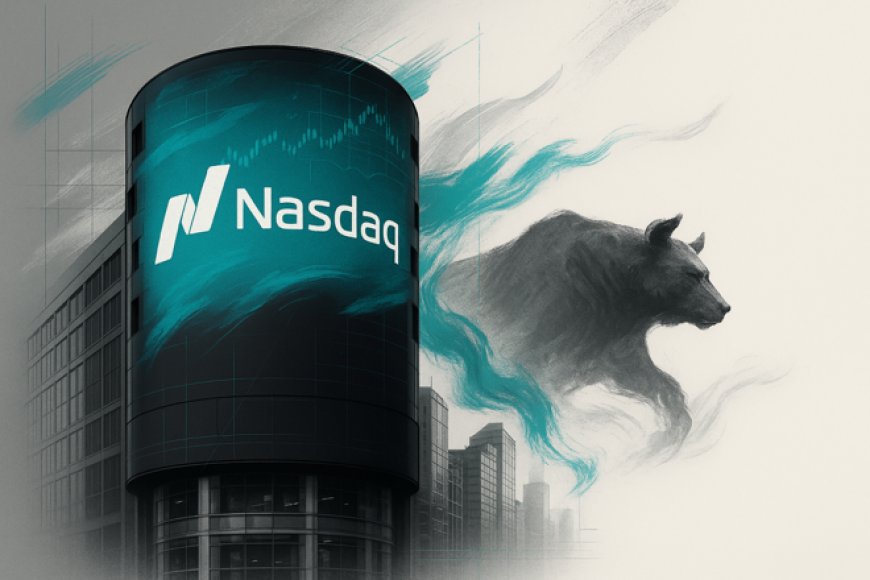
US stock market news for October 18, 2026: Wall Street ended Friday's session lower as technology and semiconductor stocks came under pressure. The Nasdaq Composite dropped 2.15%, the S&P 500 fell 1.09%, and the Dow Jones Industrial Average declined 0.34%. Concerns about rising inflation, higher interest rates, and the financing costs of AI infrastructure weighed on investor sentiment.
US Stock Market Today: Nasdaq Falls 2.1% as AI Stocks Slide
US stocks ended the week on a negative note as investors reassessed technology stock valuations, inflation risks, and the financial pressures surrounding the artificial intelligence industry. The Nasdaq Composite suffered the steepest decline among the major indexes on Friday, October 16, while the Dow Jones recorded a smaller loss.
The US stock market is closed on Sunday, October 18, so Friday's closing prices are the latest completed regular-session figures available.
How Did the US Stock Market Close?
The major US stock indexes finished Friday's trading session lower.
- Dow Jones Industrial Average: Fell 0.34% to 52,002.41.
- S&P 500: Dropped 1.09% to 7,659.44.
- Nasdaq Composite: Declined 2.15% to 26,140.03.
- Russell 2000: Lost 1.66% to 2,721.37.
Technology-related shares accounted for much of the market's weakness. The Nasdaq's decline also ended its four-week winning streak, leaving the index down approximately 4.5% for the week.
The Dow performed relatively better, gaining about 0.7% over the full week despite Friday's decline.
Why Are Technology and AI Stocks Falling?
Investors have become more cautious about the cost of expanding AI infrastructure and the debt used to finance it. Building data centers requires substantial investment in computing equipment, semiconductor chips, electricity, and supporting infrastructure.
Although demand for AI technology remains an important investment theme, investors are increasingly examining whether future earnings and cash flows will justify the money being spent.
Shares of CoreWeave, a company involved in AI cloud infrastructure, fell sharply during the week amid concerns about its financing and debt obligations. Semiconductor stocks also faced significant selling pressure.
These developments do not necessarily mean the AI industry is losing its long-term growth potential. Instead, they highlight the difference between enthusiasm for a technology and the financial performance required to support the valuations of companies involved in it.
Inflation and Federal Reserve Rate Concerns
Inflation remains another important factor for Wall Street. Stronger-than-expected US inflation readings have increased concerns that the Federal Reserve may need to maintain restrictive monetary policy for longer or consider additional interest-rate increases.
Higher interest rates can make borrowing more expensive for businesses and consumers. They can also reduce the present value investors assign to future corporate earnings, putting pressure on growth-oriented companies.
Technology companies with valuations that depend heavily on future growth can be particularly sensitive to changes in interest-rate expectations.
Investors will therefore be watching upcoming inflation data, Federal Reserve communications, Treasury yields, and corporate earnings reports for clues about the direction of the market.
What Investors Should Watch Next Week
The next US trading session begins on Monday, October 19. Investors will be looking for signs of stabilization in technology shares and further information about corporate earnings, inflation, and interest-rate expectations.
AI infrastructure companies and semiconductor manufacturers are likely to remain in focus as investors assess spending plans, profitability, and financing risks. Developments in energy markets and geopolitical tensions may also influence inflation expectations and market sentiment.
Friday's decline shows that even a market supported by strong technology themes can experience sharp short-term corrections. However, one session or one week of losses does not establish the direction of the market for the remainder of the year.
For investors following US stocks, the key is to distinguish temporary volatility from changes in business fundamentals rather than treating every market decline as a reliable signal of what comes next.
Sources
What's Your Reaction?
 Like
0
Like
0
 Dislike
0
Dislike
0
 Love
0
Love
0
 Funny
0
Funny
0
 Angry
0
Angry
0
 Sad
0
Sad
0
 Wow
0
Wow
0