














































FBI Arrests OpenAI Engineer Accused of Planting Hidden Recording Device
The FBI has arrested Abdulrahman Alfozan, a 35-year-old Saudi national who worked as an engineer at OpenAI, over allegations that he secretly installed an audio recording device in an executive conference room at the ChatGPT maker’s San Francisco office. The US Department of Justice says the device was concealed near a television and could have captured sensitive discussions about OpenAI’s technology and business strategy. OpenAI says it found no evidence that the employee accessed or extracted its AI model weights, source code, or customer data.
FBI Arrests OpenAI Engineer Over Alleged Hidden Recording Device
The FBI has arrested a former OpenAI engineer accused of secretly placing an audio recording device inside an executive conference room at the artificial intelligence company’s San Francisco office. The US Department of Justice announced the case on October 13, 2026, saying the device was allegedly intended to intercept private conversations about the company’s technology.
The employee, identified by prosecutors as Abdulrahman Alfozan, 35, a Saudi national, was arrested on October 9. He made his initial appearance in federal court on October 13 and is scheduled for a detention hearing on October 19, according to the US Attorney’s Office for the Northern District of California.
The allegations have drawn attention to the security challenges facing companies developing advanced AI systems. Their most valuable information can extend beyond software and source code to include research findings, product plans, commercial negotiations, technical capabilities and strategic decisions that are not available to the public.
The criminal complaint describes an alleged attempt to record sensitive workplace conversations. However, the allegations have not been proven in court, and investigators have not established publicly what, if anything, was successfully recorded or how any potential recordings might have been used.
How OpenAI Discovered the Hidden Recording Device
According to the Justice Department, OpenAI personnel discovered the device on or around September 30, 2026, in an executive conference room inside one of the company’s San Francisco buildings.
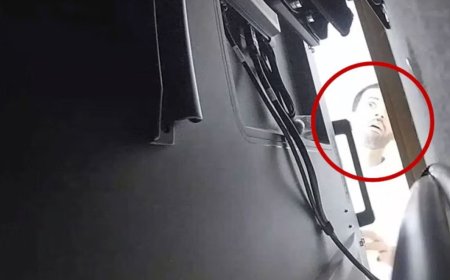
The small recording device was reportedly inserted into a USB port on the back of a television and concealed in toilet paper. Investigators believe it had been installed around September 28. The complaint also states that the device’s stored contents were encrypted.
The room was used for meetings involving sensitive company information, including proprietary research, product development plans, business opportunities and discussions about OpenAI’s technical progress. Such conversations can reveal details that are not contained in published product announcements or publicly available technical documentation.
The discovery prompted an internal security investigation. OpenAI subsequently referred the matter to the FBI, which pursued the case using evidence gathered during the company’s inquiry and the federal investigation.
The Justice Department’s complaint alleges that the employee had been near the executive conference room on multiple occasions before the device was discovered, even though he did not have authorization to access the room or participate in its meetings.
Investigators also say that a second, similar recording device was found in a bag associated with Alfozan inside another room at an OpenAI building. The bag reportedly contained his identification and wallet.
These details form part of the allegations presented by prosecutors. The court process will determine how the evidence should be interpreted and whether the government can establish the alleged offence beyond a reasonable doubt.
What Investigators Say About the Alleged Plan
The complaint describes more than the discovery of a recording device. Prosecutors allege that digital activity and workplace observations helped investigators connect Alfozan to the incident.
According to the Justice Department, he had used a productivity tool to make inquiries about OpenAI’s buildings, meeting rooms, room capacities and calendars, including information concerning leadership and executive locations and meetings with external partners.
The complaint also refers to prompts submitted through a chatbot account associated with his spouse. Investigators say the account shared multiple identifiers and attributes with Alfozan’s own account and included questions related to building, customizing, installing, testing and remotely accessing an audio-recording device.
Some of the prompts reportedly concerned the specific device later discovered at OpenAI. These details are allegations contained in the complaint, not a judicial finding that every activity described had an unlawful purpose.
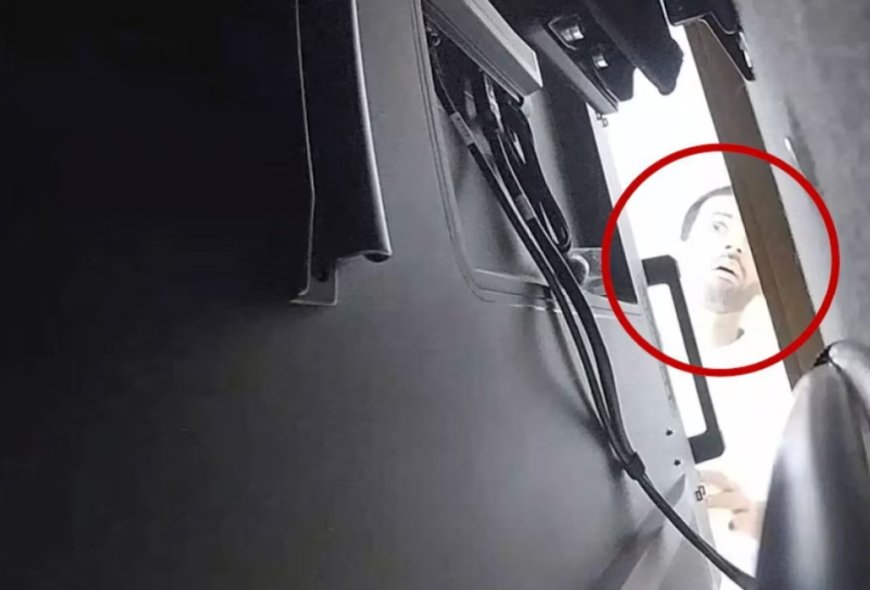
The filing also states that Alfozan returned to the executive conference room on October 5 and appeared to look behind the television where the first device had been installed. By that point, the company had reportedly added a camera to the room, providing investigators with additional footage.
The combination of the physical device, workplace footage, digital inquiries and discovery of a second device became part of the case against him.
What OpenAI Says About Stolen AI Technology
One of the most important distinctions in the case is between the alleged attempt to record private conversations and the separate question of whether proprietary information was actually stolen.
OpenAI said it used its internal AI models to help understand the device and identify the employee it believed had planted it. The company then referred the matter to the FBI and cooperated with the investigation.
The company also stated that it had no indication that the employee had improperly accessed or extracted its model weights, source code or customer data.
Model weights are the numerical parameters learned during AI training that help determine how a model processes inputs and generates outputs. They can represent a substantial part of an AI developer’s technical investment. Source code, meanwhile, contains the instructions and software used to build and operate systems.
The distinction matters because confidential conversations can reveal valuable information even when no source code or model files are taken. Discussions about future products, research priorities, business partnerships or technical limitations could provide competitors with insights into a company’s plans.
However, there is currently no confirmed public evidence that the alleged recording resulted in the theft or disclosure of OpenAI’s AI technology. The company’s statement specifically says it has found no indication of improper access to or extraction of the named categories of data.
The case therefore concerns an alleged covert recording attempt, while the extent of any information actually captured remains an important unanswered question.
Who Is Abdulrahman Alfozan?
The Justice Department identifies Alfozan as a 35-year-old Saudi national who had worked as an engineer at OpenAI since July 2025.
Reports based on a LinkedIn profile associated with his name have also described previous employment at Meta and Microsoft and education at the Massachusetts Institute of Technology and the University of California, Berkeley. Those background details have not all been independently verified by the reporting outlets, so they should be treated with appropriate caution.
As of the Justice Department’s October 13 announcement, Alfozan had appeared in federal court, and the case remained under investigation. The available reporting did not establish a confirmed motive for the alleged conduct.
The charge concerns the alleged use or attempted use of an electronic, mechanical or other device to intercept oral communications. The complaint does not establish a final judicial finding of guilt.
Under the US legal system, an arrest and criminal charge are not proof of guilt. Alfozan is presumed innocent unless proven guilty in court.
What Charges and Penalties Does He Face?
According to the US Attorney’s Office for the Northern District of California, Alfozan faces a charge under federal law concerning the interception of oral communications.
If convicted, he could face a maximum penalty of five years in prison, a fine of up to $250,000 and three years of supervised release. These are statutory maximum penalties described by prosecutors, not a prediction of the sentence he would receive.
Any sentence following a conviction would be determined by the court after considering the applicable law, sentencing guidelines and relevant circumstances.
The FBI is investigating the case, and federal prosecutors are handling the proceedings. The next scheduled court appearance announced by the Justice Department is October 19, 2026, for a detention hearing.
The investigation may establish additional facts, but the publicly available allegations should not be treated as a final account of what happened.
Why the Case Matters for AI Company Security
AI developers face a security problem that extends beyond protecting computer systems from outside attackers. Companies must also control access to sensitive physical spaces, manage employee permissions and investigate suspicious activity without assuming that every unusual event proves misconduct.
An executive conference room can contain commercially sensitive information even if no computer is compromised. Conversations about upcoming models, infrastructure, research plans or business agreements may be valuable to people seeking an advantage in the competitive AI industry.
The incident also illustrates how physical security and digital investigations can intersect. Access records, surveillance footage, workplace calendars, device examination and account activity may each contribute pieces of evidence. In this case, prosecutors say several types of evidence helped connect the alleged device placement to an individual.
AI systems can also have a role in security investigations. OpenAI said its internal models helped it understand the device and identify the person it believed was responsible. That statement does not establish that AI alone solved the case or independently verified every allegation. The public account describes a broader investigation involving physical evidence and law enforcement.
For technology companies, the practical lesson is that protecting intellectual property requires multiple layers of security. Restricted meeting spaces, appropriate access permissions, device inspections, clear reporting procedures and timely cooperation with investigators can all help reduce risk.
At the same time, employers must distinguish legitimate security monitoring from unsupported accusations. Evidence needs to be assessed carefully, and criminal responsibility must be determined through the legal process.
What Happens Next in the OpenAI Investigation?
The FBI investigation remains ongoing, and the next major development will be the federal court proceedings. The October 19 detention hearing is expected to address whether Alfozan will remain in custody while the case continues.
Important questions remain unanswered in the public record. These include whether the recording device captured any conversations, whether anyone accessed or transferred any recorded material, and what purpose the alleged recording was intended to serve.
OpenAI has said it found no indication that its model weights, source code or customer data were improperly accessed or extracted by the employee. That statement should not be expanded into a claim that investigators have conclusively established everything the device did or did not capture.
The case is a reminder that the security of advanced AI research involves both digital assets and the confidential discussions that surround their development. For now, the allegations are serious, but the evidence and legal findings must determine the final outcome.
Sources
- U.S. Department of Justice: Saudi National Arrested for Installing Surreptitious Audio Recording Device at OpenAI
- U.S. Attorney’s Office, Northern District of California: Saudi National Arrested for Installing Surreptitious Audio Recording Device at OpenAI in San Francisco
- Reuters: FBI arrests former OpenAI employee over planting listening device
- Associated Press: FBI arrests OpenAI employee accused of placing recording device in company conference room
- TechCrunch: FBI arrests OpenAI employee accused of planting hidden recording device in conference room
What's Your Reaction?
 Like
0
Like
0
 Dislike
0
Dislike
0
 Love
0
Love
0
 Funny
0
Funny
0
 Angry
0
Angry
0
 Sad
0
Sad
0
 Wow
0
Wow
0