





































BMW’s Electric 3 Series Undercuts Its Gas Twin by $4,400
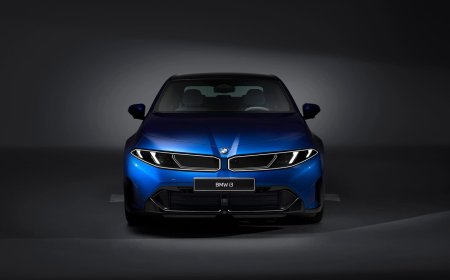
BMW’s new 2027 3 Series lineup delivers an unusual pricing story: the fully electric i3 50 xDrive starts $4,400 below the comparable gas-powered M350 xDrive in the U.S. The two cars share BMW’s latest design direction but use different architectures, with the EV bringing a new electric platform, long driving range and ultra-fast charging.

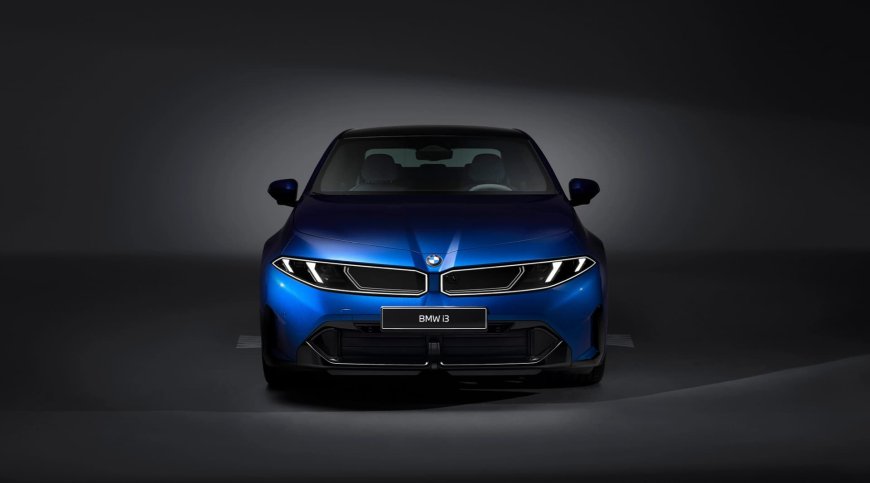
BMW’s Electric 3 Series Is Now Cheaper Than Its Gas-Powered Performance Twin
For years, buying an electric car has often meant accepting a higher sticker price than a comparable gasoline model. BMW is now turning that expectation around with its redesigned 2027 3 Series family. The company has introduced both combustion-powered and fully electric versions, and one particularly interesting comparison has emerged: the BMW i3 50 xDrive starts at $61,500 in the United States, while the comparable gas-powered M350 xDrive starts at $65,900.
That puts the electric model $4,400 cheaper before destination charges, a difference of roughly 6.7 percent. The comparison is not between identical trims—the regular gasoline 330 is considerably cheaper—but the M350 xDrive and i3 50 xDrive occupy a much more comparable performance and positioning bracket.
Two Powertrains, Two Different BMW Approaches
There is an important detail behind the headline. BMW has not simply taken one existing 3 Series chassis and installed either an engine or an electric motor. The two versions are technically different underneath.
The gasoline-powered 3 Series uses an extensively updated version of BMW's existing combustion architecture, while the electric i3 is based on the company's new Neue Klasse electric architecture. That means the two cars share the broader 3 Series identity and BMW's new design language, but their engineering foundations are different.
The distinction matters because the new i3 is effectively BMW's technology showcase for its next generation of electric vehicles. BMW says the Neue Klasse architecture brings a new electrical and software structure, next-generation battery technology and a substantially revised approach to the cabin experience.
The i3 50 xDrive Brings Serious Electric Performance
The 2027 BMW i3 50 xDrive uses dual electric motors and all-wheel drive, producing a combined 463 horsepower and 476 lb-ft of torque. BMW's new electric drivetrain is designed around delivering immediate torque while also improving efficiency.
BMW says the car can achieve an estimated 383–434 miles of EPA range, depending on configuration, although the company notes that final range can vary with wheels, tires, equipment, driving conditions and other factors.
That makes the electric 3 Series more than simply an efficiency-focused alternative. It is being positioned as a performance-oriented BMW sedan that happens to use electricity instead of gasoline.
Charging Could Be the Bigger EV Advantage
Range is only part of the equation. BMW has equipped the new i3 with an 800-volt electrical architecture and charging capability of up to 400 kW.
Under suitable charging conditions, BMW says the car can recover a substantial amount of driving range during a short charging stop. The company's U.S. information says the i3 50 xDrive can add hundreds of miles of range relatively quickly when connected to an appropriate high-power DC charger.
That is important because charging speed has become one of the biggest differences between generations of electric vehicles. BMW is attempting to make long-distance EV travel feel less dependent on lengthy charging stops.
The Gasoline 3 Series Still Has One Major Advantage
Despite the i3's price advantage in this particular comparison, gasoline-powered BMWs retain an obvious convenience advantage: refueling.
The M350 xDrive can be filled at a conventional fuel station in minutes, while an EV requires access to a suitable charging station or home charging setup. For drivers who regularly make long-distance trips through areas with limited charging infrastructure, that difference can still matter.
The new M350 xDrive is also not a basic 3 Series. It uses BMW's turbocharged 3.0-liter inline-six engine combined with a 48-volt mild-hybrid system, producing 437 horsepower according to BMW's launch information. BMW says it can reach 60 mph in 3.6 seconds.
BMW’s Pricing Creates an Interesting Shift
The more significant story is not simply that one BMW costs $4,400 less than another. It is that the less expensive vehicle in this closely matched comparison is the electric one.
For years, automakers frequently priced EVs above their gasoline counterparts because battery packs were expensive and electric models were often developed as separate premium products. As battery technology, manufacturing scale and EV platforms have evolved, that pricing relationship has started to change.
BMW's new lineup provides a particularly visible example because buyers can now compare a gasoline performance 3 Series and an electric performance 3 Series from the same luxury manufacturer.
There is, however, an important caveat. The 2027 BMW 330 starts at $49,900, with the 330 xDrive at $51,900, meaning the least expensive gasoline 3 Series remains substantially cheaper than the i3. BMW has not yet announced a directly equivalent entry-level electric version at that price point.
The New i3 Is More Than a Cheaper Alternative
BMW's electric 3 Series also introduces technologies that go beyond the powertrain. The car is part of the company's broader Neue Klasse transformation and features the new BMW Panoramic Vision display system, a 17.9-inch central touchscreen and a new software architecture.
The company has also designed the vehicle around bidirectional charging capabilities and a new generation of electronic control systems. BMW describes the Neue Klasse as a major technological transition rather than simply another model update.
This makes the i3 particularly important for BMW's future. Technology developed for the electric 3 Series is expected to influence other BMW models as the Neue Klasse architecture expands across the company's lineup.
What This Means for the EV Market
The BMW comparison does not mean electric cars have suddenly become cheaper across the entire automotive industry. Nor does it mean every EV is cheaper than an equivalent gasoline vehicle.
What it does demonstrate is that the old assumption that an EV must automatically carry a higher purchase price is becoming less reliable in some segments. In BMW's case, the comparison is especially notable because the electric car is not being sold as a stripped-down economy alternative. It offers substantial performance, long-range capability and newer-generation technology while starting below the comparable gasoline performance model.
For buyers, the calculation is therefore becoming more complicated—and more interesting. Instead of asking whether an EV costs more simply because it is electric, shoppers increasingly have to compare the actual trims, equipment, performance, charging requirements and ownership costs of each version.
BMW’s 3 Series Is Showing Where the Market Is Heading
The 2027 BMW 3 Series lineup illustrates a broader change taking place across the automotive industry. Electric vehicles are moving from being expensive technology showcases toward becoming mainstream alternatives that can compete directly with combustion-powered cars on price and performance.
The $4,400 gap between the i3 50 xDrive and M350 xDrive is only one comparison, and it should not be interpreted as a universal EV-versus-gasoline price rule. But it is an unusually clear example of how quickly the economics of premium electric cars are changing.
BMW's strategy is also notable because the company is not abandoning its gasoline lineup. Instead, it is developing combustion and electric models alongside each other while giving the new EV its own next-generation architecture.
For consumers, that means the next generation of BMWs will increasingly be defined not by whether an electric version exists, but by how its price, range, performance and technology compare directly with the gasoline model sitting beside it.
What's Your Reaction?
 Like
0
Like
0
 Dislike
0
Dislike
0
 Love
0
Love
0
 Funny
0
Funny
0
 Angry
0
Angry
0
 Sad
0
Sad
0
 Wow
0
Wow
0