

























































Kalshi in Talks to Raise Fresh Funds at $65 Billion Valuation for Compute Futures Push
Kalshi is in talks to raise new funding at a $65 billion valuation to build a platform for trading compute futures, Reuters reported, barely two weeks after a $1 billion round valued the prediction market at $40 billion.
Kalshi in Talks to Raise Fresh Funds at $65 Billion Valuation for Compute Futures Push
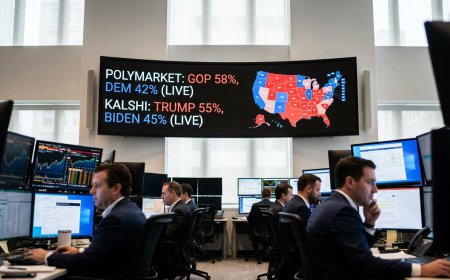
Kalshi is in talks to raise fresh funds at a $65 billion valuation to build a new platform for trading compute futures, a source familiar with the matter told Reuters on November 12. The discussions come barely two weeks after the prediction market closed a $1 billion funding round that valued it at $40 billion — and would lift its valuation by more than 60 percent in a matter of weeks.
The size of the new raise and the investors involved have not been disclosed, and Kalshi could not immediately be reached for comment, Reuters reported. The talks are just that — talks. Nothing has been signed, and there is no confirmation the round will close at that level.
A valuation that has nearly tripled in six months
The pace of Kalshi's rise in private markets has been extraordinary even by the standards of a frothy year for AI-linked companies. In May, the company raised $1 billion in a round led by Coatue that valued it at $22 billion. On October 29, it announced another $1 billion round, this time co-led by Sequoia Capital and Wellington Management, at a $40 billion post-money valuation. A $65 billion valuation would be 62.5 percent above the October level and almost triple the May figure.
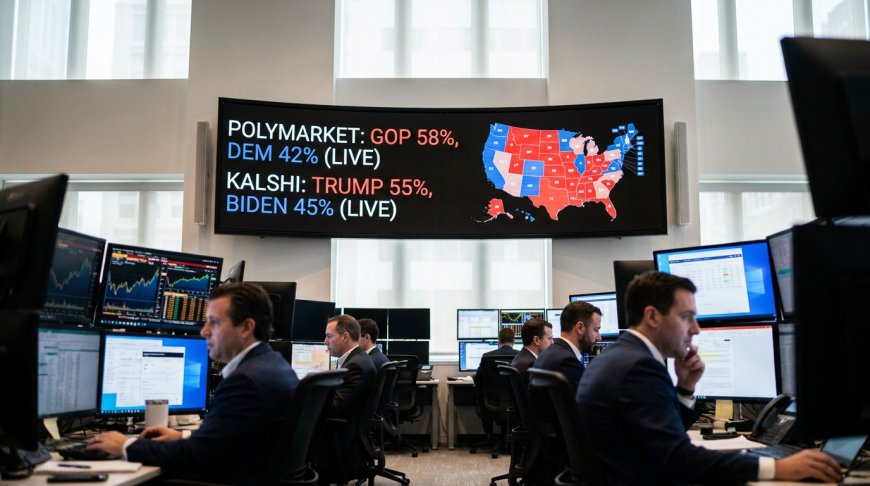
The surge tracks a sharp rise in trading on the platform. Monthly notional trading volume more than doubled from about $40 billion in August to nearly $100 billion in October, according to Bloomberg. Kalshi began as a market for event contracts — wagers on the outcome of elections, sports, economic data and more — but its ambitions have moved well beyond that.
What are compute futures?
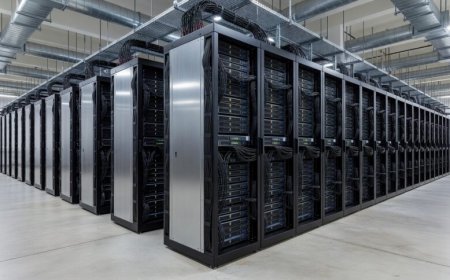
Compute futures are financial contracts that let traders hedge or speculate on the future price of computing resources, such as cloud services and the graphics processors that power artificial intelligence. In plain terms, they would let a company that rents GPU capacity lock in today's price for processing power it will need months from now — or let an investor bet on which way that price moves.
For the firms building and renting AI infrastructure, that kind of certainty has real value. GPU rental prices swing with demand, chip supply and power costs, and the sums involved are now enormous. Investor appetite for AI infrastructure has been intense all year, even as the sector's stocks have swung sharply — AI infrastructure names slid again on Friday as Nvidia's turmoil rattled the market, as Innopark IT reported.
The race to financialise computing power
Kalshi is not alone in chasing this market. CME Group said earlier this year it was partnering with Silicon Data to launch compute futures later this year, pending regulatory review, and Intercontinental Exchange, the parent of the New York Stock Exchange, is also in the running. Kalshi itself named compute markets among its planned launches in October, alongside financial indexes and perpetual futures on single stocks.
The regulator, however, is moving cautiously. Commodity Futures Trading Commission Chairman Michael Selig said earlier this year that "America cannot win the AI race without a robust derivatives market for compute," and the agency opened a public consultation on derivatives linked to computing resources in August. But reports earlier in the week said the CFTC has postponed approval of futures contracts tied to GPU rental prices while it consults benchmark providers on price-manipulation concerns in the nascent asset class — a delay that could push trading into early 2027.
That regulatory overhang is the main uncertainty hanging over the whole idea. A compute future is only as good as the benchmark it tracks, and GPU rental prices are set in a concentrated market dominated by a handful of suppliers. Until the CFTC is satisfied the benchmarks cannot be gamed, the products stay on the drawing board.
What happens next
If the round closes at anything near $65 billion, Kalshi would rank among the most valuable private fintech companies in the world — a remarkable position for a firm that, until recently, was known mainly for election betting. The money would fund its push into institutional markets, where it would compete directly with the established derivatives exchanges rather than alongside them.
For now, though, the $65 billion figure is a number under discussion, not a done deal. Whether investors agree to pay it — and whether regulators clear the products the money is meant to build — will decide whether Kalshi's bet on compute futures pays off.
Sources
- Reuters, via Channel News Asia — "Kalshi in talks to raise funds at $65 billion valuation for compute futures platform, source says" (November 12, 2026)
- Bloomberg, via Billionaires Africa — "Kalshi eyes $65bn valuation" (November 14, 2026)
- RadarOnTech — "Kalshi in Talks for Funding That Would Value It Near $65 Billion" (November 13, 2026)
- SKN Finance — "Kalshi Seeks Fresh Capital at $65 Billion Valuation to Build Compute Futures Exchange" (November 13, 2026)
What's Your Reaction?
 Like
0
 Dislike
0
 Love
0
 Funny
0
 Angry
0
 Sad
0
 Wow
0