














































Oil Prices Rise as Houthi Attack Claims Renew Fears Over Saudi Oil Supply
Global oil prices moved higher after Yemen’s Iran-backed Houthis said they launched missile and drone attacks targeting Saudi Aramco facilities in Riyadh and the Khurais area. The claims have revived concerns about the security of Saudi Arabia’s oil infrastructure and come as wider Middle East tensions continue to weigh on the global energy market.
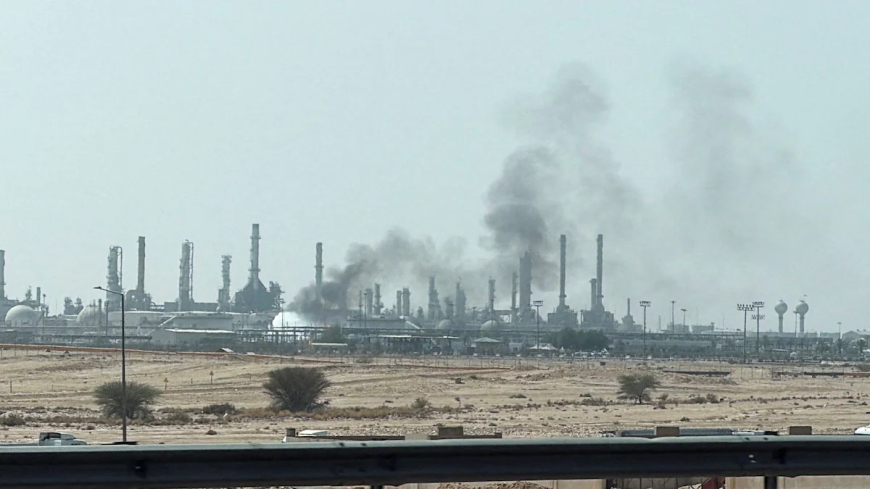
Oil Prices Climb as Houthi Attack Claims Put Saudi Supply Back in Focus
Oil prices started the week higher as fresh tensions involving Yemen’s Houthi movement and Saudi Arabia brought one of the energy market’s biggest concerns back into focus: the vulnerability of critical oil infrastructure in the Middle East.
Yemen’s Iran-backed Houthis said they had launched ballistic missiles and drones at Saudi Aramco facilities in Riyadh and the Khurais area. The claims immediately caught the attention of oil traders because Saudi Arabia is the world’s leading oil exporter and any meaningful disruption to its production or export infrastructure could quickly reverberate through global energy markets.
The market reaction was relatively measured compared with some of the sharper oil-price moves seen during earlier Middle East escalations. By 2202 GMT on Monday, Brent crude futures had gained 81 cents, or 0.79%, to reach $103.06 a barrel. U.S. West Texas Intermediate crude was up 46 cents, or 0.50%, at $91.57 a barrel.
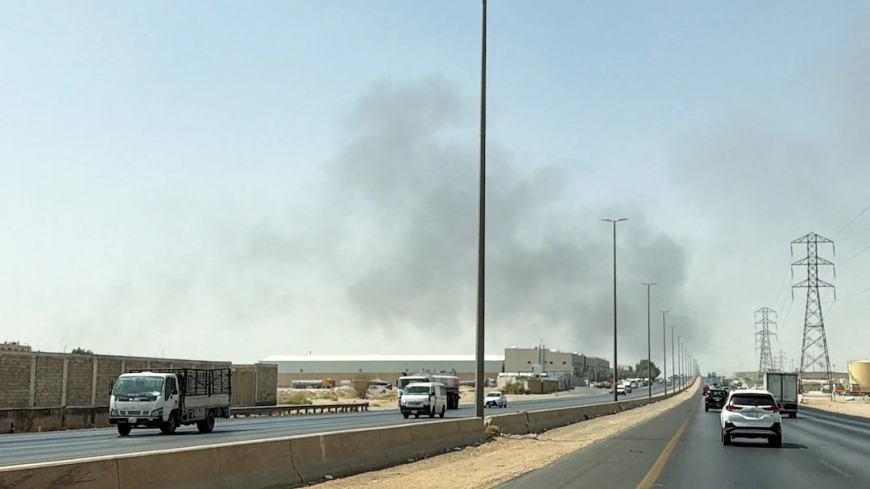
Why the Saudi Aramco Claims Matter to Oil Markets
The immediate concern is not simply that another attack has been reported. What matters to traders is whether the incident results in actual damage to production, processing or export infrastructure.
Saudi Arabia sits at the heart of the global oil supply system, and Saudi Aramco operates some of the world's most important oil facilities. The country has previously demonstrated the ability to restore production after major disruptions, but the memory of attacks on Saudi energy infrastructure continues to influence how quickly markets respond to new threats.
In this latest incident, the Houthis said their missiles and drones targeted Aramco sites in Riyadh and the Khurais region. They also claimed the strikes caused fires. However, Saudi authorities and Aramco had not immediately confirmed that the attacks caused damage to oil production facilities. That distinction is important: the market is currently reacting to the risk of disruption rather than confirmed major production losses.
Brent Crude Moves Above $103
Brent's move above $103 a barrel gives the latest geopolitical development additional significance. Oil prices have already been trading at elevated levels, meaning traders are watching every new threat to production and transportation infrastructure more closely.
The latest increase is also part of a much larger story. Middle Eastern supply risks have remained a major influence on oil markets, with tensions affecting both energy infrastructure and important shipping routes. The Bab el-Mandeb Strait, for example, has become increasingly important because disruptions there can complicate the movement of oil and other commodities between the Red Sea and the wider global market.
That means the market does not need a large production outage to become nervous. Even the possibility of a disruption can push traders to price in additional geopolitical risk.
A Wider Conflict Is Adding to the Pressure
The latest Houthi claims come as fighting in Yemen has intensified. Yemen's internationally recognized government, backed by Saudi Arabia, has announced a major military campaign aimed at retaking territory controlled by the Houthis.
According to Reuters, the Houthis have also expanded their control around the strategically important Bab el-Mandeb Strait, giving the group greater leverage over a major international shipping route. The escalation has therefore created concerns that the conflict could increasingly affect energy transportation as well as the region's oil infrastructure.
The situation is particularly sensitive because the oil market is already dealing with broader geopolitical uncertainty. A new disruption involving Saudi production or shipping routes could add another layer of risk to a market that is already watching supply closely.
Markets Are Watching for One Thing: Actual Supply Loss
For now, the biggest question is what happens next.
If the reported attacks cause little or no meaningful damage, the initial oil-price reaction could fade as traders return their attention to inventories, production policy and demand. But if Saudi facilities suffer damage that affects output or exports, the market could react much more aggressively.
This is why the difference between an attack claim and a confirmed supply disruption matters so much. Oil prices are forward-looking: traders attempt to anticipate future availability rather than simply respond to barrels that have already disappeared from the market.
The situation will therefore remain highly sensitive to statements from Saudi authorities, Saudi Aramco and other regional sources regarding the condition of the targeted facilities.
Saudi Arabia Is Also Adjusting Its Oil Pricing Strategy
The latest security concerns arrive at an interesting moment for Saudi Arabia's oil business. Saudi Aramco has unexpectedly reduced the official selling price of November Arab Light crude for Asian buyers by $3 per barrel, bringing it to $5 below the average of the Oman and Dubai benchmarks. Reuters reported that this was the largest discount since June 2020.
At the same time, Aramco raised November official selling prices for northwest Europe and the Mediterranean while keeping prices for U.S. buyers unchanged. Saudi Arabia and other OPEC+ members have also agreed to maintain current production targets for November.
That combination illustrates the complexity facing the oil market. Security risks are pushing prices higher, while Saudi Arabia is simultaneously making commercial pricing decisions aimed at maintaining market share in different regions.
What Higher Oil Prices Could Mean for the Global Economy
A sustained increase in crude prices can eventually reach far beyond the oil industry.
Higher crude prices raise the cost of transportation, manufacturing and other energy-intensive activities. Airlines, shipping companies, logistics operators and manufacturers can all face higher operating expenses when fuel costs rise. Those increases can eventually feed into consumer prices if businesses pass a portion of their additional costs along the supply chain.
For countries that import most of their energy, the impact can be particularly important. More expensive oil can increase import bills and put additional pressure on currencies and inflation.
That is why markets outside the energy sector are also watching the latest developments. A short-lived move in crude prices may have limited economic consequences, but a prolonged supply shock could become a much bigger issue for inflation and global growth.
The Oil Market Is Entering Another Period of Geopolitical Uncertainty
The latest rise in crude prices is less about the immediate 50- or 80-cent move and more about what the attack claims represent.
Saudi Arabia remains one of the most important sources of oil supply in the world, while the Red Sea and Bab el-Mandeb are strategically important corridors for global trade. When conflict begins affecting both production infrastructure and transportation routes, the potential consequences become much larger.
For now, there is no confirmed evidence of a major Saudi oil-production outage from the latest reported attacks. That keeps the immediate market impact relatively contained. But with fighting in Yemen intensifying and tensions across the region remaining high, traders have another reason to keep geopolitical risk firmly on their radar.
The direction of oil prices from here will depend heavily on whether the latest attacks remain isolated incidents or become part of a broader campaign capable of disrupting Saudi production or regional energy transportation. For a market already trading around the $100-a-barrel level for Brent, even a relatively small new supply concern can quickly become a major market story.
What's Your Reaction?
 Like
0
Like
0
 Dislike
0
Dislike
0
 Love
0
Love
0
 Funny
0
Funny
0
 Angry
0
Angry
0
 Sad
0
Sad
0
 Wow
0
Wow
0