






















Apple to Replace iPhone 18 Pro Max Units Affected by AT&T Connectivity Problem
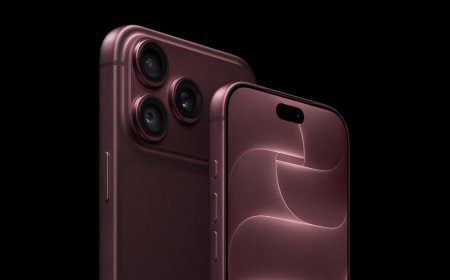
Apple has confirmed that a small number of iPhone 18 Pro Max devices using AT&T in the United States can lose cellular service, leaving affected phones unable to make calls, send texts or use mobile data. Apple says iOS 27.0.1 and a new carrier-settings update are designed to prevent the problem, but devices that have already lost service will require replacement.

Apple to Replace iPhone 18 Pro Max Units Affected by AT&T Connectivity Problem
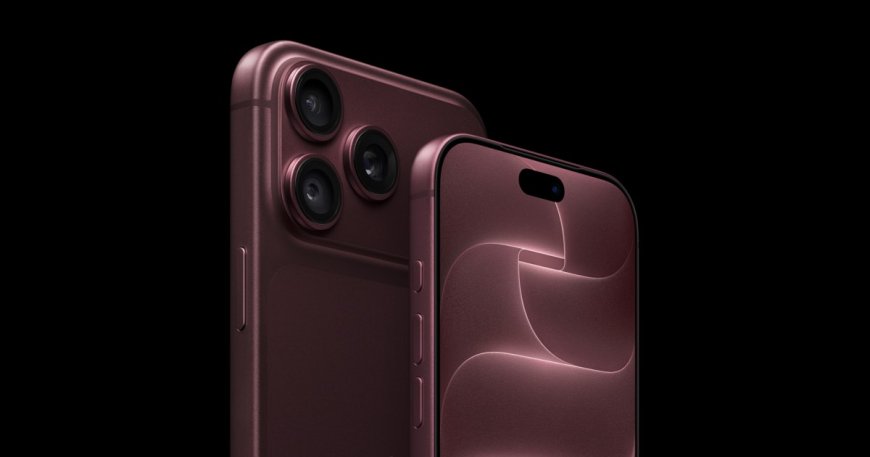
Apple has confirmed a cellular connectivity problem affecting a small number of iPhone 18 Pro Max devices connected to AT&T in the United States, and the company is taking an unusually direct approach to the issue. For customers whose phones have already lost cellular service because of the problem, Apple says a software update will not restore connectivity and the affected device will need to be replaced.
The problem can prevent an affected iPhone 18 Pro Max from connecting properly to AT&T's network. Users have reported losing access to cellular calls, text messages and mobile data, with the phone sometimes showing SOS instead of a normal cellular connection. AT&T has also acknowledged the issue and has been working with Apple to address it.
Only a Small Number of iPhone 18 Pro Max Units Are Affected
Apple says the problem is limited to a small number of iPhone 18 Pro Max users on the AT&T network. There is currently no indication that the issue affects every iPhone 18 Pro Max, and reports have not pointed to the same problem affecting other iPhone models or other major U.S. carriers.
That makes this different from a broad iPhone connectivity failure. The issue appears to involve a particular combination of the iPhone 18 Pro Max and AT&T's network, rather than a problem with the entire iPhone 18 lineup. AT&T has advised affected customers to install Apple's latest software and seek support if the problem continues.
iOS 27.0.1 Can Prevent the Problem, But Cannot Repair Affected Phones
Apple has already released iOS 27.0.1 and a separate carrier-settings update intended to prevent additional iPhone 18 Pro Max devices from encountering the cellular problem. Apple strongly recommends that AT&T customers using the iPhone 18 Pro Max install the latest software.
The carrier-settings update is being distributed automatically, while users can also check for it by opening Settings > General > About. The combination of the iOS update and carrier update is intended to reduce the possibility of the connectivity failure occurring in the first place.
However, there is an important distinction. Apple says these updates are preventive rather than restorative. If an iPhone 18 Pro Max has already lost cellular service because of the issue, installing the software will not bring the device back to normal operation.
Apple Will Replace Phones That Have Already Lost Service
For customers whose iPhone 18 Pro Max has already been affected, Apple says the solution is a hardware replacement rather than another software patch.
Affected customers are being directed to contact Apple Support or AT&T, or visit an Apple Store or AT&T location for assistance. Reports indicate that Apple will provide a replacement at no charge for devices confirmed to be affected by the issue.
This is significant because cellular problems on smartphones are normally addressed through carrier updates, firmware fixes or operating-system patches. In this case, Apple's statement indicates that once certain devices have entered the affected state, software alone cannot restore their cellular service.
Why Are Users Seeing SOS?
The most visible symptom is the appearance of SOS in the iPhone's status bar. This means the phone is not connected normally to its cellular provider, although emergency calling functionality can remain available where supported.
For affected AT&T customers, the consequence can be much more serious than simply having slow mobile internet. Reports have described problems making and receiving calls, sending messages and using cellular data. AT&T has specifically warned customers that the issue may affect calls, texts, data and even emergency 911 calls, making reliable cellular connectivity particularly important.
Is the Qualcomm Modem Responsible?
One of the most interesting details surrounding the incident is the cellular modem used inside the U.S. version of the iPhone 18 Pro Max.
The U.S. iPhone 18 Pro Max uses Qualcomm's Snapdragon X80 modem, while the iPhone 18 Pro uses Apple's own C2 modem. International versions of the iPhone 18 Pro Max also use Apple's C2 modem.
That difference has naturally led to speculation that the Qualcomm modem could be responsible for the AT&T problem. However, Apple has not confirmed that the modem is the cause, and there is currently no established evidence linking the Snapdragon X80 itself to the failure. The modem connection is therefore something to watch rather than a confirmed explanation.
What AT&T iPhone 18 Pro Max Owners Should Know
AT&T customers who own an iPhone 18 Pro Max but have not experienced the problem should update to iOS 27.0.1 and make sure the carrier settings are current. Apple and AT&T's updates are designed to prevent the issue from affecting additional devices.
Customers who have already lost cellular service should not assume that repeatedly updating or resetting the phone will solve the underlying problem. Apple's current guidance is to contact Apple or AT&T and arrange for the device to be evaluated and replaced if it is confirmed to be affected.
A Significant Early Problem for Apple's New Flagship
The incident comes only a few weeks after the iPhone 18 Pro Max reached customers, making it an uncomfortable early issue for Apple's newest flagship. The company has not disclosed exactly how many devices are affected, describing the number only as a small number.
Apple has also not publicly identified the precise technical cause of the failure. That leaves several questions open, including why the problem appears to be concentrated on AT&T and why affected devices cannot simply be restored through software.
For now, the practical message is straightforward: AT&T users with an iPhone 18 Pro Max should install the latest updates, while customers whose phones have already lost cellular service should contact Apple or AT&T about a replacement. The situation also highlights how complicated modern smartphone connectivity has become, with hardware, carrier configurations, modem technology and software all playing a role in keeping a phone connected to a cellular network.
What's Your Reaction?
 Like
0
Like
0
 Dislike
0
Dislike
0
 Love
0
Love
0
 Funny
0
Funny
0
 Angry
0
Angry
0
 Sad
0
Sad
0
 Wow
0
Wow
0