



























































Samsung and Xiaomi Raise Smartphone Prices in India by Up to ₹4,000 as Memory Costs Surge
Samsung and Xiaomi have raised smartphone prices across dozens of variants in India by ₹1,000 to ₹4,000, effective 15–16 November 2026, as surging memory chip costs — driven by demand from AI data centres — squeeze manufacturers after a weak festive season.
Samsung and Xiaomi Raise Smartphone Prices in India by Up to ₹4,000 as Memory Costs Surge
Buying a new phone in India has just become more expensive. Samsung and Xiaomi have raised prices across dozens of smartphone variants by ₹1,000 to ₹4,000, with the revised prices taking effect on 15 and 16 November 2026. The increases land right after Diwali, when festive demand turned out weaker than retailers had hoped, and they are being driven by the same force now rippling through the whole electronics industry: memory chips have become sharply more expensive.
According to Inc42, the revisions cover 48 variants in total — 29 Samsung Galaxy M, F and A series models and 19 Xiaomi Redmi models. Moneycontrol, which first reported the revisions based on retailer information, counted 41 variants. Either way, the scale is significant: this is not a single model getting dearer, but a broad reset of prices across the budget and mid-range shelves where most Indian buyers shop.
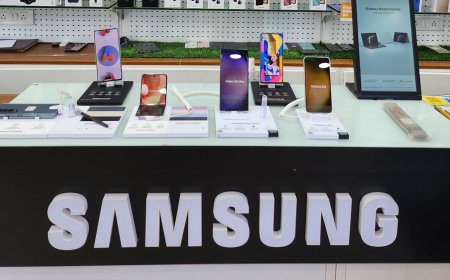
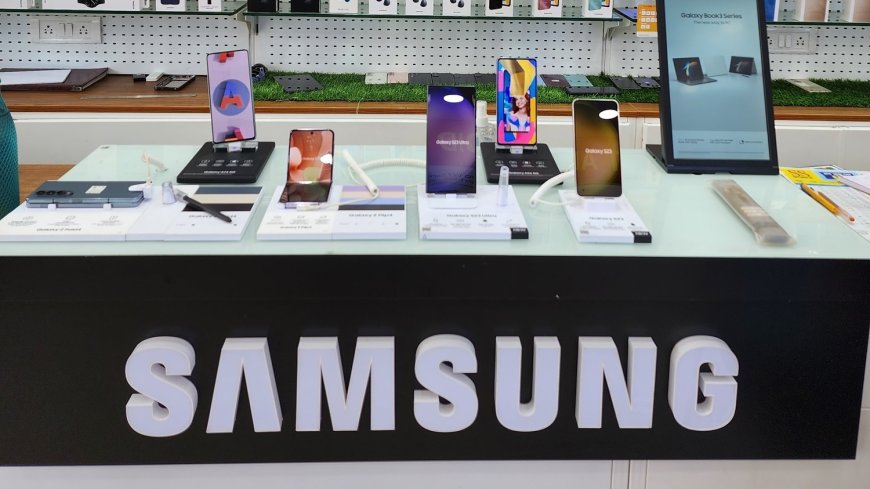
Photo: Samsung Galaxy phones on display at a mobile phone store in India (representative image).
What Samsung has raised
Samsung's latest revision covers 14 variants across its Galaxy A07 5G, A17 5G, A36, A37, A56, A57 and F17 5G lineups, with most models becoming costlier by ₹2,000. The steepest increase is on the Galaxy A57, where selected variants have gone up by ₹4,000 — the 8GB+256GB model now costs ₹66,999 and the 12GB+256GB model ₹76,499.
A separate revision on 15 November raised prices of seven Galaxy M17 5G, M17e and F70e 5G variants by ₹2,000 each. Moneycontrol reported Samsung's increases range from 3.13% to 9.52% depending on the model. The entry-level Galaxy A07 5G (4GB+128GB), for example, has moved from ₹20,999 to ₹22,999.
What Xiaomi has raised
Xiaomi revised prices across 19 Redmi variants, with hikes ranging from ₹1,000 to ₹4,000. The steepest increase is on the Redmi Note 17 Pro 5G: its 8GB+128GB and 8GB+256GB variants now cost ₹40,999 and ₹43,999 respectively. The Redmi Note 17 5G range has become costlier by ₹3,000.
The sharpest percentage jump is on the budget Redmi A7 Pro 5G (4GB+128GB), which has risen from ₹15,999 to ₹18,999 — an increase of 18.75%. Overall, Xiaomi's hikes range from 4.26% to 18.75%, steeper in percentage terms than Samsung's. Some retailers still hold pre-hike Redmi stock, so buyers may still find a few units at the old prices while that inventory lasts.
Why memory is the culprit
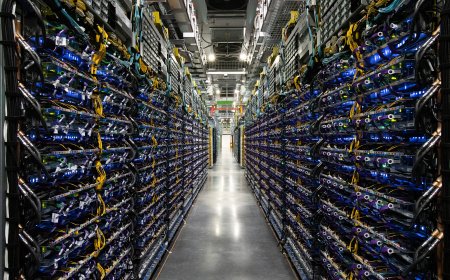
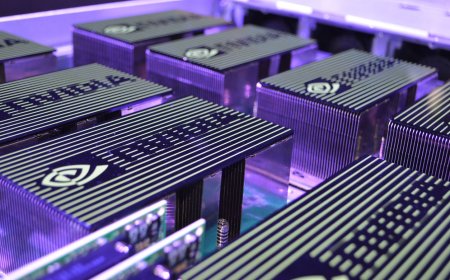
The price rises come amid a broader surge in memory chip prices, driven by demand from AI infrastructure and data centres. Smartphones depend on DRAM for working memory and NAND flash for storage, and both have tightened as semiconductor manufacturing capacity has shifted toward high-bandwidth memory and high-end DRAM for AI data centres.
Counterpoint Research data cited in reports showed smartphone memory prices rising 80% to 90% in the first quarter of 2026, and component prices have climbed further since. The squeeze reaches beyond phones: laptops, gaming consoles and other consumer electronics face the same cost pressure. OpenAI chief executive Sam Altman recently flagged the growing competition for memory resources, noting that the memory market's usual price correction mechanism was not working effectively.
Analysts quoted in reports expect the memory shortage to persist until at least 2027, which would make this a sustained cost increase for phone makers rather than a one-off adjustment.
A weak festive season makes it worse
The timing is awkward for buyers and sellers alike. The hikes follow a subdued Diwali, one of the biggest phone-buying occasions in India. According to the All India Mobile Retailers Association (AIMRA), offline smartphone sales volumes dipped as much as 20% year-on-year during the four-day festive period between 6 and 9 November, even though overall sales value held broadly steady because average selling prices were higher.
AIMRA also reported that offline sales volumes fell nearly 40% in the seven days before Dhanteras (6 November), as consumers delayed purchases in anticipation of festive offers, and only 60–70% of logged loan applications received approval during the festive period. Against that backdrop, higher prices could further pressure affordability, particularly in the price-sensitive budget and mid-range segments, and squeeze retailer margins.
Other manufacturers are expected to follow. Moneycontrol reported that Oppo, Vivo and Realme are also likely to raise prices in the coming days as the industry grapples with rising memory and component costs. Samsung and Xiaomi had not responded to queries about the increases at the time the reports were published.
Related reading
Samsung held 69% of the global foldable market in Q3 2026 · Redmi Note 18 revealed with 67W charging
Sources
What's Your Reaction?
 Like
0
 Dislike
0
 Love
0
 Funny
0
 Angry
0
 Sad
0
 Wow
0