























Xiaomi 18 Pro & Pro Max Hands-On: 8,500mAh Battery, Dual 200MP Cameras and a Screen That Fights Shoulder-Surfing
Xiaomi has launched the Xiaomi 18 Pro and Xiaomi 18 Pro Max in China, bringing 2nm Snapdragon processors, dual 200MP Leica cameras, enormous silicon-carbon batteries, rear AMOLED displays and a new hardware-level Privacy Display. The Xiaomi 18 Pro starts at CNY 5,999, while the Pro Max starts at CNY 6,999. Early hands-on reports suggest Xiaomi has built one of its most ambitious flagship generations yet, with the Pro Max combining an 8,500mAh battery and Snapdragon 8 Elite Extreme Gen 6 with a 6.9-inch 120Hz display.

Xiaomi 18 Pro and Pro Max: Xiaomi's New Flagships Are Going Big
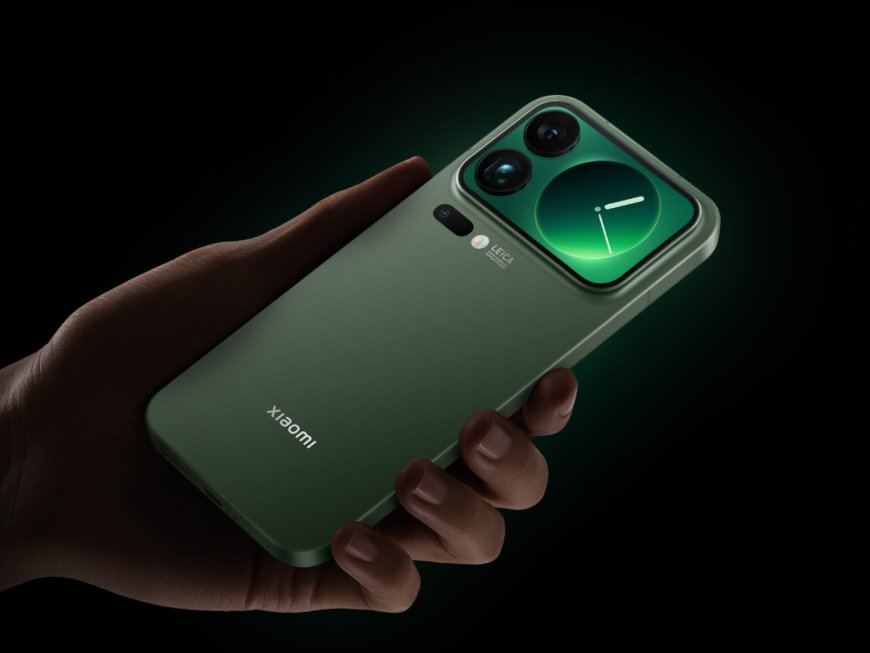
Xiaomi has officially entered the next chapter of its flagship smartphone race with the Xiaomi 18 Pro and Xiaomi 18 Pro Max, and these phones are not short on headline features. Launched in China on September 23, the new Pro models combine Qualcomm's latest 2nm Snapdragon platforms, dual 200MP Leica cameras, huge silicon-carbon batteries, 120Hz AMOLED displays, secondary screens on the back and an unusual new hardware-level privacy system. The phones also arrive with HyperOS 4 and Xiaomi's latest AI features. Xiaomi has confirmed that the series will receive a global launch later this year, although exact international prices and configurations have not yet been announced.
Xiaomi 18 Pro vs 18 Pro Max: The Main Difference
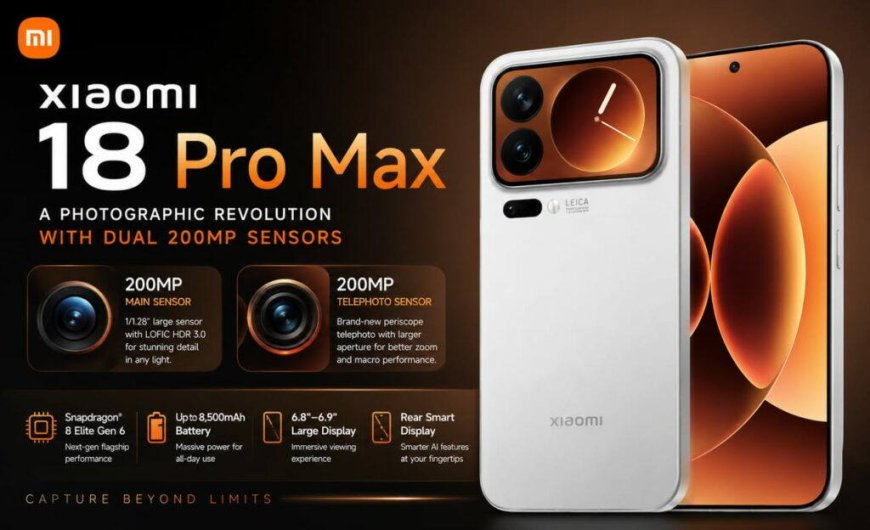
The standard Xiaomi 18 Pro is surprisingly powerful for a phone that isn't the top model. It comes with a 6.4-inch flat AMOLED display with a 2,436 × 1,120 resolution, adaptive refresh rate from 1Hz to 120Hz and up to 4,000 nits peak brightness. The Pro Max takes everything up in size with a 6.9-inch 2,624 × 1,208 AMOLED display, also supporting up to 120Hz and 4,000 nits. Both phones have extremely slim 0.99mm bezels and Xiaomi's Super Pixel 2.0 and M11 OLED technologies.
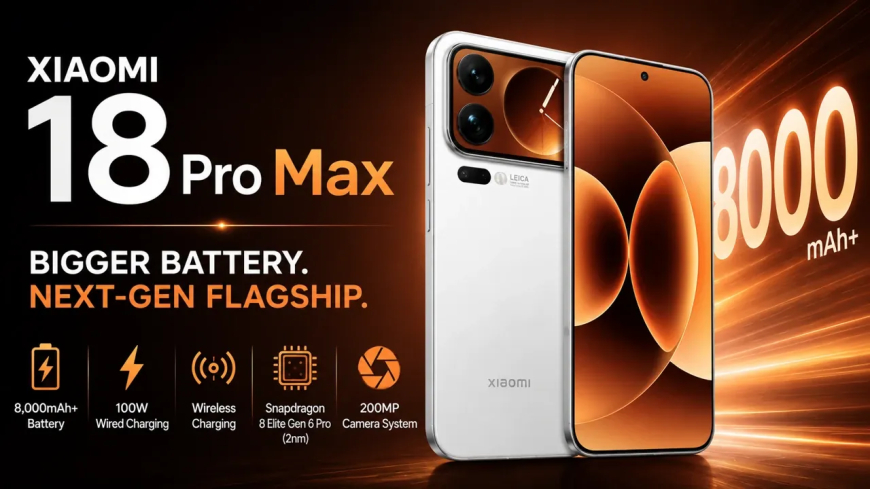
The size difference becomes even more interesting when you look at the batteries. The Xiaomi 18 Pro packs a 7,000mAh silicon-carbon battery, while the 18 Pro Max carries a massive 8,500mAh battery. Both support 100W wired charging, 50W wireless charging and 27W reverse wired charging. Xiaomi says the batteries are designed to retain at least 80% of their original capacity after 2,000 charging cycles. For heavy users, that is one of the biggest attractions of the new generation.
Xiaomi 18 Pro and Pro Max Prices
Xiaomi has positioned the phones firmly in the premium flagship category in China.
| Model | RAM + Storage | China Price |
|---|---|---|
| Xiaomi 18 Pro | 12GB + 256GB | CNY 5,999 |
| Xiaomi 18 Pro | 12GB + 512GB | CNY 6,999 |
| Xiaomi 18 Pro | 16GB + 512GB | CNY 7,999 |
| Xiaomi 18 Pro | 16GB + 1TB | CNY 8,999 |
| Xiaomi 18 Pro Max | 12GB + 256GB | CNY 6,999 |
| Xiaomi 18 Pro Max | 12GB + 512GB | CNY 7,999 |
| Xiaomi 18 Pro Max | 16GB + 512GB | CNY 8,999 |
| Xiaomi 18 Pro Max | 16GB + 1TB | CNY 9,999 |
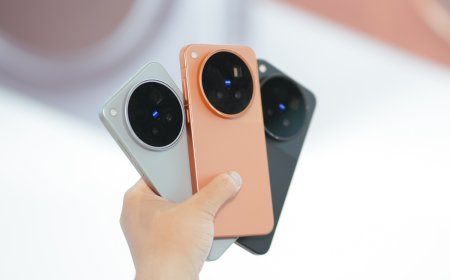
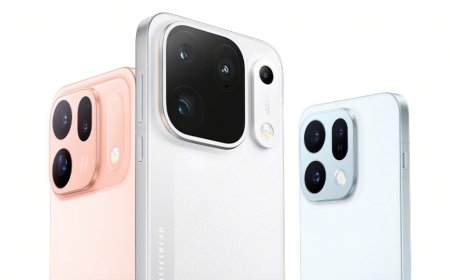
There are also Transparent Special Editions with 16GB RAM and 1TB storage. The transparent 18 Pro is priced at CNY 9,999, while the transparent 18 Pro Max reaches CNY 10,999. The standard phones are available in Black, White, Ice Peach Pink and Galaxy Blue, while the special edition uses a transparent red design.
At current approximate exchange rates used in launch reports, CNY 5,999 is around $895, while CNY 6,999 is around $1,045. These are direct currency conversions, not expected international retail prices. The final global prices could be considerably different once taxes, distribution and regional pricing are included.
2nm Snapdragon Power
Inside the phones is perhaps the biggest performance upgrade. The Xiaomi 18 Pro uses Qualcomm's Snapdragon 8 Elite Gen 6, while the Pro Max steps up to the Snapdragon 8 Elite Extreme Gen 6. Both chips use a 2nm manufacturing process and Qualcomm's fourth-generation Oryon CPU architecture. The standard processor can reach up to 5GHz, while the Extreme version is designed for even higher performance.
Both models can be configured with up to 16GB LPDDR5X RAM and 1TB UFS 4.1 storage. Xiaomi has also upgraded the cooling system, using a circular cold-pump design with a reported heat-dissipation area of 4,355mm² on the Pro and 5,513mm² on the Pro Max. That extra cooling hardware matters because modern flagship chips can generate considerable heat when pushed hard by gaming, video processing and AI workloads.
Early hands-on testing of the Pro Max has already shown the phone handling demanding games at high frame rates. One report recorded more than 4.44 million points in AnTuTu V12, while Honor of Kings reportedly maintained around 120fps at maximum settings. More demanding games such as Genshin Impact and Honkai: Star Rail naturally put more pressure on the hardware, demonstrating why sustained-performance testing is more important than a single benchmark score.
Two 200MP Cameras — Not Just One
The camera system might be the feature most likely to attract photography fans. Both Xiaomi 18 Pro models use a Leica-branded triple-camera setup consisting of a 200MP main camera, a 200MP periscope telephoto and a 50MP ultrawide camera.
The main camera uses a large 1/1.28-inch Light Hunter 960 sensor, while the 200MP periscope uses a 1/1.56-inch sensor. The telephoto provides 3.2x optical zoom and supports up to 12.8x lossless zoom according to Xiaomi's specifications. It can also be used for 75mm portrait photography and close focusing down to around 12cm, giving the camera system considerably more flexibility than a basic telephoto setup.
The important thing here is that 200MP doesn't automatically mean better photographs. Sensor size, optics, stabilization, image processing and dynamic range are just as important. What makes Xiaomi's setup interesting is that the high-resolution sensor isn't limited to the main camera. Having 200MP on both the main and periscope cameras gives the phone much more room for cropping and computational photography at different focal lengths.
Xiaomi is also introducing its Legendary Moment imaging system, combining on-device and cloud processing with several camera styles. The Leica partnership continues to be a major part of the company's attempt to position its flagship phones as serious photography devices.
The Privacy Display Is One of the Most Interesting Features
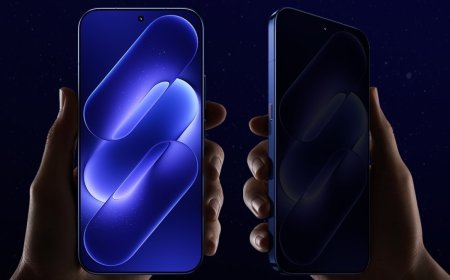
Not every important feature on the Xiaomi 18 Pro is about making the phone faster. Xiaomi has introduced a hardware-level Privacy Display designed to restrict side viewing. In simple terms, the phone can make it significantly harder for someone standing beside you to read what's on the screen.
The system can also react to situations where another person appears to be looking at the display and can protect sensitive content. This is particularly interesting for people who regularly use their phones in crowded places, public transport or offices. Unlike a conventional privacy screen protector, Xiaomi has integrated the technology directly into the phone's display system.
Hands-on coverage has highlighted this as one of the more immediately noticeable features. It isn't something that will make the phone faster or produce better benchmark numbers, but it addresses a very ordinary smartphone problem: someone looking over your shoulder while you're using your phone.
The Rear Screen Is Still Here
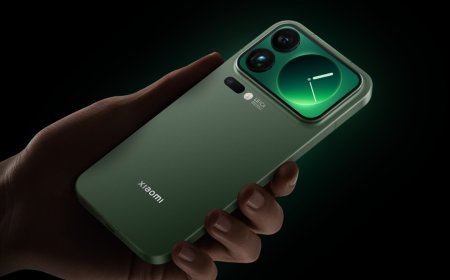
Xiaomi has also continued the rear display concept introduced with its previous flagship generation. The Xiaomi 18 Pro gets a 2.7-inch rear OLED display, while the Pro Max gets a 2.9-inch panel, with refresh rates reaching 120Hz. The rear screen isn't simply a decorative panel — Xiaomi says it supports more than 100 app cards for functions such as notifications, quick controls, music and other small interactions.
Its most obvious practical use remains photography. When taking selfies with the main cameras, the rear display can act as a preview screen, allowing users to use the much more capable rear camera system instead of the front-facing camera. Xiaomi is also expanding the number of things the screen can do, making the feature less of a gimmick than it initially appeared.
Xiaomi Is Going Heavy on AI
The Xiaomi 18 Pro series runs HyperOS 4 and introduces the company's updated Super XiaoAI 2.0 assistant. Xiaomi says its AI system can handle more complex tasks, remember information, control smart-home devices and assist with planning. The company is also pushing cross-device integration between phones, tablets, Windows PCs and Macs.
Both phones also include a customizable physical AI button. Depending on the configuration, the button can provide quick access to functions including the AI assistant, voice notes and privacy-related controls. It is another sign that phone makers are increasingly trying to give AI a dedicated physical entry point rather than leaving everything inside an app.
Design and Durability
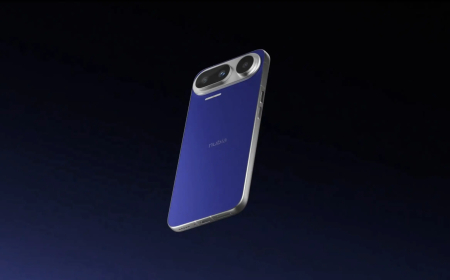
Despite the major internal upgrades, the overall design remains recognizably connected to Xiaomi's previous Pro generation. The phones use a curved-edge frame, extremely narrow bezels and a large integrated rear display/camera module. The standard 18 Pro weighs around 203 grams, while the Pro Max starts around 235 grams, reflecting its much larger display and battery.
Both models also feature Xiaomi Dragon Crystal Glass 3.0 and carry IP66, IP68 and IP69 protection ratings. Stereo audio with Dolby Atmos is included, while the Pro Max uses a three-speaker arrangement. The phones also support UWB, 5G-A, Wi-Fi, Bluetooth and NFC, with UWB enabling features such as compatible digital car keys.
What the Hands-On Experience Says
The first hands-on reports are particularly interesting because the Xiaomi 18 Pro doesn't feel like a phone built around just one gimmick. The combination of a relatively compact 6.4-inch body and 7,000mAh battery makes the standard Pro unusually ambitious. HardwareZone's hands-on report specifically highlighted how Xiaomi managed to fit such a large battery into the smaller phone while retaining the flagship Snapdragon platform and dual 200MP camera system.
The Pro Max, meanwhile, is essentially Xiaomi's statement piece. The 6.9-inch screen, 8,500mAh battery, Extreme Snapdragon chip and large camera system make it a phone designed for people who want maximum hardware rather than maximum compactness. The 235g-plus weight is something buyers will notice, but the payoff is an enormous battery and display.
The early impression is therefore quite clear: Xiaomi isn't trying to make the 18 Pro series merely another fast Android phone. It is trying to give buyers features they can actually notice every day. The privacy display, rear screen, huge batteries and dual 200MP camera system all have a clear purpose, even if not every feature will matter equally to every user.
Global Launch: This Is Where Things Get Interesting
The Xiaomi 18 Pro series is currently available in China, and Xiaomi has confirmed that the phones will also launch globally later this year. However, the company has not yet published final international pricing or confirmed every market that will receive each configuration.
There is also an important detail to watch: reports based on HyperOS code suggest that some global variants could have smaller batteries than the Chinese versions. That information is not yet an official global specification, so it should be treated as a report rather than confirmed fact. If Xiaomi does change battery capacities for international models, the Chinese 7,000mAh and 8,500mAh figures would not necessarily apply to every market.
Final Take
The Xiaomi 18 Pro and 18 Pro Max are shaping up to be two of the most ambitious Android flagships of 2026. The Pro brings a 6.4-inch display and 7,000mAh battery, while the Pro Max goes all the way to 6.9 inches and 8,500mAh. Add 2nm Snapdragon processors, dual 200MP Leica cameras, 100W charging, rear displays and Xiaomi's new Privacy Display, and there is a lot more going on here than a routine yearly upgrade.
The China pricing starts at CNY 5,999 for the Xiaomi 18 Pro and CNY 6,999 for the Xiaomi 18 Pro Max, with top standard configurations reaching CNY 8,999 and CNY 9,999 respectively. The Transparent Special Editions go even higher, reaching CNY 10,999 for the Pro Max.
The real test will come when global units arrive and reviewers can properly measure camera performance, battery endurance, sustained gaming, software behavior and international pricing. But on paper and from the first hands-on impressions, Xiaomi has built a flagship generation that feels genuinely different — not because it has the biggest number in every specification, but because several of its unusual features could actually change how people use the phone.
What's Your Reaction?
 Like
0
Like
0
 Dislike
0
Dislike
0
 Love
0
Love
0
 Funny
0
Funny
0
 Angry
0
Angry
0
 Sad
0
Sad
0
 Wow
0
Wow
0