







































Samsung Reportedly Books 2027 DRAM and HBM Output in Long-Term Deals
A KB Securities analysis reported by Yonhap says Samsung has long-term commitments covering 70% of its 2027 general-purpose memory output and all planned HBM4 production, while price forecasts point to a stronger memory market.
Samsung Reportedly Books 2027 DRAM and HBM Output in Long-Term Deals
Samsung Electronics is reported to have secured long-term demand for most of its 2027 memory production as artificial-intelligence infrastructure continues to absorb advanced chips. The claim comes from a KB Securities analysis reported by Yonhap and does not represent a Samsung announcement confirming individual customer contracts.
What the report says
According to the analysis, Samsung has five-year supply agreements with global big-tech customers covering 70% of its 2027 general-purpose memory output, including DRAM and NAND. It also estimates that 100% of the company’s annual HBM4 production for next year is contracted. That leaves roughly 20% of total memory output outside the cited commitments, with competition from hyperscalers for the remaining capacity. The percentages describe analyst-reported production coverage, not named commercial orders disclosed by Samsung.
KB Securities expects average HBM selling prices to rise 100% to 150% year over year in 2027, helped by HBM4, and forecasts double-digit DRAM price growth in the first quarter compared with the previous quarter. Those are estimates rather than fixed prices or guaranteed revenue. The report therefore supports a positive outlook for Samsung’s memory business, while saying nothing definitive about future Galaxy pricing.
Confirmed technology context
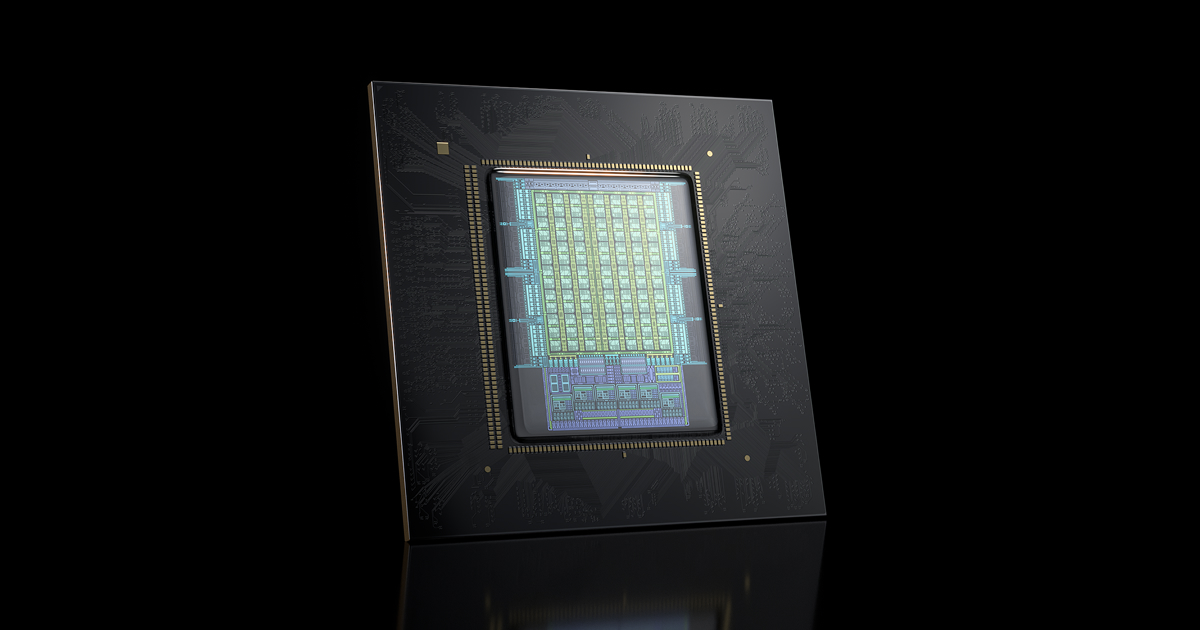
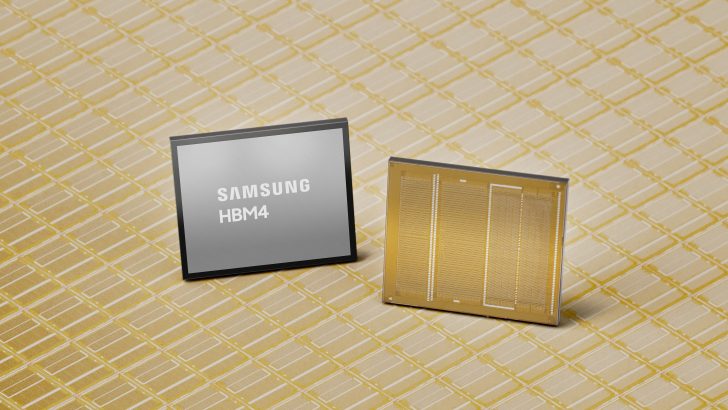
Samsung has separately announced shipments of 12-layer HBM4E samples. The company says the 48GB product can reach 16Gbps and up to 3.6TB/s per stack, with mass production planned around customer schedules.
Sources
- GSMArena report (20 October 2026)
- Maeil Business Newspaper summary of the KB Securities analysis
- Samsung Electronics official HBM4E announcement
What's Your Reaction?
 Like
0
 Dislike
0
 Love
0
 Funny
0
 Angry
0
 Sad
0
 Wow
0