
































































Intel Faces Shareholder Fraud Lawsuit Over Hidden PC Slowdown After $140 Billion Stock Rout
Intel has been sued by shareholders who accuse the chipmaker of concealing a prolonged slump in personal computer sales and a build-up of inventory before its shares plunged 28.6 percent on 30 October, wiping about $140 billion from its market value.
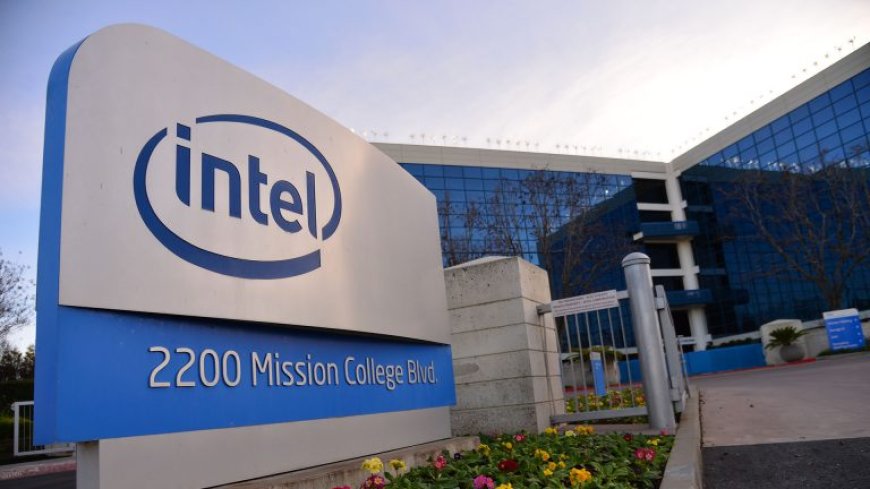
Intel Faces Shareholder Fraud Lawsuit Over Hidden PC Slowdown After $140 Billion Stock Rout
Intel has been sued by shareholders who accuse the American chipmaker of defrauding them by concealing the impact of a prolonged slowdown in personal computer sales, a collapse in confidence that wiped about $140 billion from the company's market value in a single day.
The proposed class action was filed on Friday, 13 November, in federal court in San Jose, California, by shareholders led by the City of Southfield Fire and Police Retirement System, a Michigan pension fund. The complaint says Intel was too slow to disclose how weakening PC demand and a build-up of inventory would weigh on its revenue, leaving investors blindsided when the company finally warned of a long downturn.
What shareholders allege
According to the lawsuit, Intel's troubles in its PC business outweighed the benefits it expected from data centre construction and the artificial intelligence boom. Shareholders say the company kept investors in the dark about the scale of the problem even as it talked up growth in AI infrastructure.
The case seeks unspecified damages on behalf of investors who bought Intel shares between 23 July and 29 October 2026. Alongside the company, it names chief executive Lip-Bu Tan and chief financial officer David Zinsner as defendants. The allegations have not been established in court.
The $23 billion share sale at the centre of the case
A central part of the complaint is a $23 billion share sale Intel completed in mid-August. Shareholders allege Intel had the motive and opportunity to defraud investors by raising the capital halfway through what the complaint describes as a "disastrous" third quarter, selling roughly 242 million shares at $95 each, according to the company's regulatory filing. The offering closed on 12 August.
The sale came as Intel looked to build out its chip contract manufacturing business, a key part of Tan's strategy for the company. Intel shares closed on Friday, 13 November, at $59.66 — well below the $95 price at which the company sold stock in August.
The October 30 sell-off
The lawsuit follows a brutal day for Intel investors on 30 October, when the stock plunged 28.6 percent in a single trading session. The sell-off came a day after Intel reported third-quarter results and issued a weaker-than-expected outlook for the December quarter, forecasting lower revenue and profit and a prolonged slowdown in PC sales.
Intel's third-quarter revenue was $16.5 billion, up 21 percent on a year earlier, according to the company's 29 October earnings report. But the guidance overshadowed the headline growth. Tan told analysts he was disappointed by manufacturing supply shortages, an "unprecedented memory crunch" and the resulting softness in PCs.
"We need to address these challenges with urgency," Tan said on the call.
Rising memory prices have made PCs more expensive, weighing on demand, while supply disruptions have made it harder for Intel to benefit from growing demand for data centre chips, despite heavy investment in manufacturing. Tan also warned that the downturn in the PC market could continue at least through the first half of 2027.
Intel's response and what happens next
Intel did not immediately respond to a request for comment on Sunday, 15 November. The case will now move through the San Jose federal court, where a judge must first decide whether to certify it as a class action — a step that would allow the pension fund to pursue the claim on behalf of all shareholders in the class period.
For investors, the wider picture remains mixed. Intel shares are still up 62 percent this year through Friday's close, though they have slid sharply from their recent peak of $142.35 on 30 June. The lawsuit adds legal pressure to a company already wrestling with a weak PC market, a costly foundry push and the aftershocks of its October warning.
Sources
- Reuters — Intel sued by shareholders following 29% stock plunge
- Channel News Asia — Intel sued by shareholders following 29% stock plunge
- Firstpost — Did Intel hide its PC troubles before raising $23 billion? Shareholders file fraud lawsuit
- The Indian Express — Intel sued by shareholders following 29% stock plunge
What's Your Reaction?
 Like
0
 Dislike
0
 Love
0
 Funny
0
 Angry
0
 Sad
0
 Wow
0