



























































Trump's Nvidia Stock Buys in September Come Under Fresh Scrutiny After Disclosure
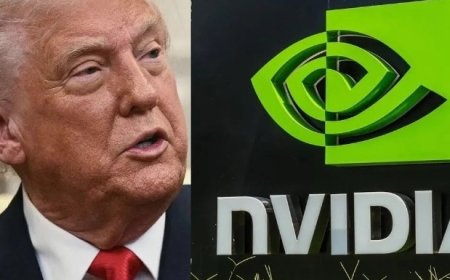
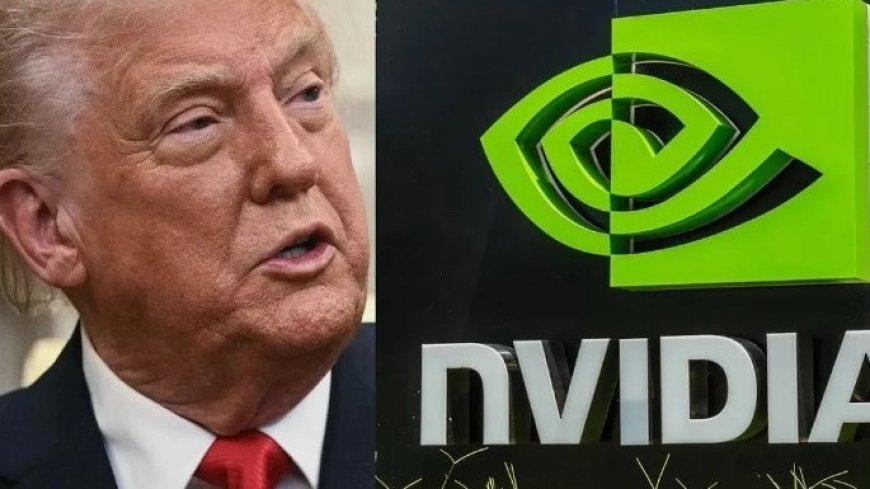
US President Donald Trump bought as much as $265,000 in Nvidia stock in September and sold up to $15,000 of the shares, according to his latest financial disclosure, which was made public on November 19. The trades came weeks before reports surfaced about former Nvidia chief Jensen Huang's ties to a woman accused of spying for Beijing, and as the administration weighs new limits on advanced chip exports.

Trump's Nvidia Stock Buys in September Come Under Fresh Scrutiny After Disclosure
US President Donald Trump bought as much as $265,000 in Nvidia stock in September and sold as much as $15,000 worth of the shares, according to his latest financial disclosure, which was made public on Thursday, November 19. The trades came weeks before reports surfaced about former Nvidia chief executive Jensen Huang's ties to a woman accused of spying for Beijing, and as the administration weighs policies that could shape Nvidia's future.
The Nvidia trades were among hundreds the president made in September, according to the disclosure, which Trump signed on November 1 and the US Office of Government Ethics released on Thursday. Because federal officials declare the value of their assets in ranges, the precise amounts of Trump's trades could not be determined, Reuters reported.
What the disclosure shows
The filing shows Trump was an active Nvidia trader through the late summer. In August, he bought as much as $1.6 million worth of Nvidia shares and sold as much as $1 million of the stock, Reuters previously reported. September's activity was smaller: purchases of up to $265,000 and sales of up to $15,000.
The same disclosure also shows Trump bought as much as $315,000 in SpaceX stock in September, adding another high-profile technology holding to a portfolio that has drawn attention throughout his presidency.
Nvidia is the world's leading maker of advanced AI chips, which are widely used to develop cutting-edge artificial intelligence systems and have become central to US efforts to maintain a technological edge over China. The US has for years sought to limit China's access to Nvidia's most advanced chips, driven by concerns that China could use them to build weapons or superior AI tools.
The timing question
The September trades landed weeks before news reports surfaced that Huang had a romantic relationship with a woman accused of spying for Beijing. Nvidia has faced heightened scrutiny since then, and Huang resigned as chief executive on November 12, with chief financial officer Colette Kress stepping in as interim chief executive.
The New York Times reported that Trump had been briefed in 2025 on Huang's relationship with the woman and on intelligence that she was giving information to the Chinese government, and that he chose not to act on the information. Trump has said he "was amazed" by the allegations against Huang, who is among the president's closest allies in Silicon Valley. Reuters has not independently confirmed that the woman is a spy.
Separately, Reuters reported that Huang misled Nvidia's top lawyer and other senior leaders about the relationship, adding to the questions surrounding the company's leadership in the weeks before his departure.
White House: portfolio independently managed
The White House did not immediately respond to a request for comment on the new disclosure. In October, White House spokesperson Davis Ingle said in a statement that third-party financial institutions independently manage the president's portfolio and replicate "recognized indexes, such as the Schwab 1000."
"There are no conflicts of interest," Ingle said at the time.
That defence is likely to be tested again, because the disclosure arrives at a moment when the administration's decisions directly affect Nvidia's business. On Monday, the administration said it would further limit China's access to advanced AI chips from companies such as Nvidia by restricting shipments of advanced chips to Southeast Asian countries, which Chinese companies have used to access computing power to train AI models.
Treasury Secretary Scott Bessent has also pointed to delays in adding the Chinese AI firm Megaspeed to the US entity list, a dispute that has put the administration's own handling of chip export controls under the spotlight. Nvidia executives, including Huang, have argued for broader access to China, while Chinese companies and researchers have repeatedly found ways around the US export restrictions.
Why it matters
The disclosure does not show that Trump personally directed any of the trades, and the White House maintains that outside managers run the portfolio. But the combination of timing, scale and subject matter is what makes the filing newsworthy: the president held and traded shares in the company at the centre of the administration's most sensitive technology policy decisions, in the same weeks that the questions about its former chief executive were about to become public.
For now, the filing answers the question of what Trump bought and sold. It does not answer what he knew, or when — and the ranges on the disclosure form mean even the amounts remain approximate. What is clear is that Nvidia, and the politics around it, will stay at the centre of Washington's technology debate for some time.
Sources
- Reuters — "Trump bought up to $265,000 of Nvidia stock in September, disclosure shows" (November 19, 2026)
- The New York Times — reporting on Trump's 2025 briefing on Huang's relationship
- US Office of Government Ethics — financial disclosure signed November 1, 2026, made public November 19, 2026
What's Your Reaction?
 Like
0
 Dislike
0
 Love
0
 Funny
0
 Angry
0
 Sad
0
 Wow
0