



































































TSMC Suspends 16nm-and-Below Chip Orders for Chinese Designers Under New US Rules
TSMC is suspending advanced manufacturing orders from Chinese chip designers and limiting them to older 28nm and 40nm processes, after new US Commerce Department rules that took effect on November 19 closed a compliance route that had let some designers use the world's largest contract chipmaker without individual export licences.

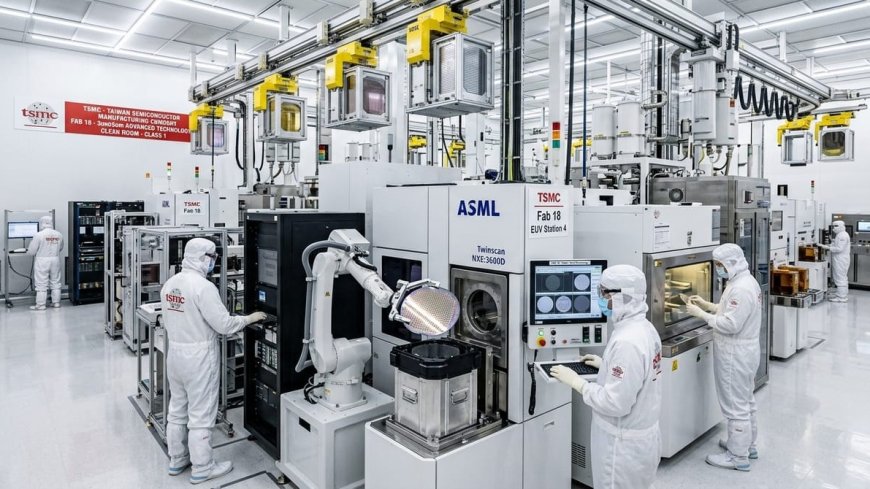
TSMC Suspends 16nm-and-Below Chip Orders for Chinese Designers Under New US Rules
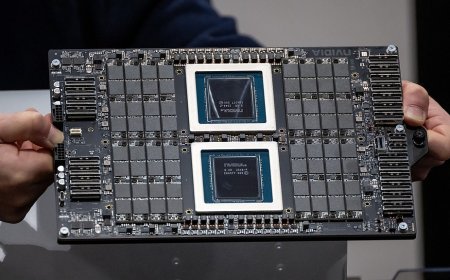
Taiwan's TSMC is tightening restrictions on Chinese chip designers, suspending some previously permitted advanced manufacturing orders and generally limiting affected customers to older chipmaking technology, according to two people familiar with the matter. The move could close one of the last remaining routes for Chinese companies to produce powerful AI processors, complicating Beijing's efforts to build domestic alternatives to chips designed by Nvidia and manufactured by TSMC.
The world's largest contract chipmaker has instructed that affected orders using manufacturing processes of 16 nanometres and below be halted unless customers obtain US export licences, the people said. Chinese designers will generally be limited to older 28-nanometre and 40-nanometre processes, provided their chips do not use high-bandwidth memory, or HBM, or require advanced packaging, according to TSMC guidance reviewed by the two people.
What TSMC told its customers
The guidance reaches well beyond the most advanced AI processors. Most leading AI chips are produced using 7-nanometre processes or smaller, which allow faster and more energy-efficient performance, while HBM lets processors handle the vast data volumes AI applications demand and advanced packaging integrates chips and memory to boost computing power. By drawing the line at 16 nanometres, TSMC's instructions cover a wide band of modern chip designs, not only cutting-edge AI accelerators.
TSMC's guidance also requires closer scrutiny of customers' operating locations, parent companies, major shareholders, packaging providers and shipping routes, the people said. The checks extend to orders placed through overseas subsidiaries or intermediaries, including entities in Taiwan, the US, Europe, Japan and Southeast Asia — a sign the company is guarding against workarounds through third countries.
Some Chinese AI chip designers still had access to TSMC's 7-nanometre manufacturing technology before Thursday, a separate source with direct knowledge of the matter said. Reuters said it could not independently verify the arrangements under which those chips were manufactured.
How the US rules changed
The restrictions follow new US Commerce Department rules that took effect on Thursday, November 19, removing a compliance route that had allowed some Chinese designers to access advanced manufacturing services without individual export licences. The rules were announced on Monday by the Commerce Department's Bureau of Industry and Security.
Previously, TSMC could check the computing power and other technical characteristics of certain Chinese chip designs to determine whether they fell outside US export controls. Under the new rules, TSMC can no longer use that verification process for affected Chinese customers. Their advanced chips are instead presumed to be covered by US controls, requiring export licences unless an exception applies.
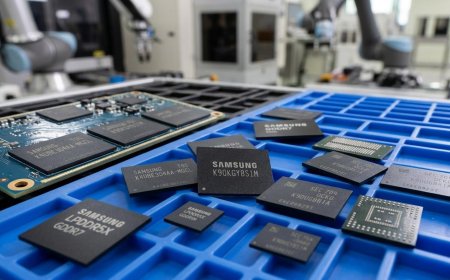
The Financial Times first reported on Thursday that TSMC and South Korea's Samsung Electronics had suspended some chip shipments to Chinese customers following the new restrictions.
Why it matters for China's AI ambitions
The measures could particularly affect Chinese companies developing alternatives to Nvidia's processors, including independent chip designers and technology giants that have developed in-house chips. A US government list of approved chip designers includes Nvidia, AMD, Apple and Taiwanese companies MediaTek and Realtek — but no mainland Chinese firms.
The manufacturing squeeze is the latest in a series of US moves this month to tighten the flow of advanced computing power to China. Washington had already moved to close a separate route that let Chinese companies access restricted AI chips remotely through overseas data centres, and Nvidia has ended H200 chip sales in China as the new export rules take hold.
For Chinese designers, the practical consequence is stark: without a US licence, the most advanced production lines at the world's leading foundry are now closed to them, and the fallback is technology generations behind the state of the art.
Broader fallout beyond AI chips
The impact is spreading beyond AI processors and beyond China. Nikkei Asia reported on November 20 that TSMC has put shipments to several Chinese and non-Chinese chip developers on hold while it reviews compliance with the stricter regulations, and that the rules are affecting developers in Vietnam, Malaysia, Singapore and other countries, who must now obtain export licences before their chips can be shipped.
Contract chipmakers must now assume that all chips manufactured using process technologies more advanced than the 14- or 16-nanometre nodes first mass-produced by TSMC and Samsung about a decade ago are subject to export restrictions, unless their developers are on a US government whitelist. The rules could therefore affect a broad range of chips, including those used in autonomous driving, connectivity and smartphones, rather than just high-performance processors for data centre servers.
Some key TSMC clients are affected, including Xiaomi, which is developing its own mobile processors, and many Chinese automotive chip developers, two sources told Nikkei Asia. One industry executive said the new rule was very strict and its scope went far beyond chips for data centres, covering smartphone processors, autonomous driving and other consumer electronics chips built on 14-nanometre or 16-nanometre technology or more advanced.
What TSMC said
TSMC said in an email to Reuters on November 20 that it was aware of and would comply with the new Bureau of Industry and Security regulations as applicable, adding that it does not comment on market rumours.
Whether Chinese designers can secure the US export licences needed to resume advanced orders remains an open question, and the answer will shape how quickly China's domestic AI chip industry can keep pace with the processors it can no longer easily have made abroad.
Sources
- Reuters — TSMC tightens China AI chip curbs as new US rules close manufacturing loophole, sources say
- Nikkei Asia — Chip supply chain warns of broader disruption from new US export controls
- The Straits Times — TSMC tightens China AI chip curbs
Related on Innopark IT: US Tightens AI Chip Export Rules to Block China's Remote Access Through Overseas Data Centres and Nvidia Ends H200 Chip Sales in China as New US Export Rules Take Hold.
What's Your Reaction?
 Like
0
 Dislike
0
 Love
0
 Funny
0
 Angry
0
 Sad
0
 Wow
0