






















































Nvidia Stops Selling H200 AI Chips in China in First Big Shift Under Interim CEO Kress
Nvidia will no longer sell its H200 AI chips in China, interim CEO Colette Kress said on the company's first earnings call since Jensen Huang stepped down, ending the tariff arrangement Huang brokered with President Trump — just as new US export rules close the foreign data-centre route Chinese labs had been using.
Nvidia Stops Selling H200 AI Chips in China in First Big Shift Under Interim CEO Kress
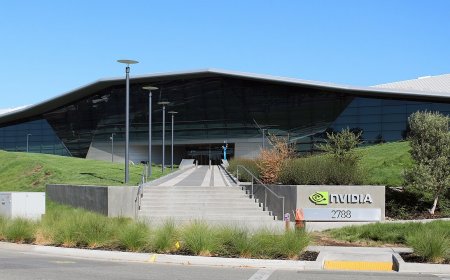
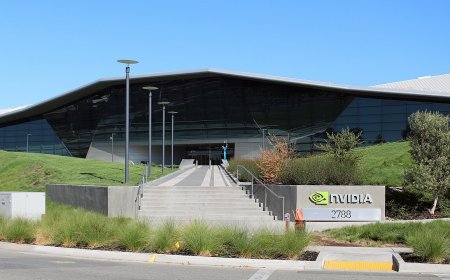
Nvidia will no longer sell its H200 artificial intelligence chips in China, interim chief executive Colette Kress said on Tuesday, ending the company's participation in a controversial arrangement that let Chinese buyers purchase advanced American chips through the United States. The announcement, made on Nvidia's first earnings call since co-founder Jensen Huang stepped down last week, marks the clearest break yet between the company's new leadership and Huang's China strategy.
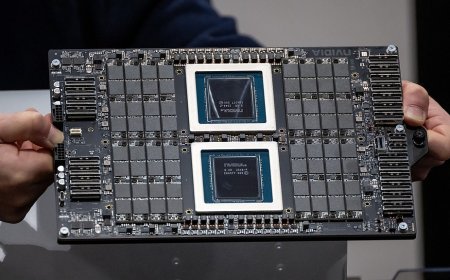
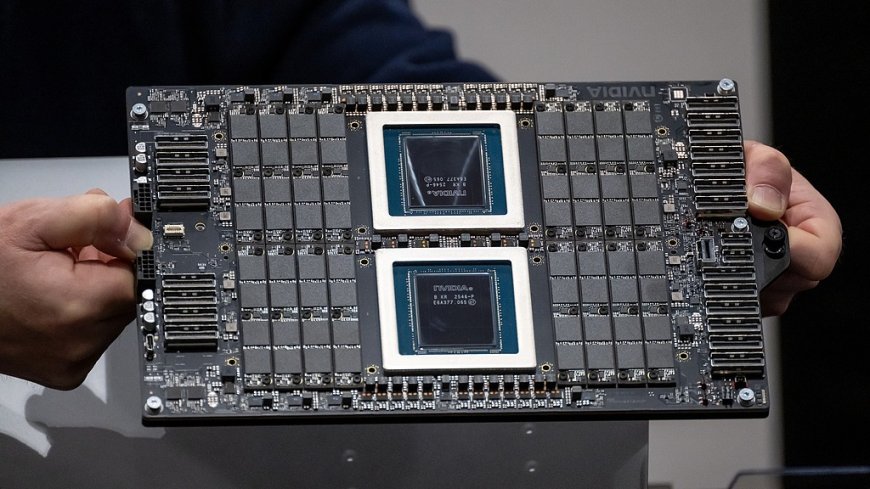
Kress was direct about the change. The company's guidance "does not have any licensed Hopper data center products included, and we are no longer shipping licensed Hopper data center products to China," she told analysts. The H200 is built on Nvidia's Hopper architecture, and the licensed version was the only advanced Nvidia data-centre chip Washington had permitted the company to sell to approved Chinese customers.
The tariff deal that is now over
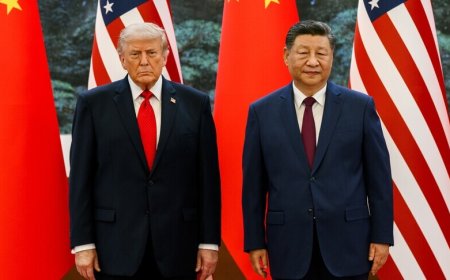
The arrangement Kress ended was brokered by Huang and President Donald Trump. Under it, H200 chips bound for China were routed through the United States so the government could collect a 25 percent tariff on the sales. Huang had defended the deal for months, arguing that it was better for the United States to compete in the Chinese market than to hand it to domestic rivals. In April, he told podcaster Dwarkesh Patel that to concede that market "is a disservice to our country."
The deal angered China hawks in Washington, who wanted to deny Chinese labs the computing power needed to train frontier AI models and preserve the United States' lead in the field. Its end comes alongside a broader tightening of the rules. On Monday, a day before the earnings call, the US Commerce Department issued new export controls barring advanced American chips from foreign data centres that serve Chinese customers remotely — closing the workaround that had kept the tariff arrangement alive. Data-centre operators in Singapore, Malaysia, Thailand, Indonesia and Brazil will now need a US government licence before exporting advanced AI chips to customers in those countries.
What it costs Nvidia — and what it does not
The sums involved are large but, by Nvidia's current scale, manageable. The company sold $2.4 billion worth of licensed Hopper data-centre products to China in the third quarter of fiscal 2027, the period ended October 25 — about 2.1 percent of its total revenue for the quarter. Total revenue reached a record $115.8 billion, up 103 percent from a year earlier, and Nvidia guided fourth-quarter revenue to around $130 billion, a forecast that assumes no data-centre chip sales to China at all.
Kress told analysts that a backlog of demand for advanced chips such as the Vera Rubin platform means the new rules would have no impact on the company's top-line revenue. The longer-term picture is less clear. Investment bank Jefferies forecast that the new export rules might trim between $44 billion and $62 billion from Nvidia's data-centre revenue next year, and in the long run the company may lose potential customers in Singapore, Malaysia, Thailand and Indonesia. Critics of Nvidia's dependence on China argue that as much as 20 percent of its revenue comes from demand linked to the country.
There is also a wrinkle in the story: even before Nvidia decided to stop shipping H200s, China had largely refused to accept deliveries. Beijing would rather steer demand toward its domestic chip industry, even though major Chinese AI computing users still want Nvidia's superior hardware, according to Jacob Feldgoise, a researcher at Georgetown's Center for Security and Emerging Technology.
A new compliance regime at Nvidia
The H200 decision came on the same day Nvidia announced it was creating a board-level committee to oversee national security policies, export-control compliance and global trade risks — a signal that the new leadership intends to treat regulatory compliance as a board matter rather than a chief executive's personal negotiation.
The shift follows Huang's abrupt resignation on November 12. His departure came after reports of an affair with the chief executive of a company under investigation for allegedly smuggling chips into China, and it has coincided with a wave of scrutiny: the US Securities and Exchange Commission has opened a civil probe into whether Nvidia's disclosures misled investors, and the board's own investigation remains open.
The new rules also reach beyond China itself. All of China's leading AI models show evidence of having been trained on Nvidia Grace Blackwell chips, which are prohibited from export to China, with the training apparently taking place at data centres outside the country. Under the new controls, large data centres seeking to buy Nvidia chips for AI training will have to certify that they do not serve any Chinese customers, export-control attorney Dan Fisher-Owens told TechCrunch — and if they cannot provide that certification, the rules may push them toward other chip options and further reduce Nvidia's market share.
For now, Kress's message to investors is that the China exit changes little for Nvidia's finances. Whether that holds depends on how much of the demand now blocked in China and its neighbouring markets finds its way to competitors — and on how strictly Washington enforces a rulebook that is still being written.
Sources
- TechCrunch — Nvidia is abandoning China after Jensen Huang's ouster
- Mezha — Nvidia to stop selling H200 chips in China
- The Economic Times — Nvidia pulls the plug on China AI chip sales amidst US exports scrutiny
Related Innopark IT coverage: Nvidia Posts Record $115.8 Billion Quarter and Guides to $130 Billion as Vera Rubin Ships and Jensen Huang resigns as Nvidia CEO after 33 years; CFO Colette Kress named interim chief.
What's Your Reaction?
 Like
0
 Dislike
0
 Love
0
 Funny
0
 Angry
0
 Sad
0
 Wow
0