



























































Ten Nations Sign San Francisco Declaration to Protect AI Chips, Technology and Supply Chains
The United States and nine partner countries have signed the San Francisco Declaration, a joint commitment to protect the sensitive technologies and critical infrastructure behind artificial intelligence supply chains. Signed on November 15 at the Pax Silica Founders Retreat, the declaration sets up five working groups and moves the US-led Pax Silica coalition from shared principles toward coordinated action — without binding obligations, deadlines or funding.

Ten Nations Sign San Francisco Declaration to Protect AI Chips, Technology and Supply Chains
The United States and nine partner countries have signed a joint declaration to protect the technologies and infrastructure that artificial intelligence supply chains depend on, the US State Department said late on Sunday, November 15. The agreement, known as the San Francisco Declaration on the Secure Foundations of Enduring Prosperity, is the latest step in Washington's effort to build a trusted circle of allies around the chips, materials and networks behind advanced AI.
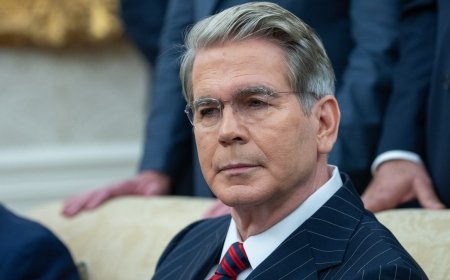
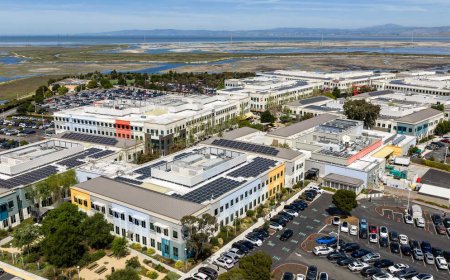
The declaration was signed at the Pax Silica Founders Retreat in San Francisco, convened by Jacob Helberg, the US Under Secretary of State for Economic Affairs. Its ten signatories are the United States, Australia, India, Israel, Japan, South Korea, Qatar, Singapore, the United Arab Emirates and the United Kingdom.
What the declaration says
At its core, the declaration states that economic security underpins national security, and that safeguarding the sensitive technologies and critical infrastructure behind what it calls "Super Intelligence" supply chains is a shared endeavour of the signatories.
It sets out a common understanding of two categories of strategic assets. The first is sensitive technologies: the goods, software, materials, knowledge, components and inputs used to produce them, and their means of production, that are essential to AI supply chains — where theft, illicit transfer or acquisition by hostile actors would hand them a meaningful military or intelligence advantage, or undue economic leverage.
The second is critical infrastructure: the ports, terminals, transport, communications and logistics networks behind those supply chains, the telecoms and energy systems they run on, and the digital platforms and data used to manage them.
Five working groups to turn words into action
The declaration commits the partners to five proposed working groups, which the State Department lists as pro-innovation policy frameworks; adoption of AI in key sectors; supply chain cooperation across the AI stack; safe harbours and supply chain security hubs; and AI security and resilience.
Who will lead the groups, and when they first meet, has not been announced. The declaration itself creates no binding obligations, names no specific chips, companies or countries, and sets no deadlines or funding commitments. Its weight, in other words, will depend on what the working groups actually produce.
The "super intelligence" wording
The text uses the term "Super Intelligence", or SI, throughout — the vocabulary the Trump administration adopted for advanced AI after a September executive order directed federal agencies to use it instead of "artificial intelligence". Not every partner has adopted the new word: a footnote on its first use reads, "For some participants, 'super intelligence' refers to 'artificial intelligence.'"
How Pax Silica got here
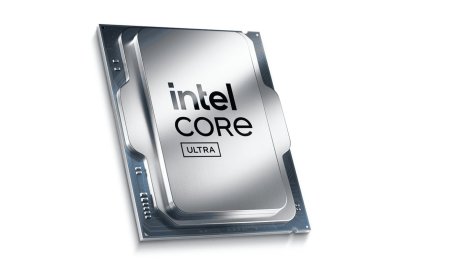
Pax Silica is the US-led coalition launched in December 2025 to secure the supply chains behind semiconductors, critical minerals and AI. Its first, short declaration of principles had gathered 26 signatories by October 2026, according to a timeline kept by the Information Technology and Innovation Foundation — among them the European Commission, which signed in June.
The San Francisco Declaration moves a smaller core of ten governments from that statement of principles to a shared definition of what is worth protecting, and a path to act on it. The State Department says more countries are expected to join: Under Secretary Helberg told the Financial Times that Germany, Sweden, the Netherlands and the European Commission are expected to sign in the coming days.
Why it matters now
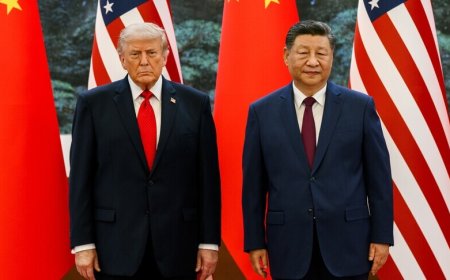
China appears nowhere in the text. But its language about economic coercion, non-market policies and keeping technology from undue access, influence or control echoes long-standing US complaints about Beijing, and the signing comes days before President Donald Trump is due to meet Chinese President Xi Jinping at the APEC summit in Shenzhen, where chips and AI are expected to be discussed.
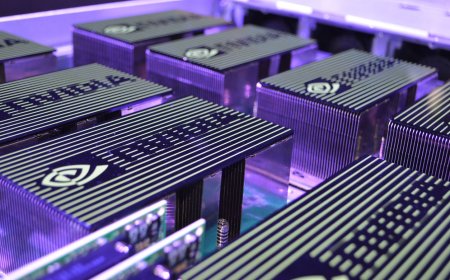
Beijing, for its part, has been tightening its own grip: in October its commerce and science ministries proposed export controls on 23 AI technologies, from large models to AI chip design. Washington has also been tightening the screws at home — Treasury Secretary Scott Bessent recently gave Nvidia ten days to address the use of shell companies to move advanced chips to China, a story Innopark IT covered in its report on the Bessent deadline.
US media have also reported that the administration is preparing a list of American AI "national champions", including Nvidia, OpenAI and Anthropic, to help them sell abroad. The declaration does not mention any of them.
For now, the San Francisco Declaration is a statement of intent, not a set of rules. Whether it changes anything on the ground will be decided in the working groups — which, so far, exist only on paper.
Sources
- US Department of State — San Francisco Declaration on the Secure Foundations of Enduring Prosperity and media note
- The Economic Times — "Building dragon-proof wall: US, allies team up to protect AI" (November 17, 2026)
- The Statesman — "Amid Nvidia crisis, India joins US-led AI supply chain pact to counter China-linked technology risks" (November 16, 2026)
- MadRobot — "Pax Silica: US and 9 allies sign San Francisco Declaration on AI" (November 16, 2026)
- Financial Times, via reporting on Under Secretary Jacob Helberg's remarks on further signatories
What's Your Reaction?
 Like
0
 Dislike
0
 Love
0
 Funny
0
 Angry
0
 Sad
0
 Wow
0