


































































SpaceX Lenders Tried to Keep $43 Billion of Nvidia Chips on Earth — You Can't Repossess a GPU in Orbit
Lenders behind SpaceX's $43 billion Project Saturn financing sought assurances that the Nvidia chips securing the debt would not be launched into orbit, the Financial Times reported, because chips in space could not be repossessed or resold if SpaceX ever defaulted.

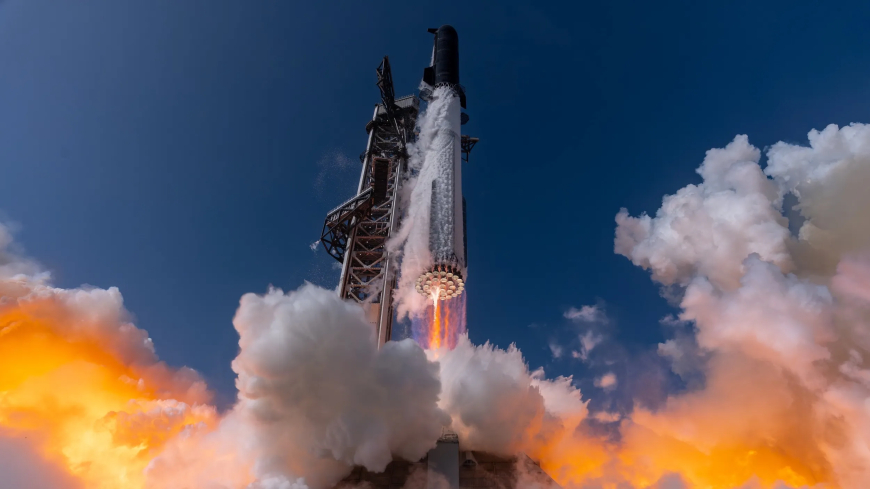
SpaceX Lenders Tried to Keep $43 Billion of Nvidia Chips on Earth — You Can't Repossess a GPU in Orbit
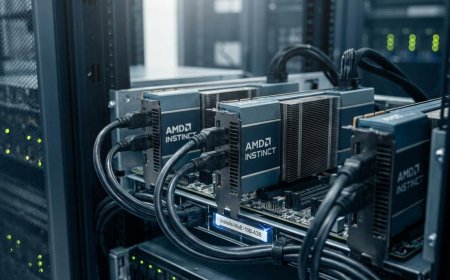
SpaceX's lenders have one unusual request for Elon Musk: please do not launch the collateral into space. The lenders behind the company's $43 billion debt package, known as Project Saturn, sought assurances that the Nvidia chips securing the loans would not be sent into orbit, the Financial Times reported on Friday, November 20. The reason is disarmingly practical. If SpaceX ever defaulted, chips circling the planet hundreds of miles above Earth would be almost impossible to reclaim and resell.
It is not clear whether the lenders succeeded in getting the restriction written into the final loan documents. SpaceX has said it plans to use the financed chips in data centres on Earth, and the company did not respond to the Financial Times. But the dispute is an early glimpse of the legal questions that follow when a company built around rockets starts borrowing tens of billions of dollars to buy the most valuable hardware in the AI boom.
The clause lenders wanted
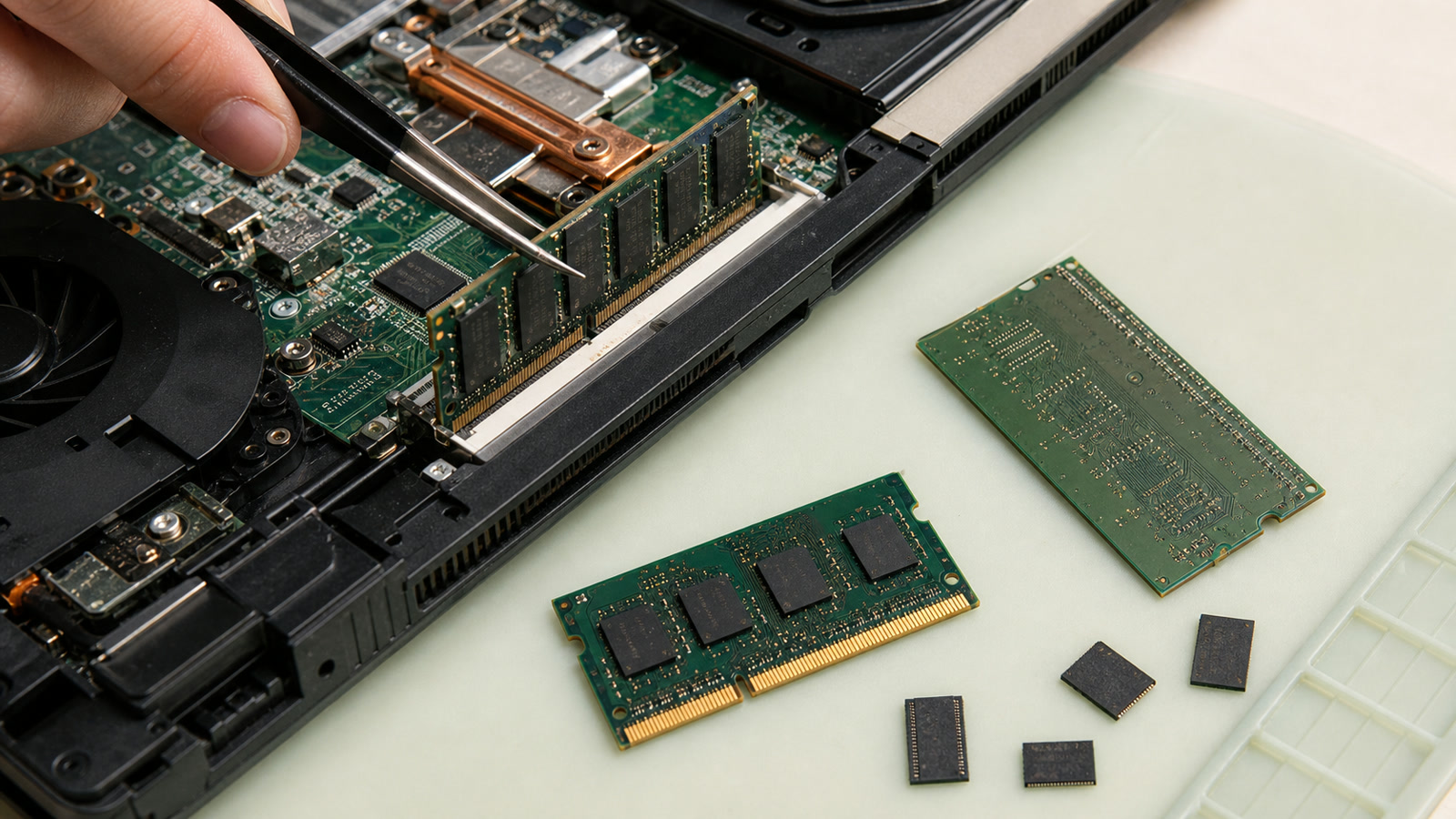
According to the Financial Times, citing people familiar with the discussions, lenders asked that none of the chips purchased under the financing be used for SpaceX's orbital data centre plans. Their concern is straightforward: the chips are the security behind the debt. In a normal equipment financing, a lender that is not repaid can take possession of the hardware and sell it on. That backstop is what makes chip financing cheaper in the first place. Older AI chips still hold much of their value — research from Compute Credit Index cited by TechCrunch found some H100 chips selling for about half of their original cost basis from 2023, while some H200 configurations were selling for roughly the same price as when they were introduced in 2024.
None of that helps if the hardware is in orbit. As TechCrunch put it, nobody is going to repossess chips installed in a satellite travelling 300 miles above Earth at 17,500 miles per hour. Rapid advances in semiconductor technology add to the worry, since the collateral value of the chips could fall before the debt matures, making physical access to them even more important to lenders.
SpaceX has told investors the financed chips will operate in data centres in the United States that it majority-owns, controls and operates. Moody's, which rated the debt, has described the same terrestrial use. Even so, lenders pushed for a legal assurance that Musk would not later change his mind, load the chips into a Starship and launch them into orbit. The Financial Times could not determine whether such an assurance made it into the finalised documents.
Inside Project Saturn
The financing package, called Project Saturn, supports SpaceX's purchase of Nvidia processors for its expanding AI business. More than $30 billion of the debt was sold to large investors on Thursday, November 19. The largest piece is a $25 billion investment-grade bond backed by about five years of lease payments for the chips, which priced at a yield of about 8.3 percent, or 3.45 percentage points above US Treasury rates. That compares with roughly 7.2 percent on SpaceX's existing debt maturing in 2031. The notes mature in 2032, but SpaceX will repay the principal within about four years to limit creditors' exposure.
Moody's assigned the debt an A3 rating, one notch above SpaceX itself, while KBRA gave it an A-minus rating. More than $19 billion in commitments had been secured before the sale, including $4 billion from Pimco, with BlackRock, Goldman Sachs Asset Management and KKR-linked funds also making early commitments. The bonds are issued through a special purpose vehicle, which keeps the borrowing off SpaceX's balance sheet and protects its investment-grade rating.
The deal traces back to an announcement on October 26, when SpaceX said it had a binding commitment for an approximately $40 billion equipment lease with an Apollo-managed entity, with Apollo Global Management and Goldman Sachs leading the transaction. Deliveries of Nvidia's next-generation Vera Rubin systems are expected to begin during the first half of 2027, subject to closing conditions. The October lease and the $43 billion financing package describe related arrangements, not two separate sums to be added together.
Why orbit breaks the collateral model
The dispute matters because the entire data centre ecosystem now runs on debt financing. Cloud providers borrow to build out data centres, then repay the loans from the revenue the computing generates. The chips themselves are the collateral that makes the borrowing affordable. That model was designed for warehouses full of servers on the ground, where a lender can walk in and take the equipment away.
Orbital data centres turn that assumption upside down. A satellite packed with AI chips cannot be towed back to Earth, inspected and resold. Its value to a lender depends on legal rights and insurance rather than physical possession, and those are untested at this scale. If SpaceX's orbital ambitions grow, future financings may have to price in that risk — which could mean higher borrowing costs for chips that go to space than for identical chips that stay on the ground.
That is not a hypothetical problem for the industry. Reuters reported last week that lenders were becoming more selective about AI-related borrowing, while Goldman Sachs Research projected that hyperscaler debt issuance could reach $420 billion in 2027. The SpaceX episode shows the scrutiny is not only about how much is being borrowed, but about what exactly secures it.
Musk's orbital data centre vision
Musk has argued for months that space could become the cheapest place to run data centres. At the start of 2026 he said he believed space would be the cheapest place to operate them within two to three years, pointing to limitless solar power and the vacuum of space as a way to shed the heat that terrestrial data centres spend heavily to remove. In January, SpaceX asked the US Federal Communications Commission for approval to launch one million orbital data centre satellites. A recent preprint paper from researchers at University College London estimated that such a fleet would increase rocket emissions by a factor of 150 compared with 2025 levels.
Getting there depends on Starship. Musk's argument only works if the rocket can fly in a fully reusable configuration, and in its most recent flight test the company failed to recover the booster stage, though it did land the orbital stage back at its launch facility in Texas. It is not yet clear when the second stage will fly again, or how expensive it will be to prepare it for a second trip.
SpaceX is not alone in looking upward. Google is focused on deploying its own TPU chips in space through a project called Suncatcher, which could give it an advantage if buying chips for orbit turns out to cost more than buying them for the ground. SpaceX and Tesla are also working together to build their own chip foundry, Terafab, in the United States, but that project has yet to break ground and will need years and billions of dollars before it produces semiconductors at scale.
For now, the terrestrial business is what pays. SpaceX says its Apollo-backed GPU arrangement is intended for land-based computing, and on the company's most recent earnings call Musk described dispatching engineers from the rocket team to accelerate the ground-station build-out, including taking on challenges like casting turbine blades for generators faster than existing suppliers. Even so, open questions remain about finding land and power for the expansion, with many potential projects facing delays and local opposition while markets watch whether demand for computing keeps pace with the borrowing behind it.
What happens next
The immediate question is a documentary one: whether the orbit restriction lenders sought actually appears in the signed Project Saturn documents. That detail may never become public, since the loan agreements are private. What is public is the tension it exposed. Musk's plan to put AI computing in orbit and Wall Street's need to secure its loans are pulling in opposite directions, and the financing market has now noticed.
Until the industry works out how to finance hardware that lives in space — through insurance, legal structures or simply higher yields — Musk's orbital data centre dream will stay partly grounded. The chips may survive the space environment, as TechCrunch's headline put it, but their financing is another matter. SpaceX's shares closed 3.53 percent lower at $138.43 on Thursday, before the lender concerns were widely reported.
SpaceX's AI ambitions are not new. The company is already building large AI computing campuses in Texas and Arizona, as Innopark IT reported earlier this month, and the chips at the centre of Project Saturn are destined first for data centres on the ground. Whether any of them eventually reach orbit will depend on rockets, regulation — and now, the small print of a $43 billion loan.
Sources
- TechCrunch — Chips can survive the space environment — can their financing?
- TradingView / Invezz — SpaceX stock: why are lenders trying to stop Elon Musk's AI space plans?
- TipRanks — Why SpaceX Lenders Want to Stop Musk from Sending Billions in AI Chips into Space
- Dealroom — You can't repossess a GPU in orbit: SpaceX's lenders sought to bar $40bn of collateral chips from being launched into space
- Gizmodo — Elon Musk's Lenders Have One Request: Please Don't Launch Our AI Chips Into Space
What's Your Reaction?
 Like
0
 Dislike
0
 Love
0
 Funny
0
 Angry
0
 Sad
0
 Wow
0