





























































Apple Hits 57% of US Smartphone Shipments as Market Shrinks 9% in Q3 2026
Counterpoint Research says US smartphone shipments fell 9 percent year on year in the third quarter of 2026 as rising memory costs squeezed Android makers, while Apple grew iPhone shipments and took a record 57 percent share of the market.

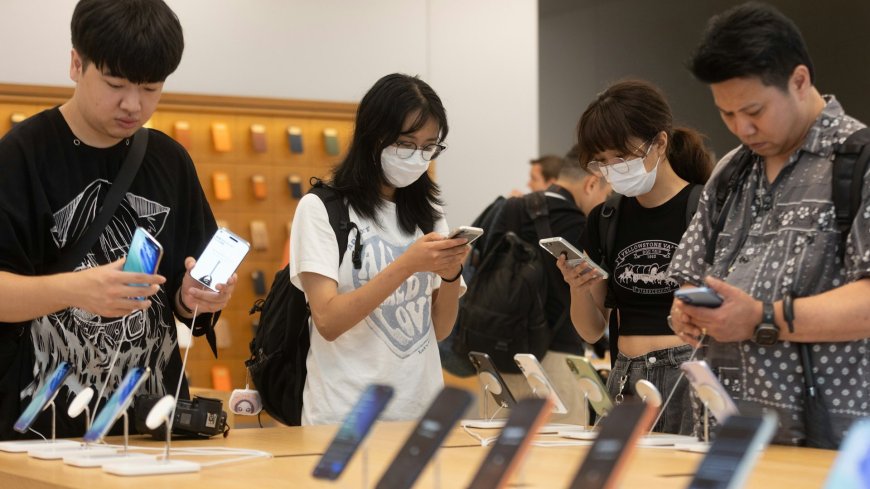
Apple Hits 57% of US Smartphone Shipments as Market Shrinks 9% in Q3 2026
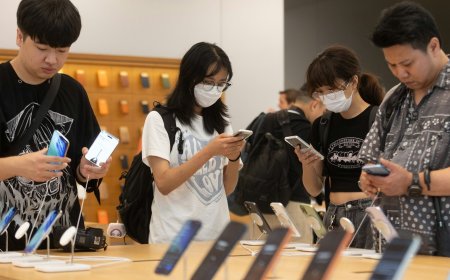
Apple tightened its grip on the American smartphone market in the third quarter of 2026, taking a 57 percent share of US shipments even as the overall market shrank. According to Counterpoint Research's latest Market Monitor report, smartphone shipments in the United States fell 9 percent year on year between July and September, with rising memory component costs weighing hardest on Android makers. Apple was the only major manufacturer to grow its shipment volumes in the quarter.
The iPhone maker lifted its share by seven percentage points from the 50 percent it held in the same quarter a year earlier, and by three points from the 54 percent it recorded in the second quarter of 2026. Counterpoint says iPhone shipments rose 7 percent year on year and 3 percent quarter on quarter, a performance no other big brand in the US market matched.
Apple alone in growth
The headline numbers underline how lopsided the US market has become. Apple now accounts for well over half of every phone shipped in the country, and its lead over the rest of the field widened through the summer. The gains came against a backdrop of falling demand and higher costs, which makes the growth all the more striking: while rivals cut back or lost ground, Apple kept selling more iPhones than it did a year ago.
Counterpoint's data also points to a strong revenue story behind the volume figures. Separate figures from the research firm show global smartphone revenue still grew 3 percent year on year in the third quarter, with Apple capturing a record 50 percent share of worldwide smartphone revenue.
Samsung holds second, but slips from spring
Samsung remained a clear second in the United States with a 25 percent share, up one point from a year earlier. That yearly gain, however, masks a sharp slide from the spring: the South Korean company held 30 percent of the market in the second quarter of 2026 before giving back five points over the summer.
Counterpoint credits Samsung's dual strategy of flagship models and low-end A-series devices with helping it perform relatively better than other Android manufacturers. The approach spread its exposure across price points, so weakness at the budget end did not hit it as hard as it hit rivals that depend more heavily on cheap handsets.
Motorola and Google feel the squeeze
Motorola sits third in the US market, but its position weakened noticeably. Its shipment share fell four points year on year to 8 percent in the third quarter, after a period of positive growth in the second quarter. Counterpoint says rising memory costs hit demand for the brand's affordable handsets, the segment where Motorola is strongest.
Google held fourth place with an estimated 6 percent share. That was three points higher than the previous quarter, helped by sales of the Pixel 11 series, but still one point below the 7 percent it held in the third quarter of 2025. Counterpoint notes that Pixel 11 shipments were weaker year on year, even though the new phones lifted Google's standing from the spring.
Together, Apple and Samsung controlled 82 percent of US smartphone shipments in the quarter. The top four brands — Apple, Samsung, Motorola and Google — accounted for 97 percent, leaving just 3 percent for every other manufacturer combined.
Memory costs are reshaping the low end
The common thread running through the quarter's results is the cost of memory. Global memory constraints pushed component prices higher, and the pressure fell hardest on low-end Android devices, where margins are thinnest and there is little room to absorb extra costs. Counterpoint attributes the broader US contraction to that squeeze, alongside sluggish demand for budget phones.
Apple and Samsung, with their premium-heavy line-ups and stronger pricing power, were better placed to ride out the cost increases. Brands built around affordable handsets had no such cushion, and the quarter's share movements show it: the market's centre of gravity moved further toward the top end, and toward the two companies that dominate it.
Whether the pattern holds into the holiday quarter will depend on how far memory prices climb and how much of that cost reaches the shelf. For now, the third quarter's message is clear — in a shrinking American market, Apple is not just leading, it is pulling away.
Sources
- Gadgets360 — US Smartphone Shipments Fall in Q3 2026 as Apple Hits 57 Percent Share, Samsung 25 Percent: Counterpoint
- SamMobile — Samsung and Apple were the only OEMs to increase US phone shipment shares year-on-year in Q3 2026
- Android Authority — Google Pixel 11 doubles US market share in Q3 2026
- MacDailyNews — Apple and Samsung only OEMs to grow U.S. smartphone shipment shares in Q3 2026
- Counterpoint Research — Market Monitor, Q3 2026 (via the reports above)
What's Your Reaction?
 Like
0
 Dislike
0
 Love
0
 Funny
0
 Angry
0
 Sad
0
 Wow
0