


































iFixit Teardown Shows Apple Watch Series 12 and Ultra 4 Still Aren’t Easy to Repair
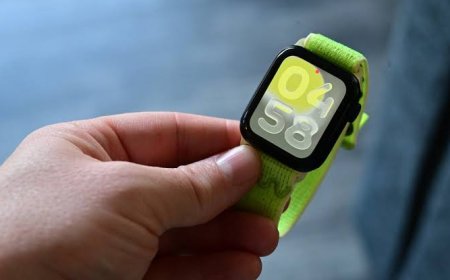
iFixit’s latest teardown gives both the Apple Watch Series 12 and Apple Watch Ultra 4 a 4/10 repairability score. The Series 12 gets a small improvement thanks to a battery pull tab and a simpler display connector, while the Ultra 4 remains essentially unchanged. Both watches still require the glued display to be removed before technicians can reach the battery.
Apple’s New Watches Still Have a Repair Problem
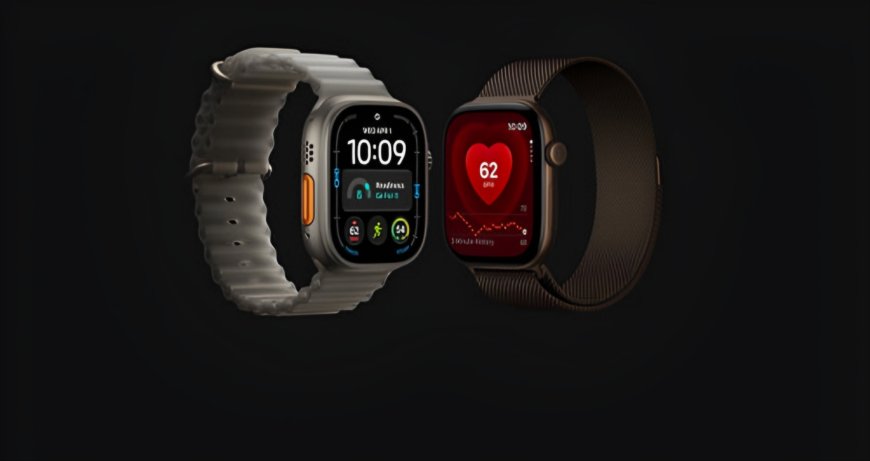
Apple’s latest smartwatches may bring new hardware and health features, but when it comes to fixing them, the story is far less impressive. iFixit has now taken apart the Apple Watch Series 12 and Apple Watch Ultra 4, and its findings suggest that Apple has made only limited progress toward making the watches easier to repair.
Both models received a 4 out of 10 repairability score from iFixit. The Series 12 did improve by one point compared with the previous base Apple Watch model iFixit scored, thanks to a few changes inside the device. The Ultra 4, however, remained at the same score as the previous three generations of Apple Watch Ultra.
The problem is not that the watches cannot technically be repaired. It is that getting inside them is still unnecessarily difficult. Both models rely heavily on adhesive, and reaching the battery means going through the display rather than opening the watch from a more convenient rear access point.
Series 12 Finally Makes Battery Removal a Little Easier
There is at least some good news for the regular Apple Watch Series 12.
During its teardown, iFixit discovered a stretch-release adhesive pull tab attached to the battery. That sounds like a small change, but it matters because earlier Apple Watch batteries required more manual work to remove once technicians had opened the device.
With the pull tab, the battery adhesive can be stretched away instead of forcing a technician to pry the battery out with a tool. That reduces one of the risks involved in the repair and makes the battery itself more straightforward to remove.
The Series 12 also uses a simpler display connection. Apple replaced the previous ZIF connector and tape arrangement with a press connector secured beneath a bracket. It is a cleaner internal design, although there is an important trade-off: replacing the display now also requires removing and replacing the battery.
That means Apple has made one part of the repair process easier without completely redesigning the route technicians have to take to get there.
The Biggest Problem Is Still the Display
The fundamental issue remains the same: the display has to come off before you can reach the battery.
For a device that will eventually need a battery replacement, that creates an awkward repair path. The display is attached with adhesive, and the opening process requires careful heating and prying around a very tight seam.
iFixit found the Series 12 particularly challenging to open because of its tight tolerances. A repair technician has to work carefully around delicate cables beneath the display, meaning an otherwise routine battery replacement carries a risk of damaging the screen during disassembly.
That is an important distinction. A battery pull tab is useful only after the technician has already managed to get inside the watch safely. The hardest part of the repair still happens before the battery can even be touched.
Ultra 4 Barely Changes the Repair Equation
The Apple Watch Ultra 4 tells an even less encouraging story.
iFixit found that the internal repair experience is essentially unchanged from earlier Ultra generations. The four pentalobe screws on the underside might initially look like an obvious entry point, but they do not provide access to the battery.
Those screws lead to the sensor assembly instead. To reach the battery or other major internal components, technicians still have to approach the watch from the display side.
After heating the display and carefully cutting through the adhesive, iFixit was able to reach the battery. The Ultra 4 uses a 2.444Wh battery, compared with 2.313Wh in the Ultra 3, but the larger battery does not come with a more repair-friendly internal layout.
For that reason, the Ultra 4 remained at 4/10, exactly where the previous three generations of Apple Watch Ultra have landed on iFixit’s scale.
Why the 4/10 Score Matters
A repairability score is more than a number for people who plan to keep a device for several years.
Smartwatch batteries naturally lose capacity over time. Unlike some other components, battery degradation is not necessarily the result of accidental damage—it is part of normal use. Making the battery difficult to reach therefore has a direct effect on the long-term serviceability of the product.
iFixit argues that the Apple Watch repair situation is particularly frustrating because Apple already provides repair services for its watches, yet does not offer the same kind of parts, tools and documentation to independent repairers or DIY users through its Self Service Repair program.
That has also brought the company's repair practices into the wider Right to Repair debate in the United States. iFixit says it believes Apple Watch repair practices may not comply with repair laws in ten states, including California, Oregon, Washington, Colorado, New York and Texas. Those are iFixit’s legal and policy conclusions, rather than a court determination.
Google’s Pixel Watch Shows a Different Approach
iFixit’s criticism becomes more significant when the Apple Watch is compared with Google's latest wearable hardware.
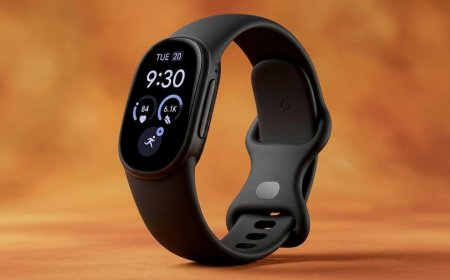
The Google Pixel Watch 5 received a 9/10 repairability score from iFixit. According to the repair company, the Pixel Watch 5 uses two Torx screws and a gasket to provide access to the display, while its battery can also be reached without the same kind of adhesive-heavy opening process.
That comparison does not mean Google's design is perfect or that Apple's engineering is inherently poor. Apple has to balance water resistance, miniaturized components, sensors and the extremely compact dimensions of a smartwatch.
But it does demonstrate that sophisticated health-tracking hardware does not automatically make a highly repairable design impossible.
Apple Watch Series 12 vs Ultra 4: Repairability
The two new watches end up with the same iFixit score, but for slightly different reasons.
The Apple Watch Series 12 receives credit for its battery pull tab and simplified display connector. Those changes make certain repairs less complicated, but the glued display remains a major obstacle.
The Apple Watch Ultra 4, meanwhile, offers no meaningful improvement in the repair process compared with previous Ultra models. Its battery is larger, but technicians still have to remove the display to get to it.
In other words, Series 12 has moved forward—but only by a small step. Ultra 4 has effectively stayed where it was.
A Small Improvement Is Better Than None
It would be unfair to say Apple has done absolutely nothing.
The Series 12's stretch-release battery adhesive and cleaner display connection are genuine design improvements. They show that Apple can make individual components easier to service without fundamentally changing the entire architecture of the watch.
The problem is that those improvements do not address the biggest obstacle: opening the watch without risking damage to the display and its fragile connections.
That is why the Series 12's jump to 4/10 still feels modest rather than transformative. For the Ultra 4, the lack of movement is even more noticeable.
What This Means for Apple Watch Owners
For ordinary owners, iFixit’s teardown does not mean a Series 12 or Ultra 4 is going to fail. These are still highly compact, sophisticated devices designed around water resistance and a wide range of sensors.
The bigger issue is what happens several years down the road.
When the battery eventually needs service, owners remain heavily dependent on Apple's repair network or authorized service options. Independent repair shops and DIY enthusiasts do not have the same official access to parts, tools and documentation that exists for several other Apple product categories.
That is where repairability becomes a long-term ownership issue rather than simply a teardown curiosity.
Apple Has Room to Do Better
The latest teardown leaves Apple in an interesting position. The company has made significant improvements to repairability across parts of its broader product lineup, particularly with newer iPhones and the expansion of its Self Service Repair program.
The Apple Watch, however, appears to be moving much more slowly.
The Series 12 proves that even small internal changes can make a difference. But if Apple wants its smartwatch lineup to keep pace with the company's wider repairability efforts, the next step would need to go beyond adding a battery pull tab. A less destructive way to open the watch, better access to consumable components and official repair documentation would make a much bigger difference.
For now, iFixit's verdict is straightforward: the Apple Watch Series 12 is slightly easier to repair, while the Ultra 4 remains stuck at the same difficult 4/10 level.
Sources
- iFixit — Apple Watch Series 12 and Ultra 4 Teardown
- iFixit — Smartwatch Repairability Scores
- MacRumors — Apple Watch Series 12 and Ultra 4 Repairability Report
- 9to5Mac — Apple Watch Series 12 and Ultra 4 Teardown
What's Your Reaction?
 Like
0
Like
0
 Dislike
0
Dislike
0
 Love
0
Love
0
 Funny
0
Funny
0
 Angry
0
Angry
0
 Sad
0
Sad
0
 Wow
0
Wow
0