





















































UK Secures Supermarket Fridges and Freezers in Secret Operation After European Cyberattacks
A secret three-week UK cybersecurity operation found and fixed a flaw in the controllers running commercial fridges and freezers used by supermarkets, warehouses and restaurants, after hackers knocked out refrigeration systems across Europe. Ethical hackers spotted the weakness in late October and the fix was rolled out before it could be exploited.

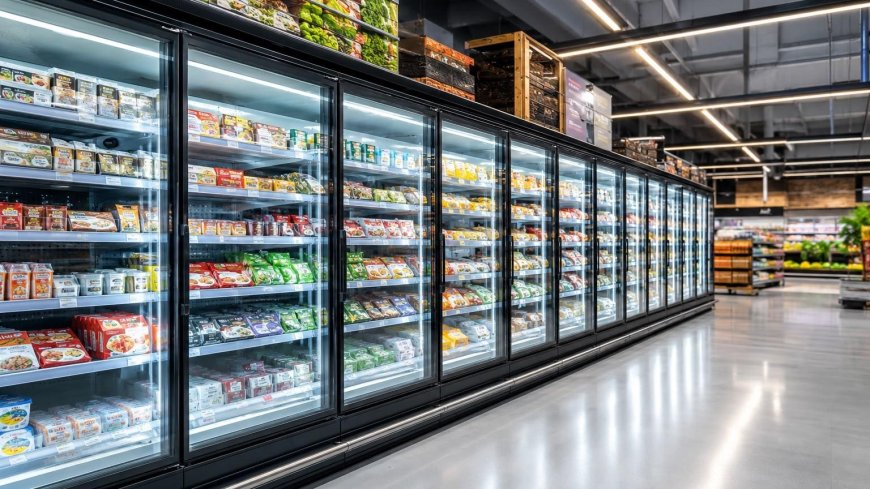
UK Secures Supermarket Fridges and Freezers in Secret Operation After European Cyberattacks
Britain has quietly fixed a flaw in the systems that keep supermarket fridges and freezers cold, in a secret cybersecurity operation that ran for about three weeks. The work was finished before hackers could exploit the weakness, after a wave of attacks knocked out commercial refrigeration across Europe earlier this month.
The vulnerability was found in the controllers that monitor and regulate refrigeration in supermarkets, warehouses, restaurants, petrol stations, hotels and sports venues. A fix has now been developed and rolled out, according to a BBC report carried by Reuters on 20 November.
Britain had been thought to have largely escaped the European attacks because its refrigeration industry uses different equipment. But authorities and industry partners found a flaw that could have given hackers an opening all the same, and moved quickly to close it.
How the flaw was found
The weakness was first spotted in late October by Neil McCourt, a consultant at refrigeration specialist Omega Systems. Ethical hackers from cybersecurity firm Pen Test Partners then examined the problem, confirmed the findings and found a series of additional openings, before contacting the security services.
The controllers at the centre of the operation are made by Glasgow-based Resource Data Management, known as RDM. A single controller can remotely manage the temperatures of dozens of fridges and freezers, which is what made the flaw so serious: one weak point could have put a whole store's cold chain at risk.
Ken Munro, founder of Pen Test Partners, told the BBC that the controllers had a similar weak-password problem to the Danfoss units attacked so successfully in the European hacks. That meant the same kind of attack that had already worked elsewhere could, in principle, have worked in Britain too.
The National Cyber Security Centre, the Department for Environment, Food and Rural Affairs and the Food Standards Agency joined the effort to secure the affected systems. The operation was carried out in secret so as not to alert hackers, and was only made public on 20 November.
What happened across Europe
The urgency was clear from what had already happened on the continent. A wave of cyberattacks earlier in November knocked out commercial fridges and freezers from Sweden to Belgium, while a similar hack hit France in October, forcing stores to throw away millions of euros' worth of food.
French intelligence and cyber agencies accused Iran's Revolutionary Guards of carrying out the October attack, which targeted 700 commercial sites and caused 15 fires after hackers raised the temperatures in refrigeration systems.
Germany's information security office has also warned of continuing vulnerabilities in some of Danish firm Danfoss' industrial cooling appliances, a sign that the risk to refrigeration systems has not gone away.
The fix, and what was done first
Before the fix could be developed and rolled out, the affected companies took their fridges off the open internet and prioritised efforts to secure the devices. Tens of thousands of commercial fridges and freezers across the UK were quietly secured in the operation.
The National Cyber Security Centre said it was aware of a small number of UK organisations that may have been affected by vulnerabilities on their systems, and immediately took steps to alert and support those that could have been impacted. It also shared security advice with food and retail organisations to help them reduce the risk. The centre declined to comment on the BBC report itself.
The episode is a reminder of how much of everyday life now runs on connected equipment. A supermarket freezer is no longer just a cold box: it is a networked device, and when its controller is reachable from the internet, it can be attacked like any other computer. This time, the flaw was found by the right people first.
Sources
What's Your Reaction?
 Like
0
 Dislike
0
 Love
0
 Funny
0
 Angry
0
 Sad
0
 Wow
0