







































NHS Launches World's Largest AI Breast Screening Trial With Nearly 700,000 Women
England's NHS has launched EDITH, the world's largest trial of AI-assisted breast cancer screening, which will involve nearly 700,000 women at 30 sites over three years to test whether AI can help specialists spot cancers earlier and ease pressure on radiologists.
NHS Launches World's Largest AI Breast Screening Trial With Nearly 700,000 Women
England's National Health Service has launched the world's largest trial of artificial intelligence in breast cancer screening, a three-year study that will involve nearly 700,000 women and test whether AI can help specialists find cancers earlier while easing the workload on radiologists.
The trial, known as EDITH — Early Detection using Information Technology in Health — began recruiting its first participants at Cambridge University Hospitals this week. It is funded with £10 million from the National Institute for Health and Care Research (NIHR) and led by the University of Warwick, the University of Cambridge and Cambridge University Hospitals NHS Foundation Trust, working closely with NHS England.
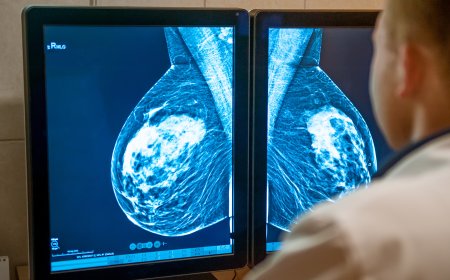
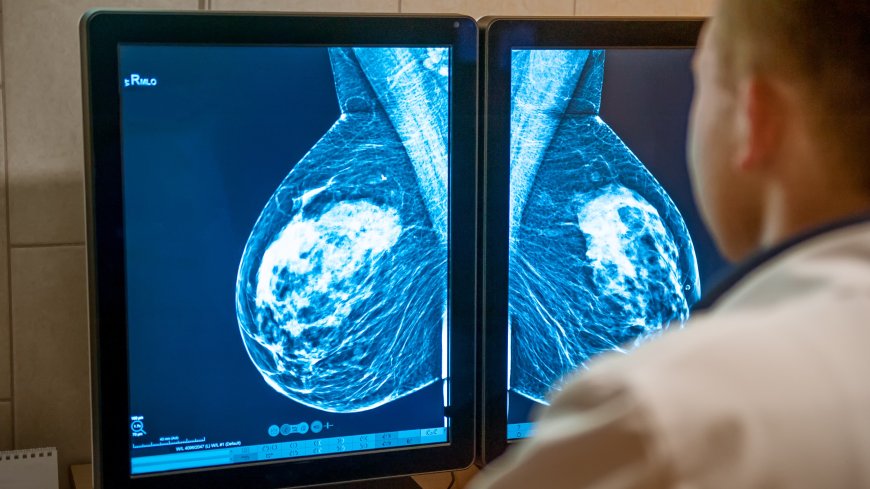
The photo above shows a clinician reviewing mammogram images — the kind of review the trial's AI tool is built to support.
What EDITH is testing
At the heart of the trial is an AI-assisted reading tool that works alongside specialists as they review images from routine mammograms. The aim is to see whether the technology can help experts spot cancers that are too small to see or feel, and whether it can make the review process faster without lowering the standards women expect from NHS screening.
Today, every mammogram in the NHS Breast Screening Programme is checked by two specialists. One of the central questions EDITH will answer is whether AI support could safely allow most images to be reviewed by a single specialist instead. The trial compares standard double reading against two AI-supported approaches: AI used as a first-line triage tool, and AI used alongside one specialist reader.
Health Secretary Yvette Cooper described the study as "the biggest AI breast cancer trial in the world" and pointed to the technology's "huge potential", while pledging "proper safeguards" to ensure it is safe and effective. "If successful, this technology could help women get a breast cancer diagnosis and start treatment much more quickly, giving them the best possible chance of recovery," she said.
A trial, not a change to screening itself
For women attending screening, nothing about the appointment itself changes. The trial only affects how the images collected during a routine mammogram may be reviewed afterwards. Women attending routine screening at the participating sites will be given details about the study and will take part unless they choose to opt out.
Recruitment has started in Cambridgeshire, with more of the 30 selected screening sites across England due to open in the coming months. The government first announced the programme in February 2025, and the trial is also supported by a new AI research screening platform being developed by NHS England with nearly £6 million in government funding, designed to help hospitals take part in future AI screening studies.
Professor Fiona Gilbert, from the University of Cambridge and Addenbrooke's Hospital, who is jointly leading the research, said: "EDITH will test whether an AI-assisted mammogram-reading tool can help experts review images more efficiently, while maintaining professional oversight and the standards women expect from NHS breast screening."
Why earlier detection matters
Breast cancer is the most common cancer in women, with around 55,000 women diagnosed every year in the UK. Women aged 50 to 71 are invited for NHS breast screening every three years, amounting to around 2.1 million screenings a year — a programme the NHS estimates helps prevent around 1,300 deaths annually.
There is already encouraging evidence behind the idea. A study published in The Lancet in January found that AI can improve breast cancer detection through more effective screening while reducing radiologists' workloads. That study analysed nearly 106,000 mammograms carried out in Sweden's national screening programme between April 2021 and early December 2022.
If EDITH shows the same promise at NHS scale, the payoff could be significant: cancers caught sooner, when treatment is most effective, and specialist time freed up for diagnosis and patient care. But the trial's leaders are clear that this is a test, not a conclusion — the point of enrolling nearly 700,000 women is to find out, rigorously, whether AI-assisted reading is as safe and accurate as the double-reading system it may one day support.
Sources
- Channel News Asia — England launches world's largest AI-aided breast cancer screening trial
- Cambridge University Hospitals NHS Foundation Trust — Cambridgeshire women first to join world-leading breast screening trial
- Medical Xpress — England launches world's largest AI-aided breast cancer screening trial
- Pharmaphorum — UK launches world's largest trial of AI in breast cancer
- Digital Health — First women join AI-assisted NHS breast screening trial
What's Your Reaction?
 Like
0
 Dislike
0
 Love
0
 Funny
0
 Angry
0
 Sad
0
 Wow
0