




























































Goolsbee Warns the AI Boom Risks Overheating the US Economy, Putting the Fed on Alert
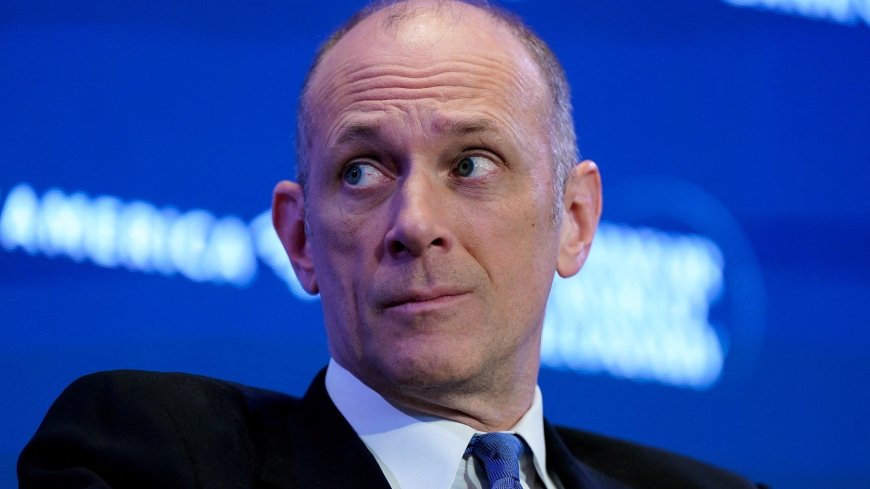
Chicago Fed President Austan Goolsbee warned on November 19 that the artificial intelligence investment boom could strain the US economy's capacity and push inflation higher, saying the Federal Reserve must keep policy tight enough to stop the economy from overheating.

Goolsbee Warns the AI Boom Risks Overheating the US Economy, Putting the Fed on Alert
The artificial intelligence boom is putting real strain on the US economy, and the Federal Reserve will have to act to keep it from overheating. That was the warning from Chicago Fed President Austan Goolsbee on Thursday, November 19, delivered on the same day AI firm Anthropic set a record with its stock market debut.
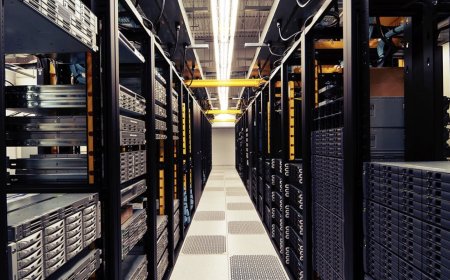
Speaking on a conference call with reporters, Goolsbee said the flood of investment pouring into AI was testing the limits of what the economy can absorb. "The AI boom is contributing to the potential of overheating in the economy. I find it hard to look at that any other way," he said. "When you're getting major business investment, almost unprecedented levels of business investment, there's a high danger that the economy's capacity cannot handle that kind of a pig through the python."
It is not the first time Goolsbee has raised the alarm. Earlier in November he described the data-centre buildout as starting to look like "old-fashioned demand overheating". His latest remarks sharpened the point, tying the investment surge directly to inflation that is already running well above the Fed's target.
A warning on the day of Anthropic's record debut
Goolsbee sees the multitrillion-dollar pipeline of data-centre projects already adding to what he called "borderline, disturbingly high inflation rates" — prices rising well above the Federal Reserve's 2 percent target, and potentially heading higher.
He also pointed to Anthropic's blockbuster listing, which gave the company's early shareholders access to equity holdings worth well in excess of 1 trillion dollars. That sudden wave of wealth, he suggested, could itself move the economy. "A 1.5 trillion dollar IPO. The question of what people are going to do with the money now that they have some access to that liquidity is going to become a macro-relevant statistic," Goolsbee said. "We're watching that."
Read more: Anthropic Shares Close 17% Higher in Nasdaq Debut After Briefly Touching a 2 Trillion Dollar Value
The December rate decision
The US central bank is widely expected to raise interest rates by a quarter of a percentage point at its December 8-9 meeting, and policymakers are now wrestling openly with how the AI boom is shaping the economy. Goolsbee did not say whether he would back a larger half-percentage-point increase at that meeting, an option at least one of his colleagues has advocated, but he added that all options were on the table.
"The Fed's job is to prevent this thing from overheating the economy," Goolsbee said, with monetary policy set tight enough to keep demand and supply in balance.
He was blunt about the direction of prices. "The question of how steep the rate path is going to be and if there will be any rate increases should be determined, in my view, by whether you think inflation is going to be heading back to 2 percent on its own or not," he said. "The evidence does not suggest we're on a path back to 2 percent."
Data-centre backlash and the longer view
The warning lands as the AI buildout faces growing pushback. In the recent US midterm elections, AI scepticism showed up at the ballot box, with voters in municipalities across several states approving measures that could limit how quickly — and where — data centres can be built, potentially slowing the industry's breakneck expansion.
At the same time, the Fed this week held a high-level conference examining what AI could mean for productivity and the labour market if the technology spreads through the economy, a prospect Fed Chairman Kevin Warsh has described as pivotal to US economic leadership.
Goolsbee struck a careful balance. Speaking at an earlier event on Thursday, he said it was not yet clear what effect AI will have on productivity or the economy's underlying potential, noting that it took years — even decades — for earlier general-purpose technologies to change how businesses operated on a broad basis. In the meantime, he said, the Fed has to cope with short-term effects that so far look inflationary.
Why it matters
Goolsbee's message cuts against the more optimistic reading of the AI boom, in which massive investment eventually pays for itself through higher productivity. His argument is about timing: the spending is arriving now, straining supplies of power, land, chips and skilled workers, while the productivity payoff may be years away. If that gap keeps widening, the Fed may have to lean against it with higher interest rates for longer — a prospect that matters to borrowers, businesses and investors well beyond the AI sector itself.
Sources
- Reuters — "Fed's Goolsbee says AI surge could strain US capacity, overheat economy" (November 19, 2026), read via the syndicated copy on Channel News Asia: https://www.channelnewsasia.com/business/ai-surge-could-strain-us-capacity-and-overheat-economy-feds-goolsbee-says-6567271
- Reuters — original report: https://www.reuters.com/business/feds-goolsbee-says-ai-surge-could-strain-us-capacity-overheat-economy-2026-11-19/
What's Your Reaction?
 Like
0
 Dislike
0
 Love
0
 Funny
0
 Angry
0
 Sad
0
 Wow
0