




















































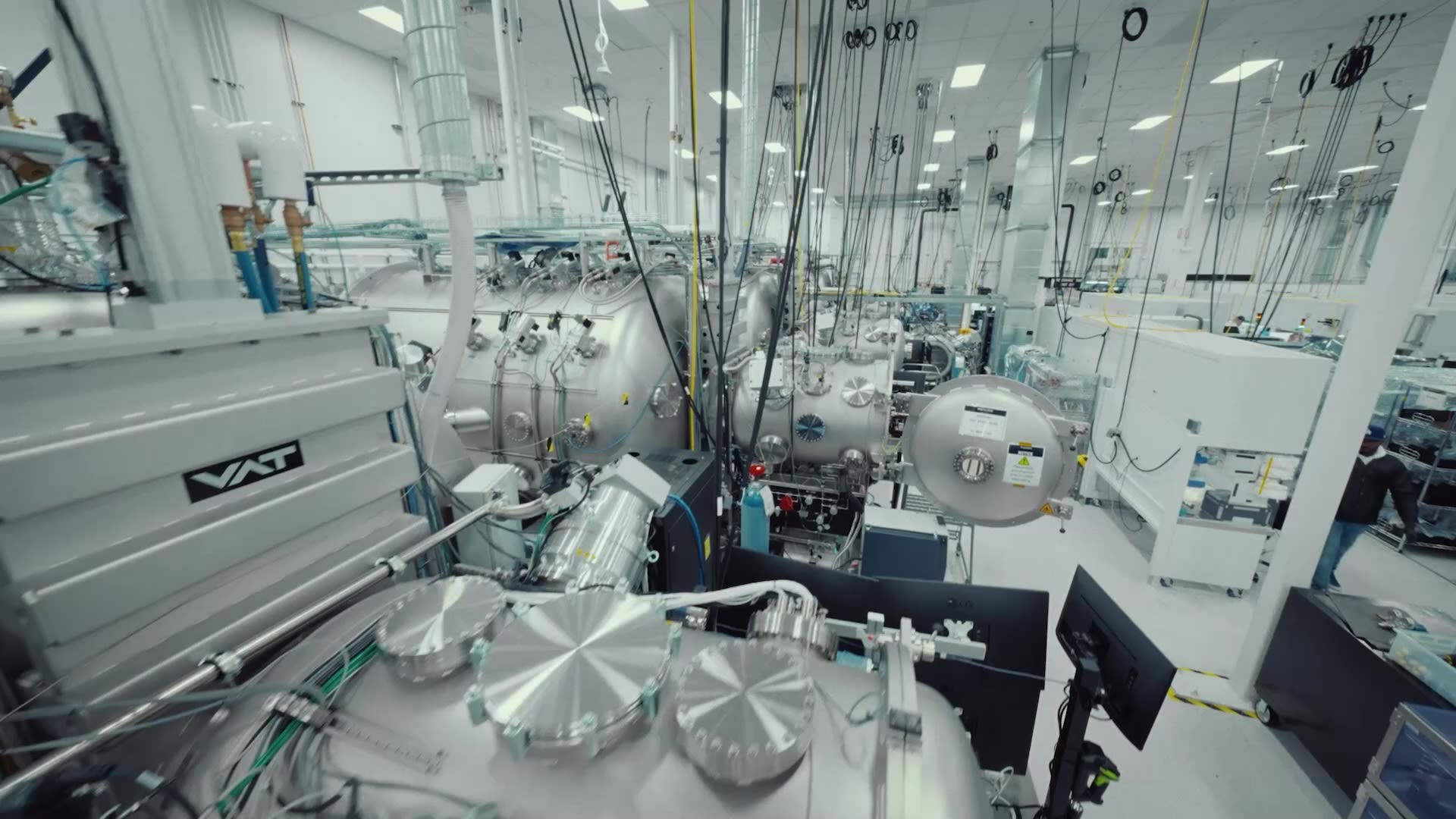



China's CXMT plans limited HBM3E production despite low yields, sources say
China's ChangXin Memory Technologies plans to begin limited production of HBM3E memory for AI chips within two months despite low yields, Reuters reported, citing two sources.

China's CXMT plans limited HBM3E production despite low yields, sources say
China's ChangXin Memory Technologies (CXMT) plans to start limited production of HBM3E memory for artificial-intelligence processors within two months, despite production yields of only 20% to 30%, Reuters reported on Wednesday, citing two people familiar with the matter.
The reported yield is well below the roughly 70% level at South Korea's SK Hynix, according to the sources. CXMT has sent samples to domestic AI-chip designers, they said. The company did not respond to a request for comment, while SK Hynix did not immediately respond to a question about the yield estimate.
Reported plan remains limited
The sources described a limited production plan rather than a completed, fully scaled commercial rollout. Reuters said The Information first reported CXMT's plans and that its reporting added details on the expected timing and yields. The reported production target should therefore not be read as confirmation that CXMT has achieved volume manufacturing of HBM3E.
High-bandwidth memory, or HBM, vertically stacks memory chips and is used alongside processors in AI systems. The sources said CXMT's performance was closer to Hynix's HBM3 than to its HBM3E, with standard and revised versions of its memory sent to clients for evaluation.
China seeks a larger role in AI memory
CXMT's reported move comes as memory suppliers race to expand capacity for AI accelerators. Counterpoint data cited by Reuters put second-quarter HBM revenue shares at about 50% for SK Hynix, 33% for Samsung Electronics and 18% for Micron Technology. The rounded figures cover the main established suppliers; CXMT's overall DRAM share was about 10%, according to the same Reuters report.
The planned effort would give Chinese AI-chip designers another potential domestic source of high-bandwidth memory, but the reported low yields highlight the technical gap that CXMT still faces. Whether the samples progress into dependable, higher-volume supply remains unconfirmed.
Sources
What's Your Reaction?
 Like
0
 Dislike
0
 Love
0
 Funny
0
 Angry
0
 Sad
0
 Wow
0