

























































North Korean Websites Hit by Likely DDoS Attack, Kentik Analysis Finds
Kentik said traffic patterns were consistent with a distributed denial-of-service attack during intermittent outages affecting more than 40 North Korean .kp websites. The monitoring data does not identify the perpetrators, and the outage was separate from the later global PHP vulnerability incident.

North Korean Websites Hit by Likely DDoS Attack, Kentik Analysis Finds
Intermittent internet outages affecting North Korea's state-managed websites were likely caused by a distributed denial-of-service attack, according to analysis by US network-monitoring company Kentik. The evidence points to an attack pattern, but it does not identify who was responsible.
What the network data shows
Kentik Director of Internet Analysis Doug Madory told Reuters that several waves of traffic began around 11 a.m. local time on Tuesday and arrived from locations including Vietnam and the Philippines. The traffic coincided with outages across a 32-hour period. Madory said the timing and source pattern were consistent with a DDoS attack, in which a target is overwhelmed by traffic.
Kentik analyzed only a portion of traffic directed at North Korea. That limitation means the data cannot establish the full scale of the incident or attribution. South Korean media reported that more than 40 official .kp websites were affected, including sites for the foreign ministry and state news agency KCNA.
Not the PHP incident
The outages appeared unrelated to the later global disruption caused by disclosure of critical PHP vulnerabilities. South Korean media also cited experts who said North Korea's unstable power supply could have caused the interruption. Those competing possibilities explain why the report is described as “likely” rather than confirmed.
A network with a history of outages
North Korea's tightly controlled internet has experienced major interruptions before. In 2014, the country suffered an hours-long outage after tensions surrounding the Sony Pictures comedy about a fictional assassination of leader Kim Jong Un. The historical comparison provides context, not proof that the same actor or method was involved this time.
For now, Kentik's observation supports a DDoS assessment while leaving the perpetrators and ultimate cause unresolved.
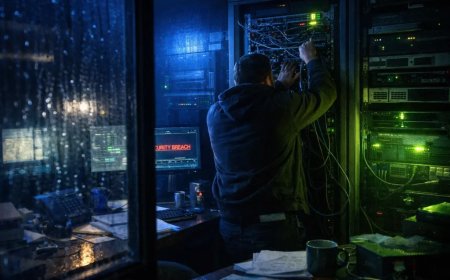
Illustrative file photo of software code on a monitor; it does not depict an attack or a system involved in this report. Photo: Markus Spiske / Unsplash. Unsplash License; cropped to 16:9. Image source; license.
Sources
What's Your Reaction?
 Like
0
 Dislike
0
 Love
0
 Funny
0
 Angry
0
 Sad
0
 Wow
0