
















































Short Sellers Gain $6 Billion as AI Neocloud Stocks Slide on Debt Fears
Investors betting against US AI data-center companies have made about $6 billion in October paper profits as concerns grow over debt-funded expansion.
Short Sellers Gain $6 Billion as AI Neocloud Stocks Slide on Debt Fears
Investors betting against US neocloud and data-center companies have accumulated about $6 billion in paper profits this month, according to data analytics firm ORTEX. The gains followed a selloff driven by concern that debt-funded artificial-intelligence infrastructure expansion may not be sustainable.
Short interest remains elevated
Short interest in CoreWeave, IREN, Nebius Group, Applied Digital and Core Scientific ranged from roughly 20% to 26% of free float, ORTEX data cited by Reuters showed. About $17 billion of stock across the five companies was sold short, while borrowing costs remained relatively low.
CoreWeave’s short interest stood at 23.7% of free float, up from 19.6% at the start of October. Its shares had fallen almost 30%, producing close to $1.7 billion in paper profits for short sellers during the month.
Nebius drives the largest reported gain
Nebius short sellers had made about $2.94 billion in October even though they were carrying a paper loss of $3.33 billion for the year to date. The figures show how quickly a trade can change as market expectations shift, particularly in companies whose valuations depend on rapid AI-related growth.
Core Scientific’s short interest was 23.1% of free float, with October paper profits of about $115 million. In early trading on October 22, CoreWeave and Nebius fell more than 4%, IREN dropped 6.1%, Applied Digital declined 3.7% and Core Scientific slipped 2.4%.
Paper profits are not realized returns
ORTEX’s figures describe mark-to-market gains, not cash profits locked in by every short seller. Positions can lose value if prices recover, and short sellers must eventually buy shares to close trades. The broader warning from the selloff is about financing and demand: investors are questioning whether AI data-center revenue can justify the capital required to build capacity.
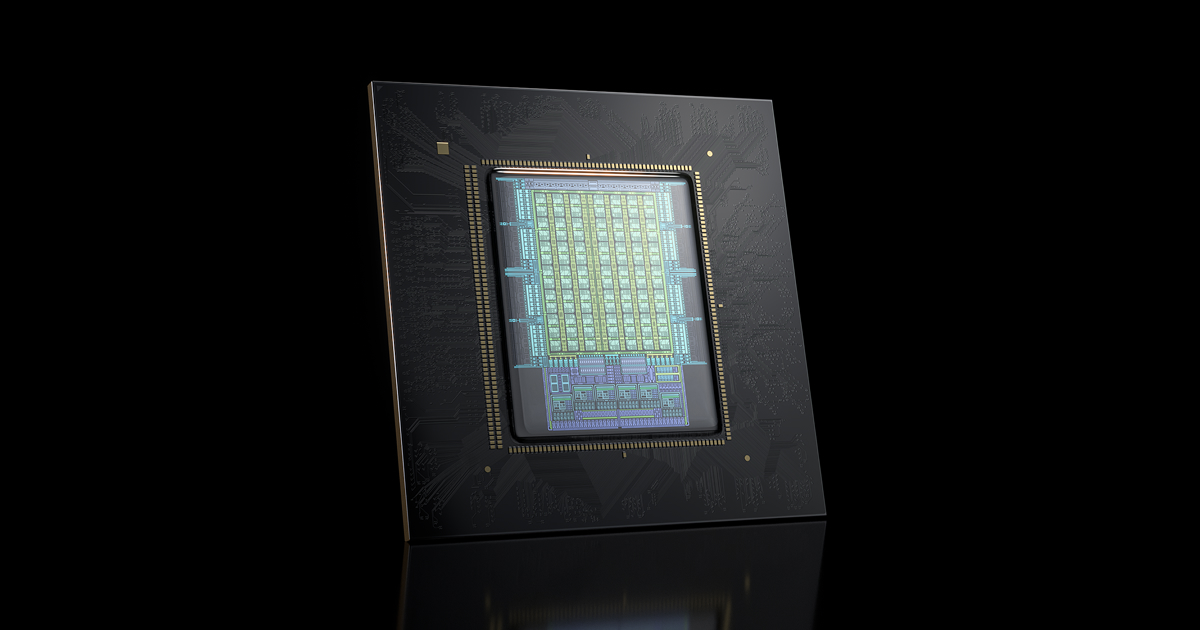
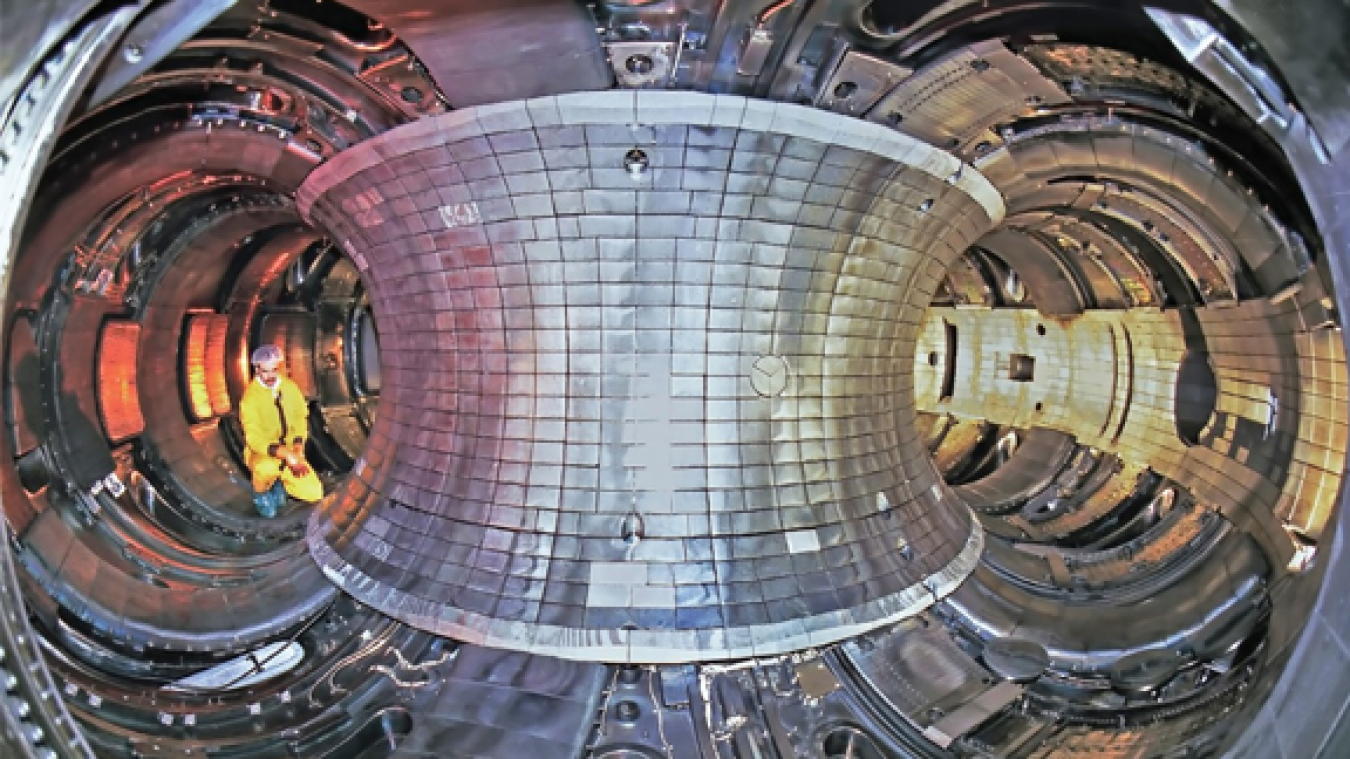
Illustrative file photo of network equipment at the University of Washington in Seattle; not a facility involved in this report. Photo: Taylor Vick / Unsplash. Unsplash License; cropped to 16:9. Image source; license.
Sources
What's Your Reaction?
 Like
0
 Dislike
0
 Love
0
 Funny
0
 Angry
0
 Sad
0
 Wow
0